


Guides & advice
Plain-English help with garden ornaments - written for UK gardens and British weather, updated as we learn more.
What this library is: every guide we have written about choosing, placing and looking after a garden ornament, sorted into 8 shelves. Start with a pillar guide if you are new, or jump straight to the shelf that matches your question. Everything is written by people who actually have these things in their own gardens, and updated when we learn better.
Browse by topic
Eight shelves. Pick the one that matches your question.
- Buyer's GuidesWhat to look for before you spend anything: quality, materials and the things that actually last.4 guides
- Animals & WildlifeHares, robins, owls, hedgehogs and the rest - which ones suit a real British garden.2 guides
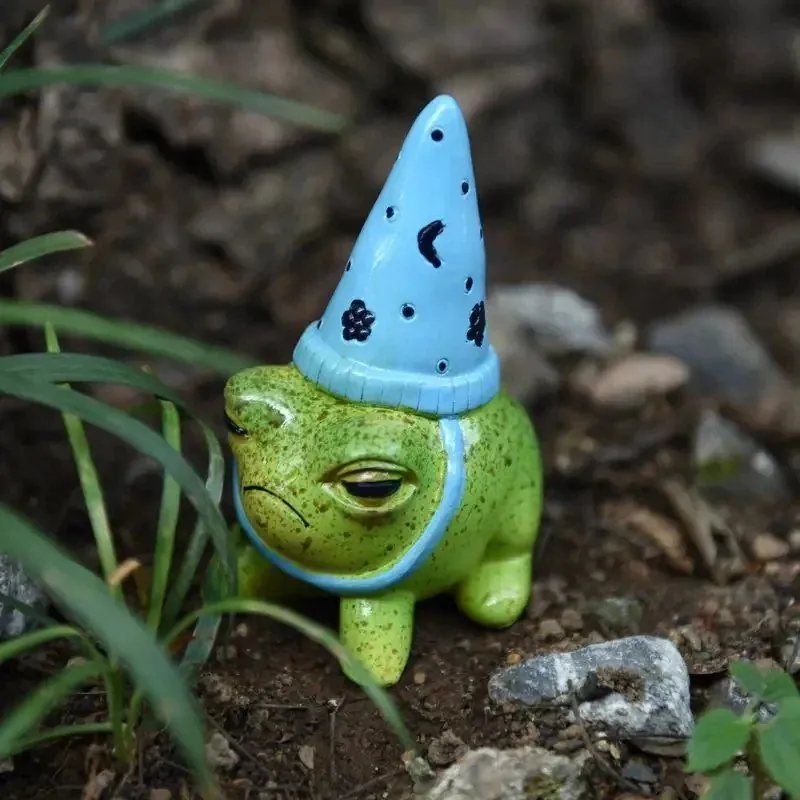
- Gnomes & CharacterGnomes, fairies, toadstools and the deliberately daft. Joy is a legitimate reason to buy something.2 guides
- By MaterialStone, resin, metal and wood, and how each of them actually behaves after a few British winters.4 guides
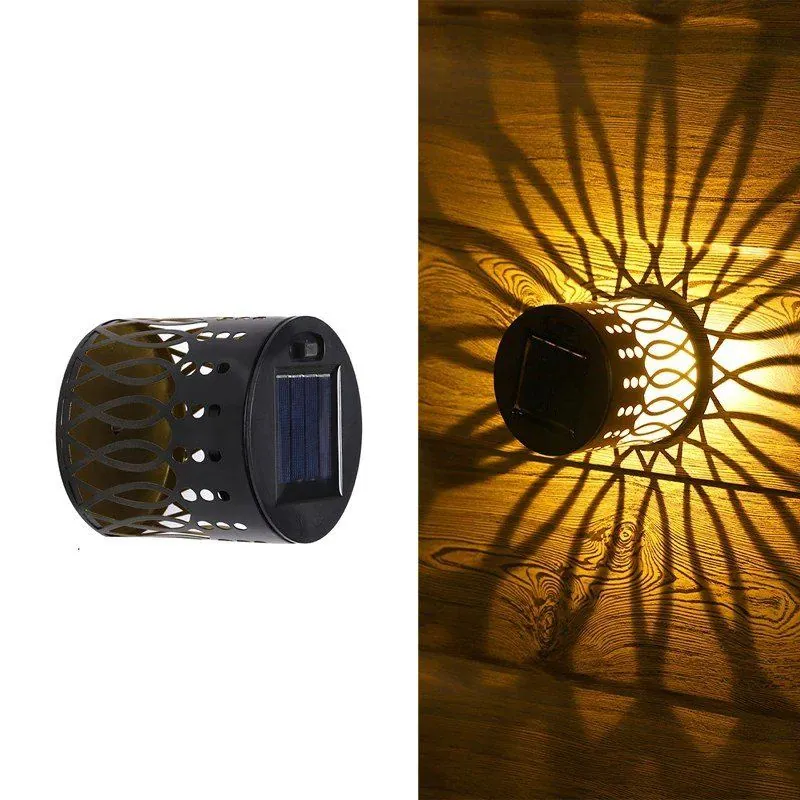
- Solar & LightingSolar ornaments and garden lighting: what the specifications mean and what they do in a UK December.1 guide
- Styling & PlacementWhere to put things, how many is too many, and why placement matters more than the ornament.4 guides
- Memorial & MeaningfulMemorial ornaments, chosen gently. What lasts, what weathers, and what to think about first.1 guide
- Care & FAQsCleaning, winter, repairs and security - keeping an ornament looking like you meant it.2 guides
Start here
Long-form, no-nonsense guides that cover the whole topic.
Fairies, Gnomes and Characters: A Playful Garden Guide
Garden fairies ornaments, gnomes and character figures are decorative resin or metal pieces that add whimsy and personality to a garden. Pick…
Read the guide → Animals & WildlifeGarden Animal Ornaments: The Full Guide
Garden animal ornaments are decorative resin, stone-effect or metal figures shaped like creatures, from robins and hedgehogs to a rather smug…
Read the guide → By MaterialGarden Ornaments by Material: Stone, Metal, Resin and Wood
Choose garden ornaments by how the material handles a British winter. Cast stone and stone-effect resin cope with frost and shrug off drizzle,…
Read the guide → Buyer's GuidesThe Complete Guide to Garden Ornaments UK
Garden ornaments in the UK cover statues, animal figures, solar lights, wall art and water features. Choose pieces that suit your garden's mood…
Read the guide → Care & FAQsHow to Care for Garden Ornaments: Complete Care Guide
To care for garden ornaments, clean them gently once or twice a year, keep them off wet ground, and protect the vulnerable ones before frost.…
Read the guide → Styling & PlacementHow to Style Garden Ornaments: A Placement Guide
Style garden ornaments by treating each one as a focal point rather than a filler. Place a single strong piece where the eye already travels,…
Read the guide → Memorial & MeaningfulMemorial Garden Ornaments: A Gentle Guide
Memorial garden ornaments are small, lasting tributes such as an engraved stone, a robin figure, a serene statue or a wind chime, placed in a…
Read the guide → Solar & LightingSolar Garden Ornaments: The Complete Guide
Solar garden ornaments charge a small battery from a daylight panel and glow automatically at dusk, with no wiring and no running cost. They…
Read the guide →Latest
The 12 newest pieces across every shelf.
Mushroom & Toadstool Ornaments
Toadstools read best in odd-numbered clusters of different heights, half tucked into planting rather than lined up on show. One on its own looks place…
Read the guide → Care & FAQsHow to Repair a Cracked or Broken Garden Ornament
Dry both faces completely, dry-fit the pieces, then bond with two-part epoxy for stone, concrete and ceramic, or a flexible polyurethane adhesive for…
Read the guide → Animals & WildlifeHighland Cow Garden Ornaments: The UK Favourite
Highland cows work because the shape is instantly readable at a distance, even in silhouette - the horns and the fringe do the job no other farm anima…
Read the guide → By MaterialResin Garden Ornaments: Light, Tough & Affordable
Resin is light, frost-tolerant and holds fine detail better than cast stone, which is why most detailed ornaments are made from it. Its weakness is UV…
Read the guide → Styling & PlacementCreating a Focal Point with One Statement Piece
Find where your eye already stops when you look out from the house, then put the piece there. A focal point holds attention through contrast, so give…
Read the guide → Buyer's GuidesSmall-Garden Ornaments: Big Impact, Little Space
A small ornament works when it is lifted to eye level, set against something plain, and placed where people already pause. Groups of three at differen…
Read the guide → Care & FAQsHow to Clean Stone Garden Ornaments
Brush it dry first, then wash with plain water and a stiff brush, working bottom to top. Keep pressure washers, wire brushes and bleach away from it…
Read the guide → Solar & LightingHow Solar Ornaments Work (& Do They Work in UK Winters?)
They work, but for a shorter time each night. Winter cuts both daylight hours and sun angle, so the panel banks less charge and the light runs down so…
Read the guide → Memorial & MeaningfulCreating a Memorial Garden Corner
Choose somewhere you already go rather than somewhere out of the way, give it a seat if there is room, and keep it to one piece that means something…
Read the guide → Gnomes & CharacterHow to Build a Fairy Garden
Pick one container, choose a single scale and stick to it, then build a path leading somewhere. Scale is what makes it convincing: a door, a bench and…
Read the guide → Animals & WildlifeRobin Ornaments & Their Meaning in the Garden
Robins are the most gifted garden ornament in Britain because of the widespread saying that robins appear when loved ones are near. Place one at eye l…
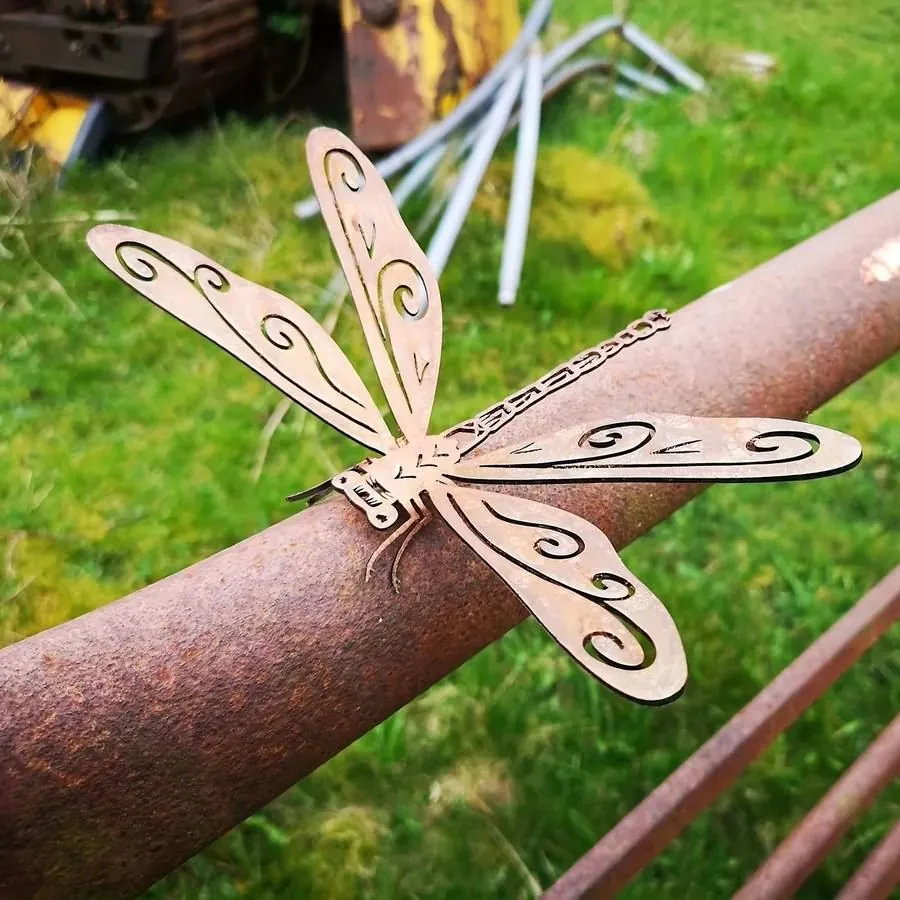
Read the guide → By MaterialRusty (Corten) Metal Ornaments: The Rustic Look
Weathering steel forms a tight rust layer that then protects the metal underneath, so the finish is the point rather than a fault. It runs orange for…
Read the guide →Buyer's Guides
What to look for before you spend anything: quality, materials and the things that actually last.
Small-Garden Ornaments: Big Impact, Little Space
A small ornament works when it is lifted to eye level, set against something plain, and placed where people already pause. Groups of three at differen…
Read the guide → Buyer's GuidesLarge Garden Ornaments & Statement Statues
A large ornament needs viewing distance, a plain backdrop and something solid underneath. Work out where you will see it from before you choose it, al…
Read the guide → Buyer's GuidesBest Garden Ornaments for Sale UK 2026
The best garden ornaments for sale in the UK for 2026 lean towards characterful statues, warm animal figures and solar-lit pieces. Buy one…
Read the guide → Buyer's GuidesUnusual and Unique Garden Ornaments to Stand Out
Unusual garden ornaments in the UK are the pieces that break from the usual urns and cherubs, such as wizard figures, quirky aliens and…
Read the guide →Animals & Wildlife
Hares, robins, owls, hedgehogs and the rest - which ones suit a real British garden.
Highland Cow Garden Ornaments: The UK Favourite
Highland cows work because the shape is instantly readable at a distance, even in silhouette - the horns and the fringe do the job no other farm anima…
Read the guide → Animals & WildlifeRobin Ornaments & Their Meaning in the Garden
Robins are the most gifted garden ornament in Britain because of the widespread saying that robins appear when loved ones are near. Place one at eye l…
Read the guide →Gnomes & Character
Gnomes, fairies, toadstools and the deliberately daft. Joy is a legitimate reason to buy something.
Mushroom & Toadstool Ornaments
Toadstools read best in odd-numbered clusters of different heights, half tucked into planting rather than lined up on show. One on its own looks place…
Read the guide → Gnomes & CharacterHow to Build a Fairy Garden
Pick one container, choose a single scale and stick to it, then build a path leading somewhere. Scale is what makes it convincing: a door, a bench and…
Read the guide →By Material
Stone, resin, metal and wood, and how each of them actually behaves after a few British winters.
Resin Garden Ornaments: Light, Tough & Affordable
Resin is light, frost-tolerant and holds fine detail better than cast stone, which is why most detailed ornaments are made from it. Its weakness is UV…
Read the guide → By MaterialRusty (Corten) Metal Ornaments: The Rustic Look
Weathering steel forms a tight rust layer that then protects the metal underneath, so the finish is the point rather than a fault. It runs orange for…
Read the guide → By MaterialMetal Garden Ornaments UK: Steel, Iron and Bronze
Metal garden ornaments in the UK come mostly in steel, iron and bronze-look finishes. Steel is the everyday workhorse, powder-coated or left to…
Read the guide → By MaterialSandstone Garden Ornaments Explained
Sandstone garden ornaments are made from natural or cast sandstone, a soft, warm-toned stone that carves beautifully and ages into a lovely…
Read the guide →Solar & Lighting
Solar ornaments and garden lighting: what the specifications mean and what they do in a UK December.
Styling & Placement
Where to put things, how many is too many, and why placement matters more than the ornament.
Creating a Focal Point with One Statement Piece
Find where your eye already stops when you look out from the house, then put the piece there. A focal point holds attention through contrast, so give…
Read the guide → Styling & PlacementWhere to Place a Statue in a Small Garden
Put it where the eye already travels: at the end of the longest diagonal, in a corner you cannot use, against a plain wall, or somewhere it appears on…
Read the guide → Styling & PlacementDecorative Hanging Garden Ornaments for Fences, Trees and Pergolas
Decorative hanging garden ornaments are pieces designed to be suspended from a fence, branch, bracket or pergola, such as wind chimes, hanging…
Read the guide → Styling & PlacementStyling Wall and Hanging Garden Ornaments
Wall ornaments for the garden turn bare fences and walls into features without stealing floor space. Hang a single strong piece at eye level as…
Read the guide →Memorial & Meaningful
Memorial ornaments, chosen gently. What lasts, what weathers, and what to think about first.
Care & FAQs
Cleaning, winter, repairs and security - keeping an ornament looking like you meant it.
How to Repair a Cracked or Broken Garden Ornament
Dry both faces completely, dry-fit the pieces, then bond with two-part epoxy for stone, concrete and ceramic, or a flexible polyurethane adhesive for…
Read the guide → Care & FAQsHow to Clean Stone Garden Ornaments
Brush it dry first, then wash with plain water and a stiff brush, working bottom to top. Keep pressure washers, wire brushes and bleach away from it…
Read the guide →Straight answers
Common questions
What is the best material for a garden ornament in the UK?
Stone-effect resin is the best all-rounder: frost-proof, light enough to move and it holds fine detail. Cast stone lasts longest and weathers most gracefully. Powder-coated and rusted metal suit modern and wall pieces. Treated timber is the warmest look but wants the driest spot you have.
Do solar garden ornaments actually work in a British winter?
Yes, but expect less of them. Solar panels charge from daylight rather than direct sun, so they still top up on an overcast day. In midwinter you get a shorter glow; from spring onwards you get several hours a night. Give them the most open sky you can.
How do I stop a garden ornament going green?
Algae is almost always the cause. Rinse once or twice a year with warm water and a soft brush, keep pressure washers away from resin and painted finishes, and stand the piece somewhere it can dry out rather than on permanently wet ground.
Where should I put a statue in a small garden?
Put it where it is discovered rather than where it is announced: at the end of a path, in a corner you see from the kitchen window, or against a plain fence panel. One well-placed piece reads as deliberate; several scattered ones read as clutter.
Which guide should I read first?
Start with the pillar guide for your question - the complete guide to garden ornaments if you are new, the material guide if you are choosing between stone, metal and resin, or the placement guide if you already have the piece and not the spot.