

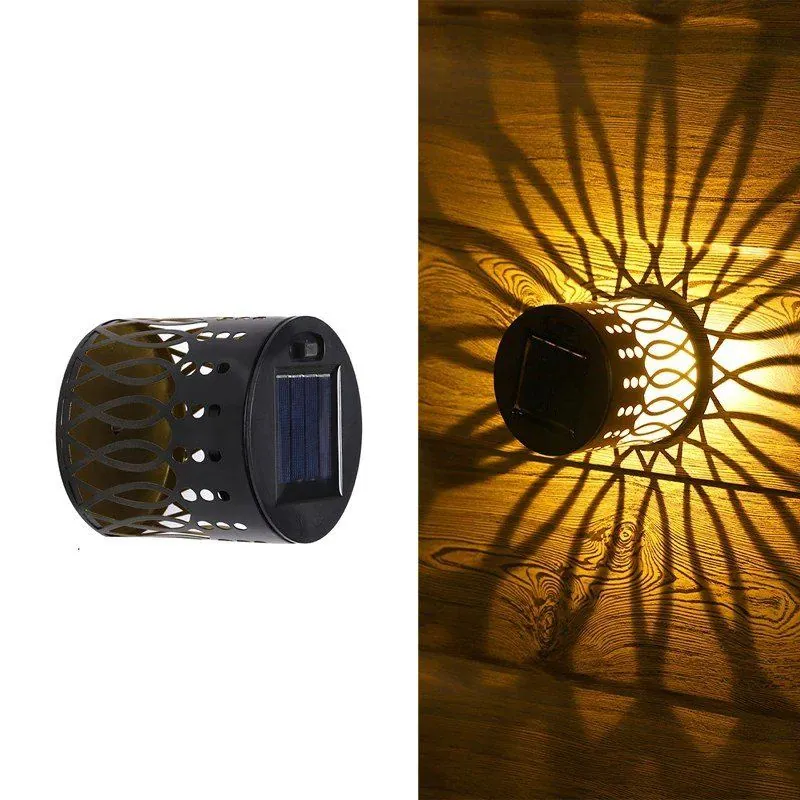
Quick answer: Style garden ornaments by treating each one as a focal point rather than a filler. Place a single strong piece where the eye already travels, give it a plain backdrop, layer heights from front to back, and let planting frame it. Ornaments for the garden work best in twos and threes, never scattered evenly across the whole plot.
The placement rules, in short
- One focal point first - add a second piece only once the first has earned its spot.
- Match the piece to the zone - quiet corners take calm pieces, paths and borders take characters.
- Layer by height - tallest at the back, smallest where you will actually walk past it.
- Give every piece a backdrop - a plain fence panel, a hedge or a wall. Detail disappears against clutter.
- Odd numbers group better than even ones, and the gaps matter as much as the pieces.
- Follow the light - site it where morning or evening sun rakes across it.
The fastest way to make a garden look expensive costs nothing. You simply move the ornament you already own. I have watched a tired concrete hare go from forgettable to the best thing in the garden by shifting it two metres, out of the flowerbed muddle and onto the turn of the path where the light caught it. Styling ornaments for the garden is not about buying more. It is about placing what you have as though you meant it.
This is the method I used on Cotswold gardens for twenty years, stripped to what actually matters. Where to put a piece, how to frame it, and when to stop.
Start with one focal point, not a collection
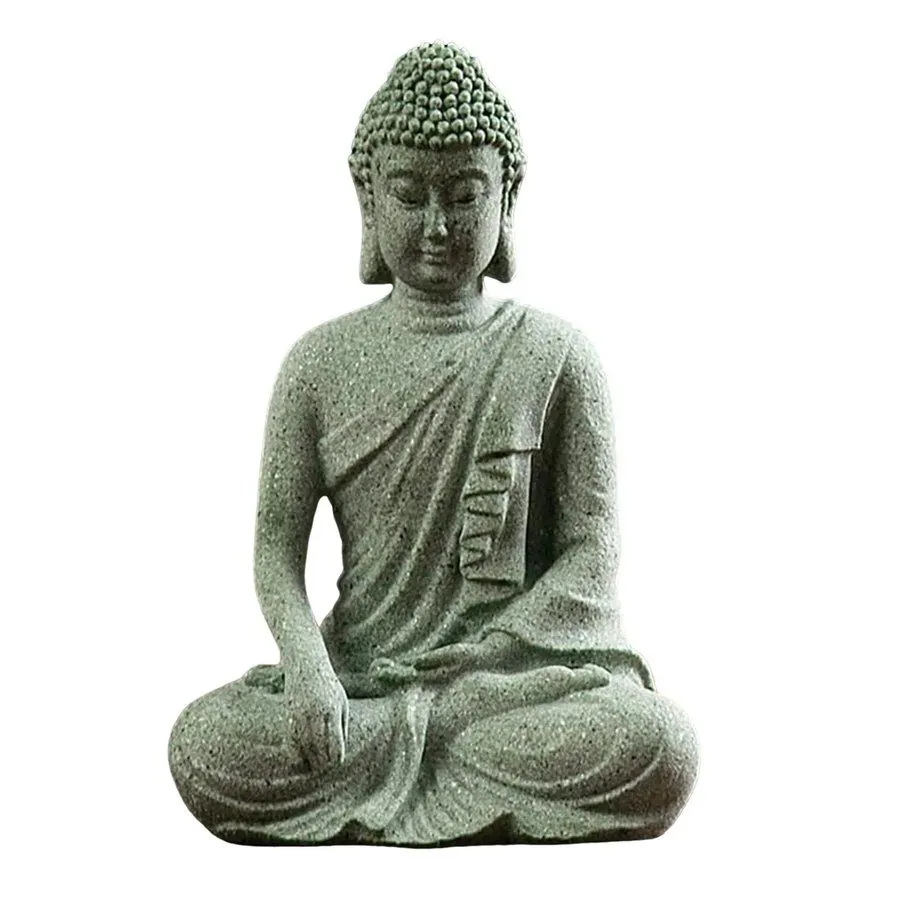
A garden needs a place for the eye to land. That is the whole job of a focal point, and one good ornament does it beautifully. A figure at the end of a path, a sphere at the centre of a lawn, a statue framed by an arch. The statues and sculptures collection is full of pieces built to hold that role.
The mistake I see most often is democracy. People give every corner an ornament, spread evenly, and the effect is a jumble where nothing wins. Pick your one hero. Everything else supports it.
Match the ornament to the garden zone
Different parts of a garden ask for different things. Here is how I think it through.
| Garden zone | Ornament choice | Effect it creates |
|---|---|---|
| End of a path or sightline | Tall statue or sculpture | Draws you down, adds depth |
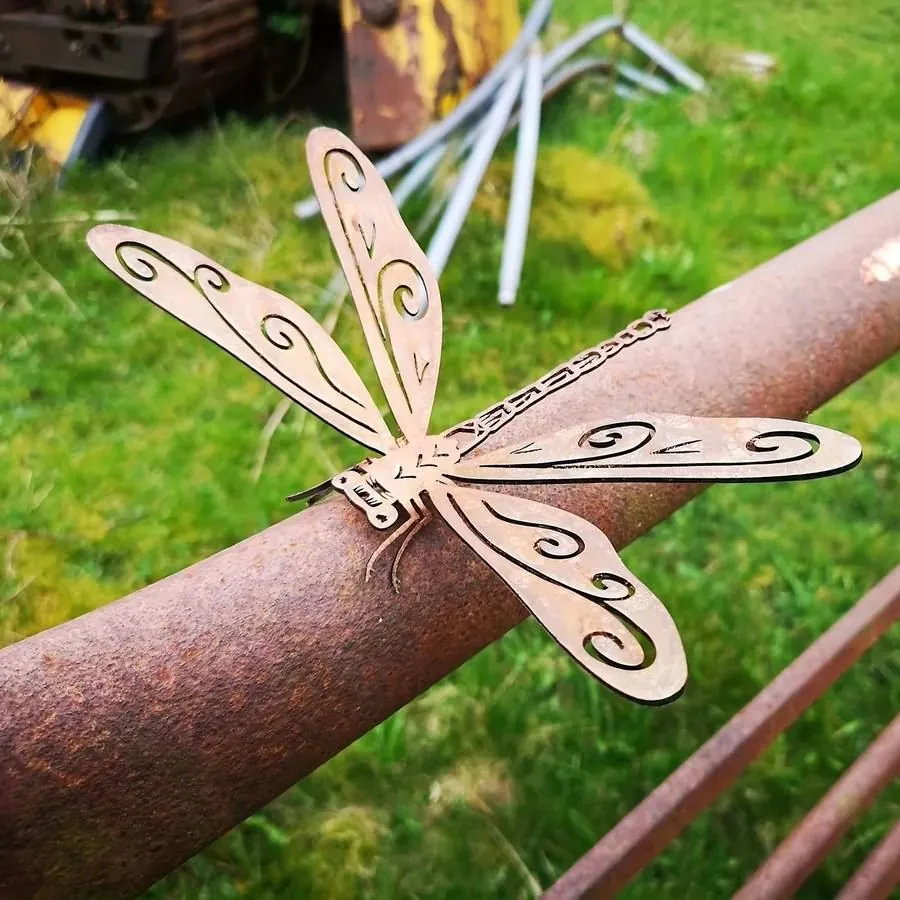
| Fence or bare wall | Wall and hanging piece | Fills vertical space, softens brick |
| Centre of a lawn or gravel | Sphere or garden ball | Calm, sculptural anchor |
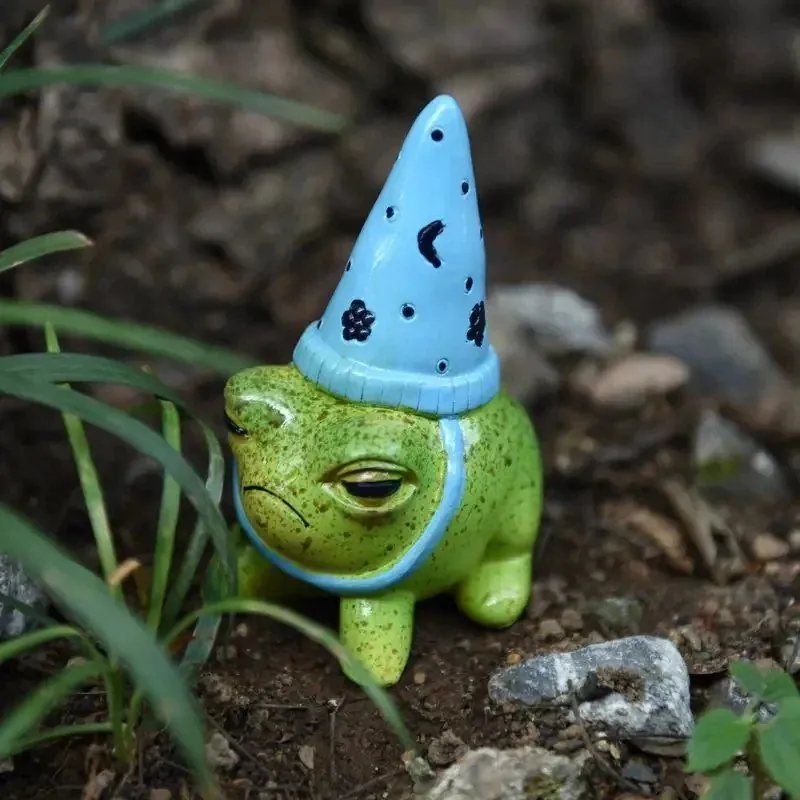
| Among low planting | Animal figure at ground level | A found surprise, warmth |
| Patio or seating area | Modern and contemporary form | Clean, deliberate, grown-up |
| Shady corner | Solar or lit ornament | Brings a dead spot to life at dusk |
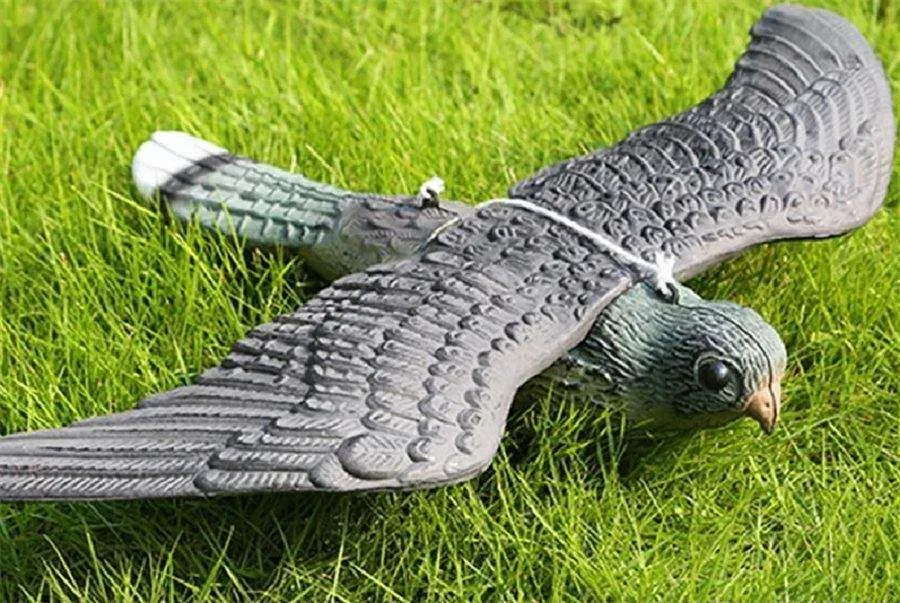
That vertical trick matters more than people expect. A blank fence is wasted canvas, and a well-placed wall and hanging ornament turns it into a feature. A slim rotating owl ornament catching the breeze does the same job with movement.
Layer by height, front to back
A border reads flat if everything sits at one level. Style ornaments the way you plant: low at the front, taller behind, so the eye climbs. Tuck a small animal near the path edge, set a taller figure mid-border, let a sphere rest low in the gravel. The garden gains depth without a single new plant.
The Royal Horticultural Society calls this layering the backbone of good planting design, and its garden design advice applies just as neatly to where the ornaments go.
Give every piece a backdrop
An ornament vanishes against clutter and sings against calm. Dark yew, a pale rendered wall, a swathe of a single grass. The plainer the setting, the louder the piece. If you have nothing plain to hand, plant something quiet behind it, because contrast is what makes a shape legible.
Light is the other half of this. Site a piece where morning or evening sun rakes across it and the texture comes alive. In a shaded spot, let a solar ornament do the lifting instead. Gardeners' World is good on using light and structure together in its garden design ideas, and it is worth a browse before you settle anything.
Odd numbers, honest gaps
Group ornaments in odd numbers, and vary their heights within the cluster. Three is the friendliest number in a garden, one tall, one medium, one low, reading as a family rather than a line-up. Two matched pieces flanking a gate is the one exception, where symmetry is the point.
And leave gaps. A garden needs breath between its moments. An honest empty patch of lawn is not a failure to fill; it is the pause that lets the next piece land. Resist the urge to keep adding.
Bringing it together
Styling ornaments for the garden comes down to intention. One hero piece, given a backdrop and the right light, layered among planting that frames rather than fights it. Do that and a modest collection outshines a crowded one every time.
Once placement clicks, the natural next reads are our complete guide to garden ornaments for choosing pieces, our garden animal ornaments guide for the characterful crowd, and the solar garden ornaments guide for lighting those tricky evening corners.
Frequently Asked Questions
How many ornaments should a garden have? Fewer than you think. Start with one strong focal piece, then add supporting ornaments in odd-numbered groups only where they earn their place. A crowded garden reads as clutter, while a few well-placed pieces feel considered and calm.
Where is the best place to put a garden ornament? Where the eye already travels, such as the end of a path, a break in a border, or against a plain wall or hedge. Give it a quiet backdrop and good light, and it becomes the reason people look up rather than something they walk past.
Should garden ornaments match each other? They do not need to match, but they should share a thread, whether that is material, colour or mood. A rusted metal hare and a rusted metal owl feel like a family; mixing wildly different styles at random usually looks accidental rather than styled.
About the author Eleanor Whitcombe - A garden should tell your story Eleanor trained in landscape design and spent twenty years creating gardens across the Cotswolds before turning to writing. She has always been drawn to the small personal touches clients smuggle in - a grandmother's birdbath, a wonky gnome nobody will bin. She's a firm believer that the ornament, not the lawn, is what makes a garden feel loved. Writing for Great British Garden Ornaments.