


Quick answer: Garden ornaments in the UK cover statues, animal figures, solar lights, wall art and water features. Choose pieces that suit your garden's mood and its weather, place them where the eye naturally settles, and mix materials such as stone-effect resin, powder-coated metal and wood so the garden feels loved rather than merely furnished.
A garden without an ornament is a room without a photograph. It works, it is tidy, and nobody who visits remembers a thing about it. In twenty years of designing gardens across the Cotswolds, I learned that the lawn is never what people fall for. It is the small figure half-hidden by the hostas, the birdbath a grandmother left behind, the one wonky gnome nobody in the family will allow you to bin. Garden ornaments in the UK are how a plot stops being a plot and starts telling your story.
This guide is the whole picture. What the main types are, which materials survive a British winter, how much to spend, and where a piece belongs once you have carried it home. I am Eleanor, and I would rather help you choose one ornament you love than ten you tolerate.
The main types of garden ornaments
Most of what you will browse falls into a handful of families, and knowing them makes the choosing far calmer.
- Statues and sculptures. The anchor of a scheme, from serene figures to bold abstract forms. Our statues and sculptures collection is where I would send a first-time buyer who wants one confident piece.
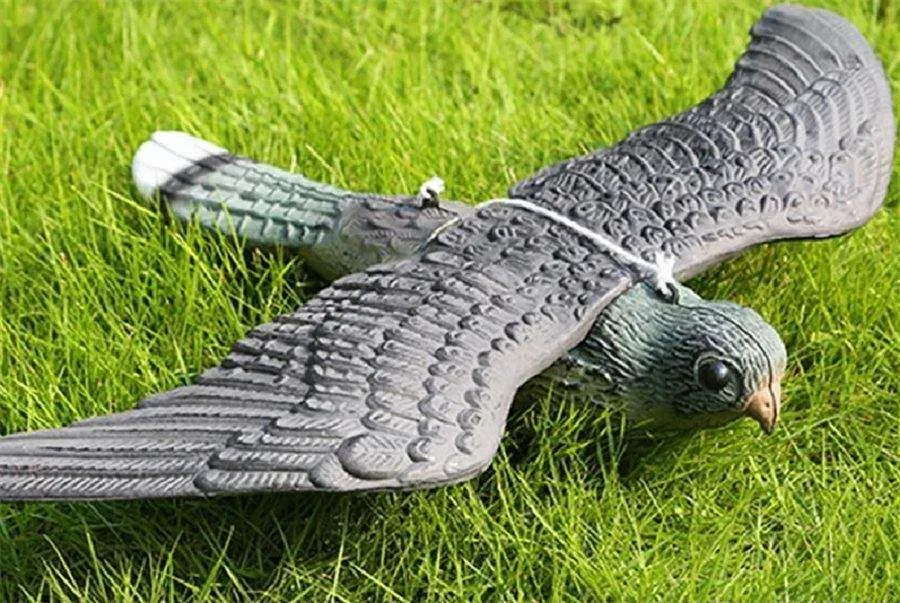
- Animal ornaments. Hares mid-leap, a dozing hedgehog, a highland cow that makes everyone smile. Warm, characterful, endlessly popular in the animal ornaments range.
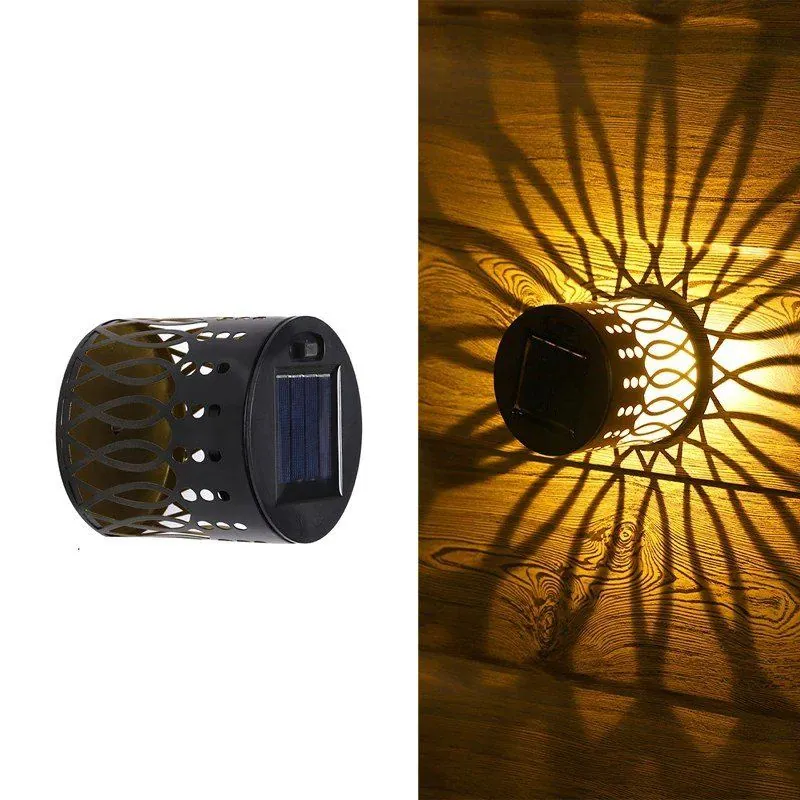
- Solar lights and lit pieces. Ornament by day, quiet glow by dusk. The solar collection earns its place in our long, dark autumns better than almost anything.
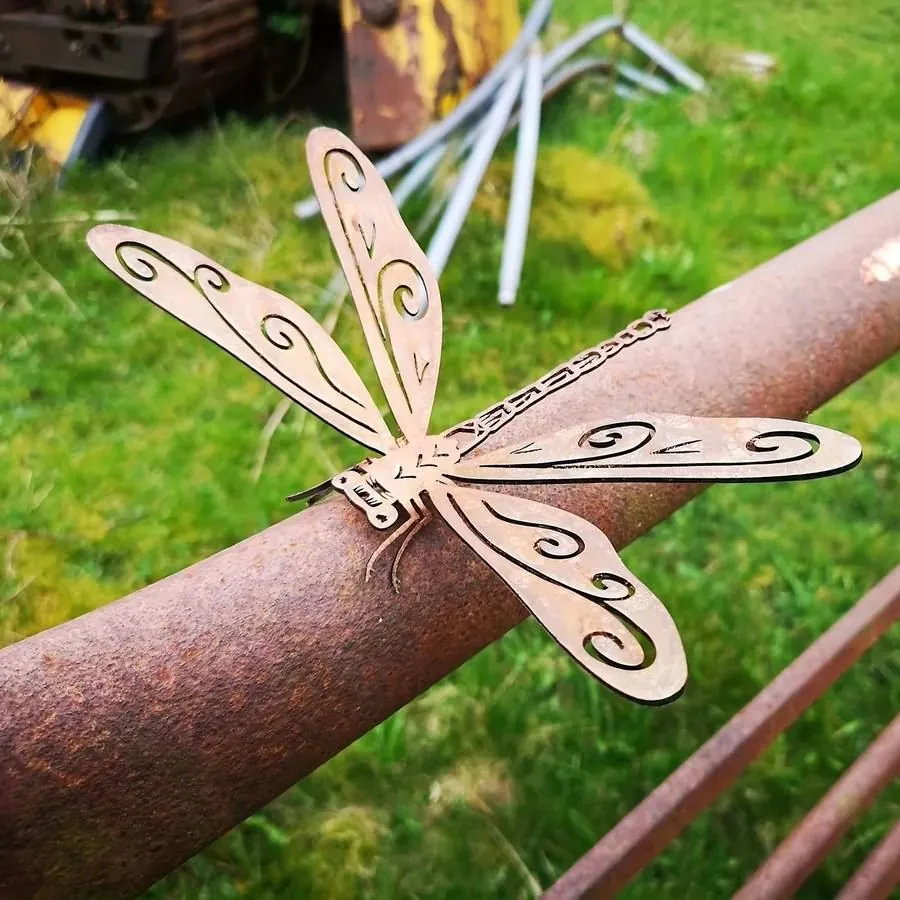
- Wall and hanging art. For balconies, courtyards and any garden short on floor space.
- Water features and spheres. Movement, sound and reflection, the three things a still garden lacks.
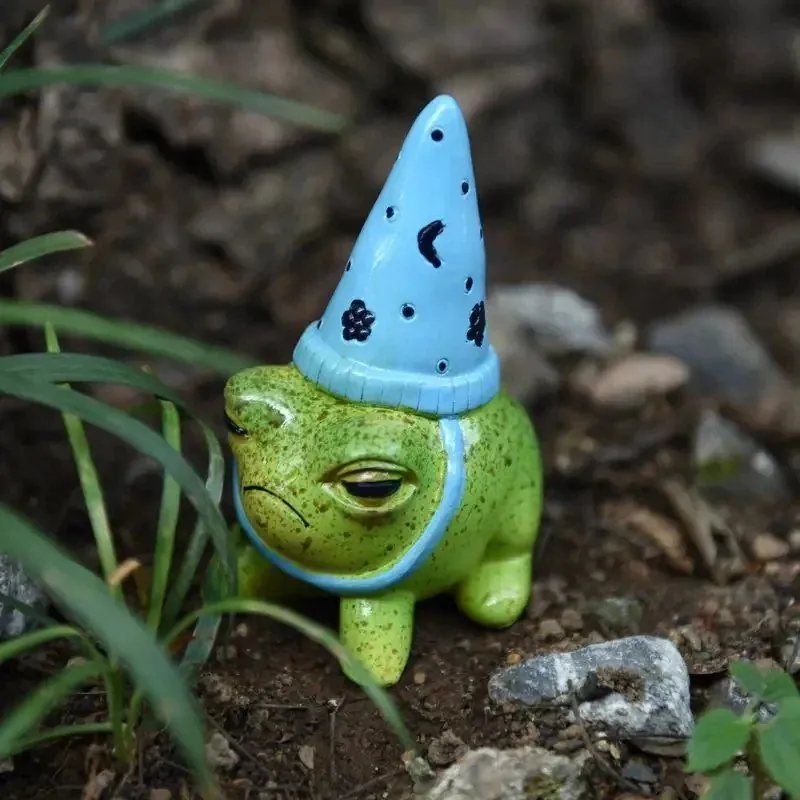
- The unusual and the funny. A tipsy garden gnome leaning on his post is not to everyone's taste, and that is rather the point. Character beats good behaviour.
The Royal Horticultural Society treats ornament as a genuine design tool rather than an afterthought, and its garden design advice is a sensible free read before you spend a penny.
How the main ornament types compare
Here is the honest shape of it, at a glance.
| Ornament type | Best for | Typical material | Price feel |
|---|---|---|---|
| Statue or sculpture | A focal point that anchors a border | Stone-effect resin, cast metal | Mid to premium |
| Animal figure | Warmth and character in planting | Resin, powder-coated metal | Budget to mid |
| Solar light | Evening glow and long dark nights | Stainless steel, ABS, resin | Budget to mid |
| Wall or hanging piece | Small gardens, courtyards, fences | Rusted metal, resin | Budget to mid |
| Water feature | Sound, movement, a living centre | Resin, pumped solar | Mid to premium |
| Novelty or unusual | Personality and a talking point | Resin | Budget |
Materials, and what a British winter does to them
This is where money is quietly won or lost, so let me be plain. Frost, drizzle and the odd proper storm are the real test, not the summer showroom.
Stone-effect resin is the workhorse. It gives you the weight and texture of carved stone at a fraction of the price, and it shrugs off frost that would crack cheaper cast concrete. It is resin, not quarried stone, and any honest seller will tell you so. Powder-coated and rusted metals bring a different mood, all line and silhouette, and the rust on decorative steel is a finish, not a fault. Wood is warmest of all and asks the most back in care. For the full breakdown of which material suits which spot, our companion guide on choosing garden ornaments by material walks through each in turn.
What to spend, and where to put the money
You do not need a large budget to start well. Put it into one piece you genuinely love rather than three you bought to fill a gap. A gap filled with something dull is worse than an honest gap.
A sensible first buy is a single statue or a characterful animal, sited with care, plus perhaps a solar light to carry it into the evening. Add from there once you see how the garden holds it. Gardeners' World makes the same case for restraint over clutter in its garden design ideas, and I have never known that advice to steer anyone wrong.
Where an ornament actually belongs
An ornament in the wrong spot is just an object; in the right one it is the reason you look up. The trick is to place it where the eye already wants to go: the turn of a path, the end of a sightline, the gap between two shrubs that frames it like a doorway. Give it a backdrop that makes it read, whether that is dark yew or a pale wall.
Placement is a craft in itself, and I have given it a guide of its own. For the full method, from focal points to layering by height, read how to style garden ornaments before you commit anything to concrete.
Bringing it together
The best garden ornaments are the ones that suit your space, survive your weather, and mean something to you. Start with one honest piece, place it where the light and the eye both fall, and let the garden tell you what it wants next. The lawn will never move anyone. The wonky gnome, oddly, might.
Frequently Asked Questions
What are the most popular garden ornaments in the UK? Statues, animal figures and solar lights lead the field, with novelty and unusual pieces close behind. Animals and lit ornaments suit our long dark evenings and modest garden sizes especially well, which is why they turn up in so many British gardens.
Are resin garden ornaments any good in British weather? Yes, stone-effect resin handles UK frost and rain better than cheap cast concrete, which is prone to cracking. It is resin rather than natural stone, so it is lighter and more affordable, and a coat of care each spring keeps it looking its best for years.
Where should I place a garden ornament? Put it where the eye naturally travels, such as the end of a path, a break in a border, or against a plain backdrop that lets it stand out. One well-sited piece reads far better than several scattered without thought.
About the author Eleanor Whitcombe - A garden should tell your story Eleanor trained in landscape design and spent twenty years creating gardens across the Cotswolds before turning to writing. She has always been drawn to the small personal touches clients smuggle in - a grandmother's birdbath, a wonky gnome nobody will bin. She's a firm believer that the ornament, not the lawn, is what makes a garden feel loved. Writing for Great British Garden Ornaments.