
Quick answer: Choose garden ornaments by how the material handles a British winter. Cast stone and stone-effect resin cope with frost and shrug off drizzle, powder-coated metal lasts for years if the coating stays sound, and wood looks lovely but rots fastest. Match the material to the spot and the upkeep you can be bothered with.
The materials at a glance
- Cast stone - lasts longest and weathers best. Also the heaviest thing you will ever reposition.
- Stone-effect resin - the all-rounder: frost-proof, light enough to move, and it holds fine detail.
- Powder-coated metal - crisp and modern. The coating is the whole defence, so protect it.
- Rusted metal - the rust is the finish. It settles into a stable crust and stays there.
- Timber - the warmest look and the shortest life. Keep it off wet ground and feed it yearly.
- Glass and ceramic - lovely detail, least frost tolerance. Bring the delicate pieces in.
Forty years working stone in Derbyshire taught me one thing above all: the material decides everything. Not the shape, not the price on the label, the material. I have lifted frost-shattered cherubs out of borders in February and thought, that never needed to happen. When people ask me about garden ornaments, stone is where I start, because it is the yardstick everything else gets measured against. This guide walks through the four materials you will actually meet: stone, metal, resin and wood. What each one is, how it weathers, and where it earns its place.
No sales patter. Just the plain truth about what survives a Buxton winter and what turns to crumbs by spring.
Stone Garden Ornaments: The Long Game
Real stone, whether natural or cast, is the heavyweight in every sense. Cast stone is crushed stone and cement pressed into a mould, and a good one weathers beautifully, greening over with lichen and moss until it looks like it grew there. That patina is the whole point. A new stone urn looks a bit raw; give it three winters and it earns its keep.
The catch is weight and frost. Stone drinks water, and water expands when it freezes, so a porous or badly made piece can spall and crack. Historic England has whole guidance notes on how moisture moves through masonry and why it matters, and the same physics applies to your birdbath Historic England, stone and masonry advice. Buy quality, sit it on a firm base, and stone outlives you. Browse the full range of stone and sandstone ornaments if you want the classic look that ages well.
Metal: Rust as a Feature, Not a Fault
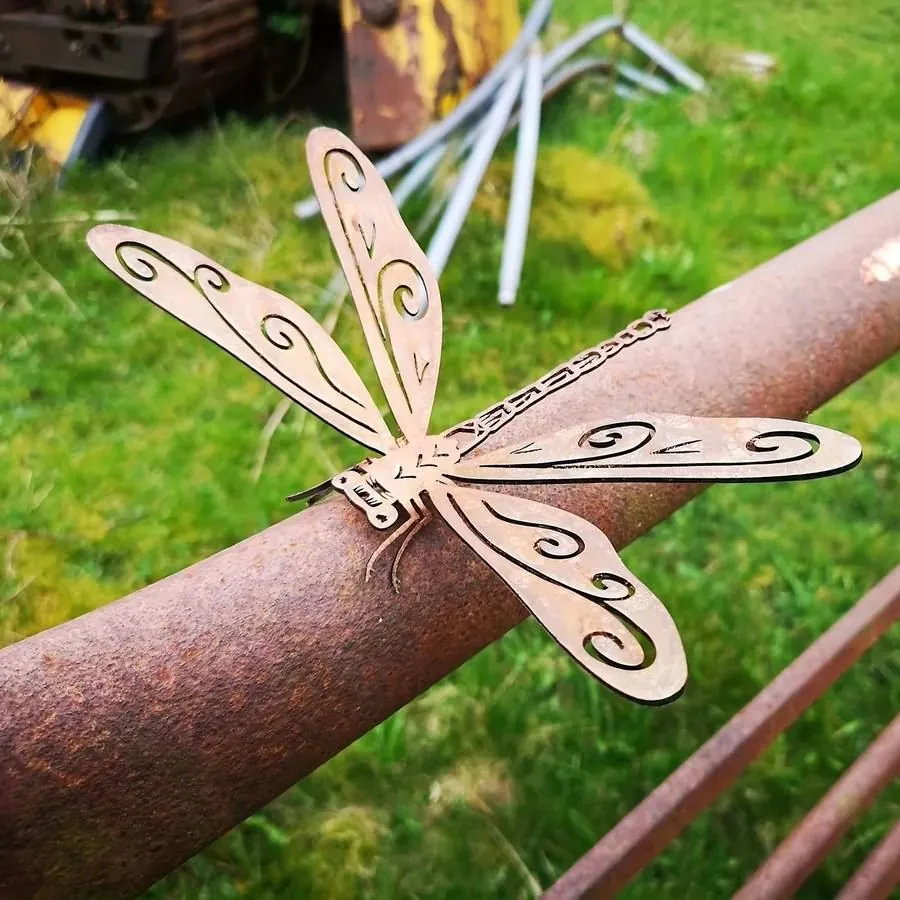
Metal splits into two camps. There is powder-coated or galvanised steel, built to resist rust, and there is Corten-style metal that rusts on purpose to a warm orange crust and then stops. Both have their place, and I rate a good rusted piece highly for a modern border. The dragonfly on a stake catches low autumn light in a way stone never will.
The honest trade-off is the coating. Powder-coated steel is grand until the coating chips, and then rust creeps in underneath and lifts it. Cheaper cast aluminium sidesteps that entirely, being naturally rust-proof, though it dents. For a bit of movement and shine, a rustic metal dragonfly ornament sits well among planting, and the wider rusty metal collection covers everything from silhouettes to wall art.
Resin: The Honest Middle Ground
Here is where I have to be straight with you, because the trade is full of fibs. "Stone-effect resin" is resin. It is a moulded plastic composite dressed up to look like carved stone, and it is not carved stone, whatever the photo suggests. That is not a criticism, mind. It is a genuinely clever material.
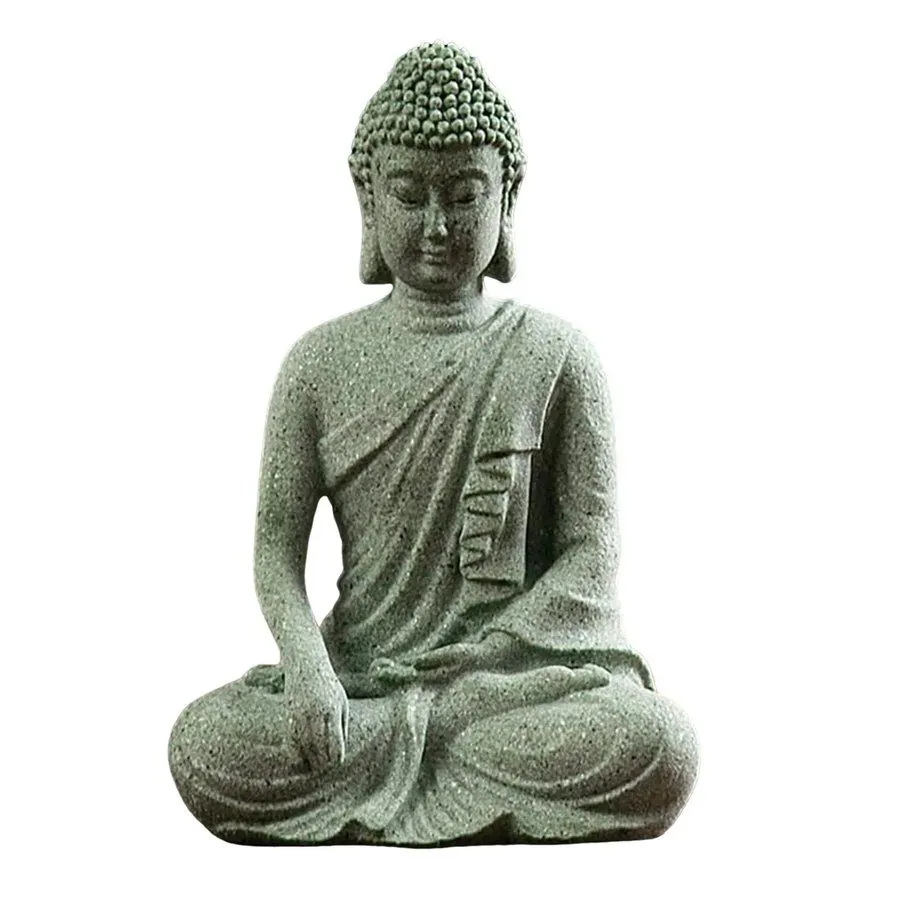
Resin is light, so you can move it and post it cheaply. It holds fine detail a mould-maker would weep over, it does not crack in frost the way porous stone can, and a UV-stable resin holds its colour for years. What it will not do is develop that living patina. It stays looking like what it is. If a serene focal point is what you are after, a stone-effect Buddha statue gives you the look without the two-man lift, and the full resin ornaments range shows how far the finishes have come.
Wood: Lovely, and Living on Borrowed Time
I have a soft spot for timber, so I will say the kind bit first. Nothing warms a cottage garden like real wood, oak or teak especially, and a carved owl on a gatepost has a charm no moulding matches. It feels alive because it was.
And it is dying from the day you buy it. Wood is organic, so British damp, our national weather, feeds the rot. Untreated softwood can go soft in a couple of seasons. The RHS has sensible advice on protecting timber in the garden, and it comes down to oil, shade from standing water, and getting it off the wet ground RHS, garden advice. Treated hardwood in a sheltered nook can last a decade and more. The wooden ornaments collection leans on the more durable timbers for exactly this reason.
The Materials Compared at a Glance
Here is the whole lot side by side, weighed by the things that actually matter.
| Material | Weight | Durability | Price feel | Best for |
|---|---|---|---|---|
| Cast / natural stone | Heavy | Decades, if frost-hardy | Mid to high | Focal points, birdbaths, ageing patina |
| Powder-coated steel | Medium | Years, until coating chips | Mid | Silhouettes, stakes, modern borders |
| Rusted (Corten-style) metal | Medium | Long, stabilises then holds | Mid | Warm-toned features, contemporary planting |
| Stone-effect resin | Light | Good, frost-resistant, colour fades slowly | Low to mid | Detailed statues, easy moving, tight budgets |
| Timber (hardwood) | Light to medium | Shortest, needs treating | Low to mid | Cottage-garden charm, sheltered spots |
So Which Material Wins
None of them, and that is the honest answer. Pick stone for the piece you want to hand down. Pick resin for detail and a sane price. Pick metal for movement and a modern edge. Pick wood if you love it enough to look after it, and know it will not last forever. The trick is putting the right material in the right place, then keeping on top of it, which our guide to caring for garden ornaments covers season by season. If you are still finding your feet, the complete garden ornaments guide is the place to start.
Frequently Asked Questions
Is stone-effect resin as good as real stone? For detail, weight and frost-resistance, resin often wins, and it costs far less. What it will not do is develop the living patina of lichen and moss that makes real stone look older and better every year. It is a different material doing a different job, not a cheap fake.
Which garden ornament material lasts longest outdoors? Frost-hardy cast or natural stone, comfortably. Sat on a firm base out of standing water, it can last for generations. Rusted metal comes a close second once its surface stabilises, while untreated wood lasts the shortest time of all.
Do metal garden ornaments rust in British weather? Powder-coated and galvanised steel resist rust until the coating is scratched or chips, at which point rust can creep underneath. Corten-style metal rusts deliberately to a stable orange crust and then largely stops, so the "rust" is the finish, not a fault.
About the author Bill Tunnicliffe - Knows his stone from his resin Bill spent forty years working stone across Derbyshire, from church repairs to garden commissions, and knows exactly how cast stone, resin and lead weather over decades. He's restored more frost-cracked cherubs than he can count. He'll tell you straight which materials survive a British winter and which turn to crumbs. Writing for Great British Garden Ornaments.