


Quick answer: Unusual garden ornaments in the UK are the pieces that break from the usual urns and cherubs, such as wizard figures, quirky aliens and unexpected creatures. One well-chosen oddity gives a garden more personality than a dozen tasteful pieces. Place it where it surprises, keep the rest of the scheme calm, and let the character do the work.
The most memorable garden I ever designed had a client who insisted on a small stone wizard by the pond. I quietly thought it was a mistake. I was quietly wrong. Everyone who visited went straight to it, and it became the story of the whole garden. That is what unusual garden ornaments do. They give a space a character that no amount of good taste can buy, and they are, frankly, more fun.
If your garden feels correct but a little lifeless, this is the fix. Not more of the same, but one piece that makes people stop and smile.
Why odd beats tasteful
Tasteful is safe, and safe is forgettable. A garden of tidy urns and matching planters is perfectly nice and utterly unremarkable. Character is what people remember, and character usually arrives with a raised eyebrow.
The unusual and unique collection exists for exactly this. Pieces that do not take themselves too seriously, chosen to be the thing a visitor points at rather than walks past. You do not need many. One is often plenty.
The pieces that get a reaction
Some ornaments are built to raise a laugh, and there is real skill in that. A garden should not be a solemn place.
- A funny alien garden statue peering out of the planting is pure mischief, and the double-take it earns is half the pleasure.
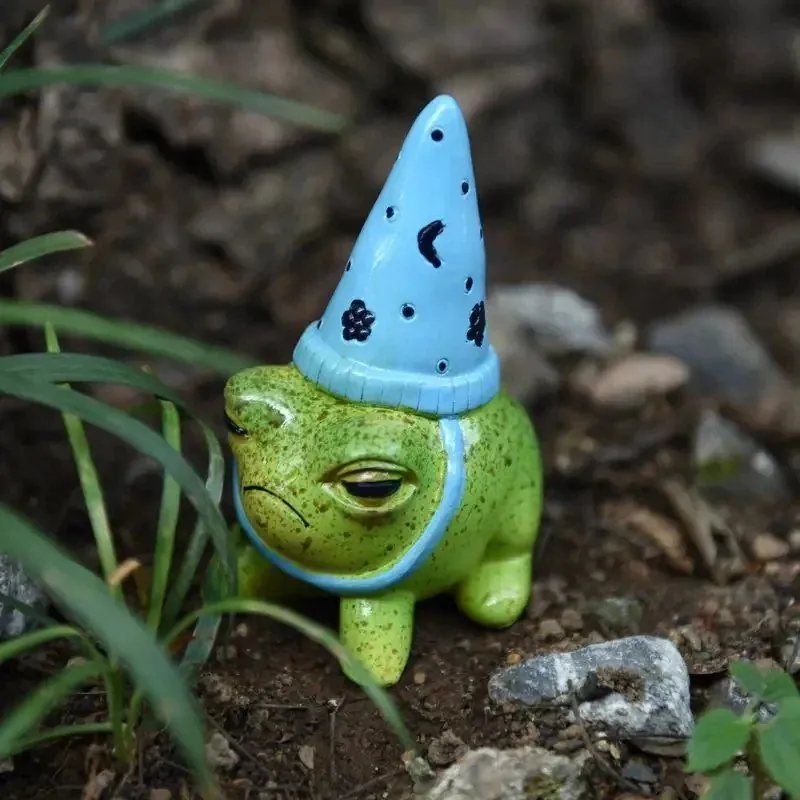
- A frog wizard garden statue brings a storybook wink to a shady corner, all whiskers and pointed hat.
- Unexpected creatures from the funny and novelty range turn a dull bed into a scene with a sense of humour.
These are resin pieces, light to move and easy to reposition until they land in exactly the right spot. That freedom to experiment is part of the charm.
Uncommon animals for the wildlife look
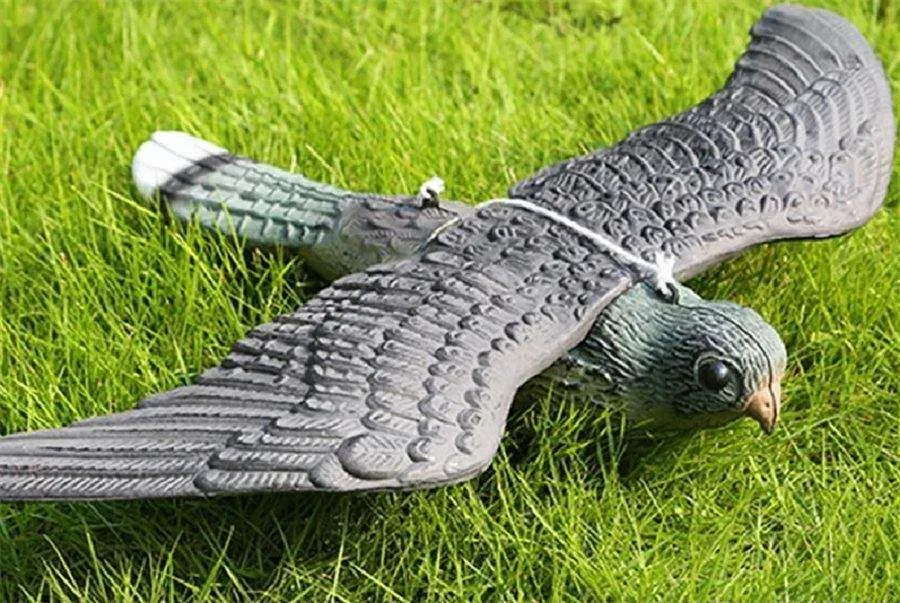
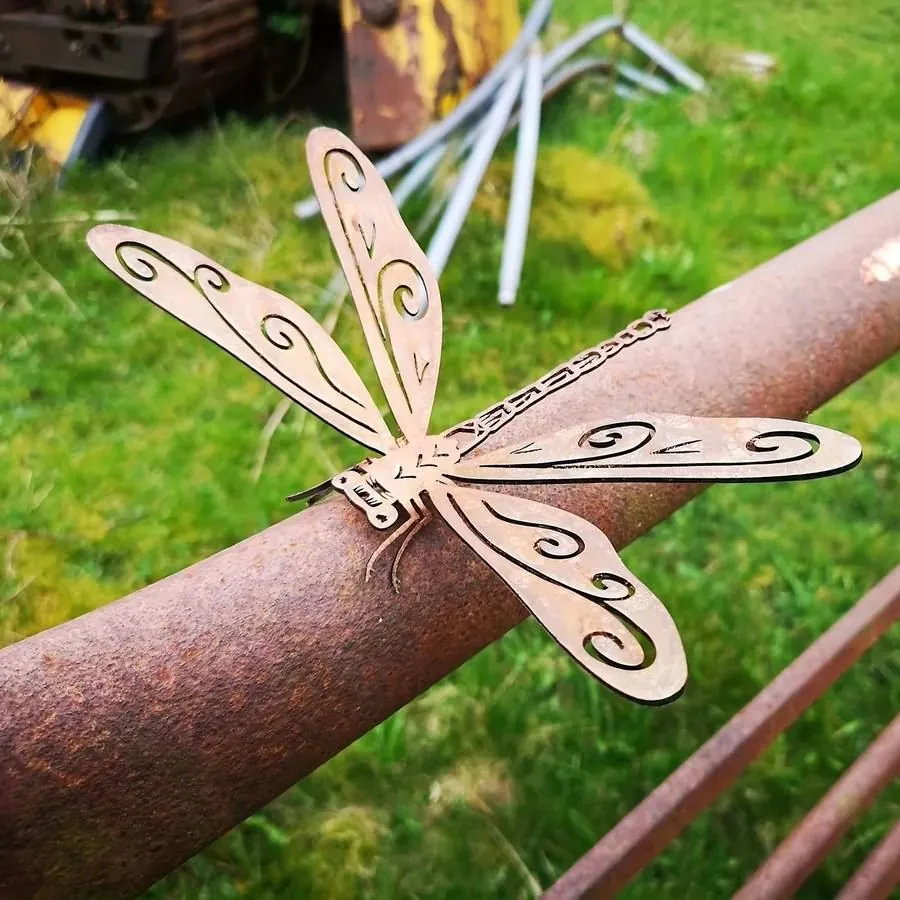
Not every standout piece is a joke. The other animals collection gathers the creatures you rarely see done well, and an unexpected animal reads as characterful rather than comic. A garden that celebrates the odd and the overlooked has a warmth to it, and it need not shout to be original.
Britain's own wildlife is a lovely thread to follow here. The Wildlife Trusts have plenty on encouraging garden creatures, and choosing ornaments that echo the animals you actually hope to see gives an unusual piece a bit of local meaning too.
How to place a standout piece
An unusual ornament works by surprise, so do not line it up in plain view. Tuck it where it is half-found: emerging from a fern, peering round a pot, waiting at the turn of a path. The reveal is the whole point.
And keep the rest of the garden calm around it. One bold oddity against a quiet backdrop reads as wit. Six of them scattered about reads as a jumble sale. Restraint is what lets the character land. If you want the full method on siting focal pieces, our complete guide to garden ornaments covers placement in depth.
Frequently Asked Questions
What counts as an unusual garden ornament? Anything that breaks from the standard urns, cherubs and planters, such as wizard figures, quirky creatures or unexpected animals. The point is character and surprise rather than a particular material or size. If it makes a visitor stop and look twice, it qualifies.
Will an unusual ornament clash with a normal garden? Not if you place it well. Keep the surrounding scheme calm and let one bold piece stand alone against a plain backdrop. Problems only arise when several loud ornaments compete, so restraint is the trick to making the odd one shine.
Are novelty garden ornaments weatherproof? Most are stone-effect or standard resin, which handles UK rain and frost well and is light enough to move indoors over a harsh winter if you prefer. It is resin rather than stone, so it will not crack the way cheap concrete can, and a wipe-down each spring keeps it fresh.
About the author Eleanor Whitcombe - A garden should tell your story Eleanor trained in landscape design and spent twenty years creating gardens across the Cotswolds before turning to writing. She has always been drawn to the small personal touches clients smuggle in - a grandmother's birdbath, a wonky gnome nobody will bin. She's a firm believer that the ornament, not the lawn, is what makes a garden feel loved. Writing for Great British Garden Ornaments.