


Quick answer: Garden animal ornaments are decorative resin, stone-effect or metal figures shaped like creatures, from robins and hedgehogs to a rather smug Highland cow. Choose one whose character suits the spot, small perchers for shelves and tables, bolder statues for borders and lawns, then let it peep out rather than parade.
I have a meerkat called Keith. He stands sentry by the back step, resin paws crossed, judging everyone who forgets to wipe their feet. He is not real, obviously, and he has never caught an insect in his life, but he makes me grin every single morning, and that is the entire point of garden animal ornaments. They are not wildlife. They are personality, poured into a mould and planted in your border.
This guide is the friendly version. What the main animal types actually bring to a garden, where each one belongs, what they are honestly made of, and how to pick one that raises a smile instead of an eyebrow. I write from a Newcastle back garden that currently houses forty-odd gnomes and a growing menagerie, so trust me, I have made the tasteful mistakes so you do not have to.
What Counts as a Garden Animal Ornament
Broadly, anything critter-shaped that you put outdoors for the joy of it. Most fall into a few happy camps.
- Garden birds: robins, owls, ducks, the odd tropical show-off.
- Countryside characters: Highland cows, hares, hedgehogs, sheep with resigned expressions.
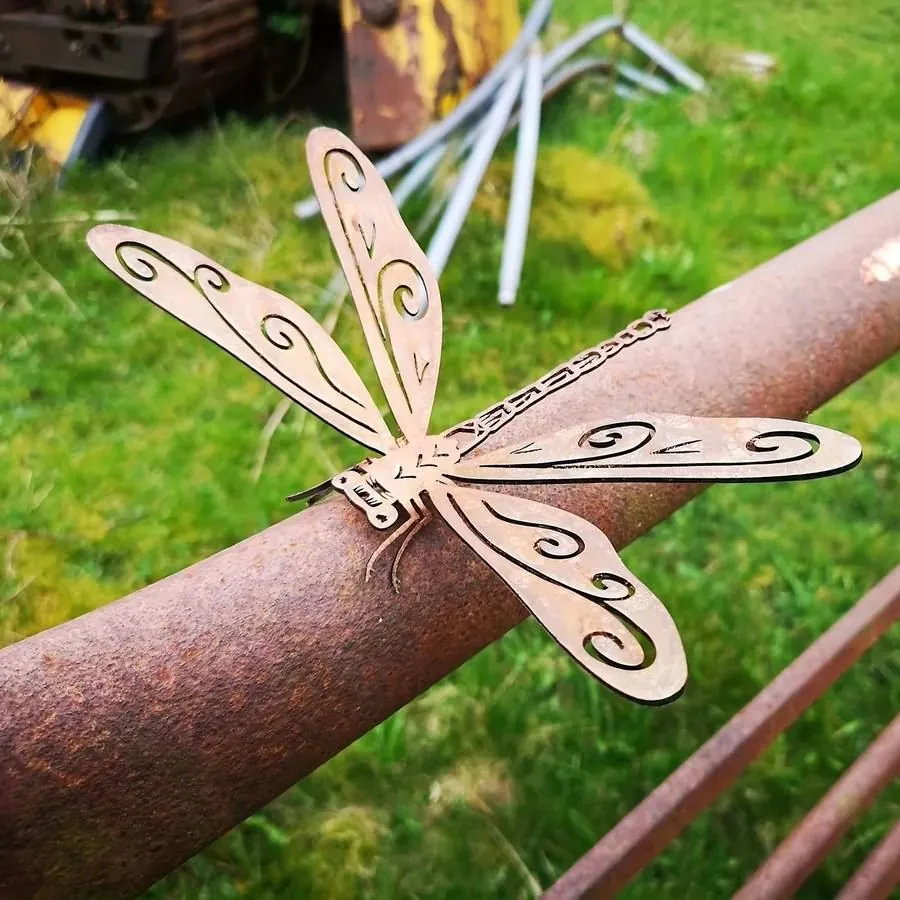
- Pond and pot dwellers: frogs, geckos, dragonflies that never actually fly.
- Statement beasts: bigger sculptures meant to stop you mid-path.
The material matters more than the marketing. Most affordable pieces are cast resin with a stone or metal effect finish, which is why they cost a tenner and not two hundred quid. Others are genuinely powder-coated steel or rusted metal for that lovely weathered look. None of mine are carved stone, and honestly, cast resin holds fine British detail beautifully. Just know what you are buying so you site it right.
Pick by Character, Not Just Species
Here is my one strong opinion, and I will die on this hill: an ornament should match the mood of its corner. A cheeky ornament in a solemn spot looks lost. A grand one crammed on a windowsill looks like it is queuing for the bus.
The animal ornaments range spans the full cast, so start with the feeling you want, then find the creature that carries it.
| Animal type | Mood and vibe | Best garden spot | Popular pick |
|---|---|---|---|
| Robin and small birds | Sweet, sentimental, quietly cheering | Bird table, shelf, low wall, memorial corner | Small perched resin robin |
| Owl | Wise, watchful, a touch theatrical | Fence post, gatepost, gravel bed | Rotating owl ornament |
| Highland cow and farm | Warm, characterful, unmistakably British | Lawn edge, border gap, cottage-garden bed | Stone-effect Highland cow |
| Hare and rabbit | Elegant, folkloric, a bit dreamy | Long grass, under a shrub, wildflower patch | Sitting hare figure |
| Hedgehog | Cosy, gentle, family-friendly | Under a hedge, path edge, tucked in planting | Curled resin hedgehog |
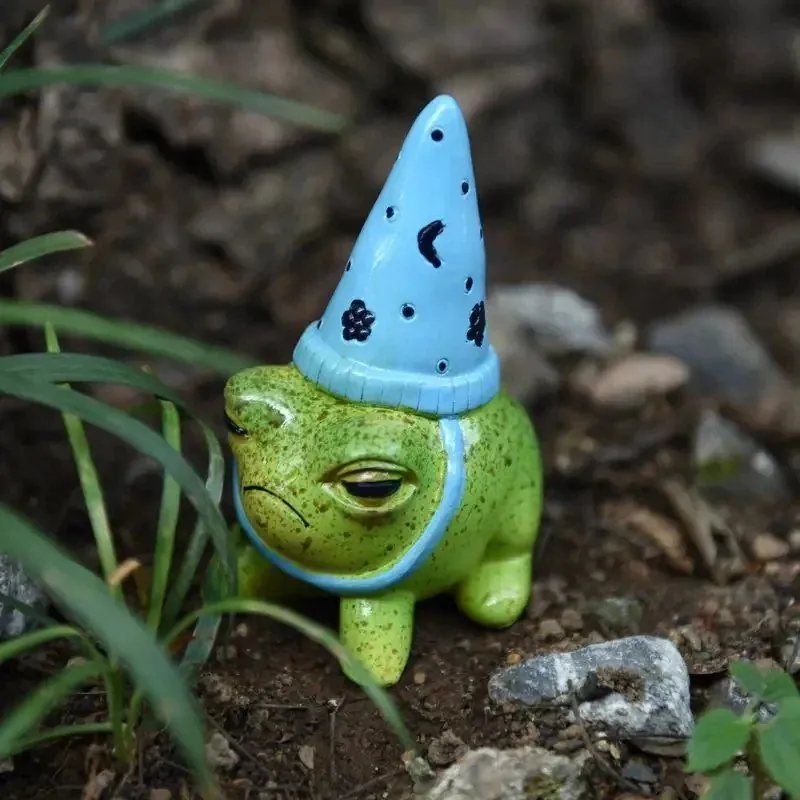
| Frog and gecko | Playful, pond-loving, fun for kids | Pond rim, pot lip, patio nook | Wall or pot-hanging gecko |
| Tropical bird | Bold, loud, gloriously silly | Patio pot, pergola beam, bright border | Tropical parrot figurine |
The Bird Brigade
Birds are where most people start, and no wonder. A rotating owl garden ornament turns gently in a breeze, which gives a fence post a flicker of movement without a scrap of effort from you. It is decorative, not a working scarer, so treat it as charm rather than pest control.
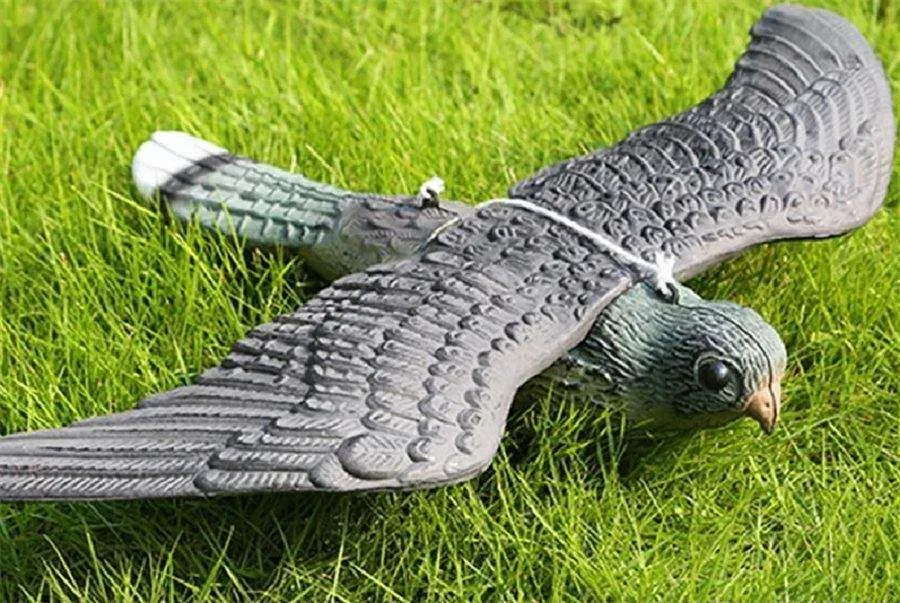
For sheer nerve, nothing beats a tropical parrot garden figurine clamped to a patio pot. It has no business being in a Gateshead garden, which is exactly why I love it. And if you want a piece with proper presence, a flying falcon bird decoy reads as a striking silhouette on a post, a decorative bird of prey mid-swoop. Lovely drama, purely for the look.
Little robins deserve a mention of their own. Tuck one on a bird table or a quiet ledge and it does gentle emotional work, which is why small robins sell so steadily through a British winter.
Countryside Characters and the Small Beasts
If birds are the openers, the farmyard crowd are the scene-stealers. A stone-effect Highland cow in a border gap is pure cottage-garden joy, all fringe and indifference, and the Highland cow and farm range leans right into that rustic warmth. Hares belong in longer grass where they can look mid-thought, and hedgehogs want tucking under a hedge like they have wandered in by accident.
The Royal Horticultural Society's garden design advice makes a point that holds for ornaments too: a focal point works because the eye lands on it, then moves on. So one confident hedgehog beats six scattered ones. Restraint, from the woman with forty gnomes. I know.
For the low-down dwellers, the twilight-creature crowd covers that dusk look, and a small gecko clinging to a pot rim brings a grin at eye level where you least expect it.
Siting Them So They Sing
Placement is half the magic, and it is where good ornaments get let down. Give a figure something to peep from rather than a bare stretch of lawn where it looks abandoned. Foliage, gravel, a pot edge, the base of a wall, all frame a creature and make it feel found. Gardeners' World has plenty of styling inspiration if you want to see how planting and objects sit together.
A few honest pointers from my own trial and error:
- Let planting grow up around the base so nothing looks parked.
- Give bold statues space; give little ones company or a nook.
- Face them slightly off the path, as if caught in a private moment.
- Check the piece is described as weatherproof or frost-resistant before it braves a proper British winter.
One caveat worth saying plainly: an ornament is decoration, not habitat. If you want the real hedgehogs and robins to visit, that is about log piles, water and native planting, which The Wildlife Trusts explain far better than I can. A resin hedgehog is for your heart, not theirs.
Building a Little Cast
The trick to a garden full of characters that still looks intentional is a light touch. Start with one hero animal, then add a supporting player elsewhere rather than crowding one bed. That way you get a story unfolding across the garden, not a car-boot sale.
If you want to keep going, the fairies, gnomes and characters guide is where the properly mischievous folk live, and it pairs neatly with a bit of thoughtful placement so a group never tips into clutter. Team gnome, and proud of it, so I would say that.
Frequently Asked Questions
Are garden animal ornaments weatherproof? Most cast resin and powder-coated metal pieces cope well with UK weather, but check the product description for frost-resistant or weatherproof wording. Bringing lighter resin ornaments under cover in the harshest frosts helps them last longer and keeps the finish bright.
What material are affordable animal ornaments made from? Usually cast resin with a stone-effect or metal-effect finish, which is why the detail is crisp and the price is friendly. Some are genuine powder-coated or rusted steel. They are decorative pieces, not carved stone, so treat them as garden character rather than heirloom masonry.
Do bird ornaments like the falcon decoy scare real pests? Treat them as decorative first. A flying falcon bird decoy or rotating owl looks striking on a post and adds movement, but any effect on real birds fades fast once they learn it never moves for them. Buy it because you like the look.
About the author Kayleigh Fenwick - Team gnome, and proud of it Kayleigh is a Newcastle graphic designer whose back garden is home to over forty gnomes, three flamingos and a meerkat called Keith. What started as an ironic joke became a genuine, joyful obsession. She champions character ornaments for anyone who wants their garden to make them grin. Writing for Great British Garden Ornaments.