


Quick answer: Garden fairies ornaments, gnomes and character figures are decorative resin or metal pieces that add whimsy and personality to a garden. Pick fairies for quiet magic, gnomes for cheeky warmth and toadstools for storybook charm, then tuck them into planting so they feel found rather than displayed.
Confession up front: I own more than forty gnomes, three flamingos and a resin meerkat named Keith, so this is less a guide and more a coming-out. Character ornaments are the bit of gardening nobody admits they love until they see yours and go quiet with envy. Garden fairies ornaments, little gnomes, toadstools the colour of a fairground, they are pure joy on a shelf, and I will not be taking questions on taste.
This is the full playful cast. Who each character is, where they belong, what they are honestly made from, and how to build a scene that charms rather than clutters. If your garden could do with a bit more grin per square metre, you are in the right place.
The Case for Character
Some gardens are all clipped box and gravel, quietly perfect, quietly joyless. A single fairy peeping from the fern changes the whole mood. Character ornaments give a garden a wink, a sense that someone lives here and finds the place funny.
The material behind the magic is usually cast resin with a stone-effect or painted finish, which is why a properly detailed fairy costs a few pounds rather than a few hundred. Some pieces are metal; almost none are carved stone. That is no bad thing, since resin holds fine, storybook detail beautifully and shrugs off a drizzly Newcastle week. Know what you are buying and you will site it kindly.
Meet the Cast
Here is the whole merry lot, and the personality each one brings. Match the character to the corner and the whole thing sings.
| Character type | Personality | Best for | Styling tip |
|---|---|---|---|
| Fairy | Gentle, magical, a little shy | Quiet corners, fern beds, children's gardens | Half-hide it in foliage so it is found, not shown |
| Gnome | Cheeky, warm, unbothered | Vegetable patch, path edge, pot cluster | Group two or three for a proper crew |
| Toadstool | Storybook, colourful, cheerful | Shady borders, tree base, woodland patch | Cluster odd numbers for a fairy-ring feel |
| Wizard and folk figure | Theatrical, characterful, fun | Pond edge, gravel nook, statement spot | Give it space so the drama reads |
| Novelty and funny piece | Silly, surprising, a talking point | Patio, doorstep, anywhere that needs a laugh | One is plenty; let it be the punchline |
Fairies: Quiet Magic
Fairies are the soft heart of the whole business. Unlike a bold statue, a fairy works by being half-hidden, so you plant it low among ferns or trailing foliage and let visitors spot it themselves. That moment of finding one is the payoff. The fairy garden collection leans into that woodland, wonderland-style charm, all delicate wings and dreamy poses.
They are also the natural entry point for a children's corner. A small storybook scene, a fairy or two among the flowers, and a child will patrol it for weeks. Keep the wording generic and the magic homemade; no licensed characters, just good old-fashioned fairy-tale whimsy.
Gnomes: Cheeky and Proud
Now my people. Gnomes are the extroverts of the garden, red-hatted, faintly rude, entirely unbothered by your opinion of them. A lone gnome looks a touch lonely, so I always say buy a crew. The gnomes and characters range has enough personalities to start a small society by the shed.
If you want the one that makes people snort into their tea, the tipsy garden gnome leans on his post like he has had a long day at the allotment, and he is worth every penny of his low price. Gnomes suit the working parts of a garden best, tucked by the veg beds or guarding the compost, where their scruffy charm belongs.
Toadstools, Wizards and the Gloriously Odd
Toadstools are the connective tissue of a character garden, the red-and-white full stops between the bigger players. Clustered in odd numbers at a tree base, they conjure a proper fairy-ring feel, and the toadstool and mushroom collection covers everything from tiny clumps to statement caps. For after dark, a set of solar mushroom garden lights turns that woodland corner into something quietly enchanting once the sun drops, no wiring, no bother.
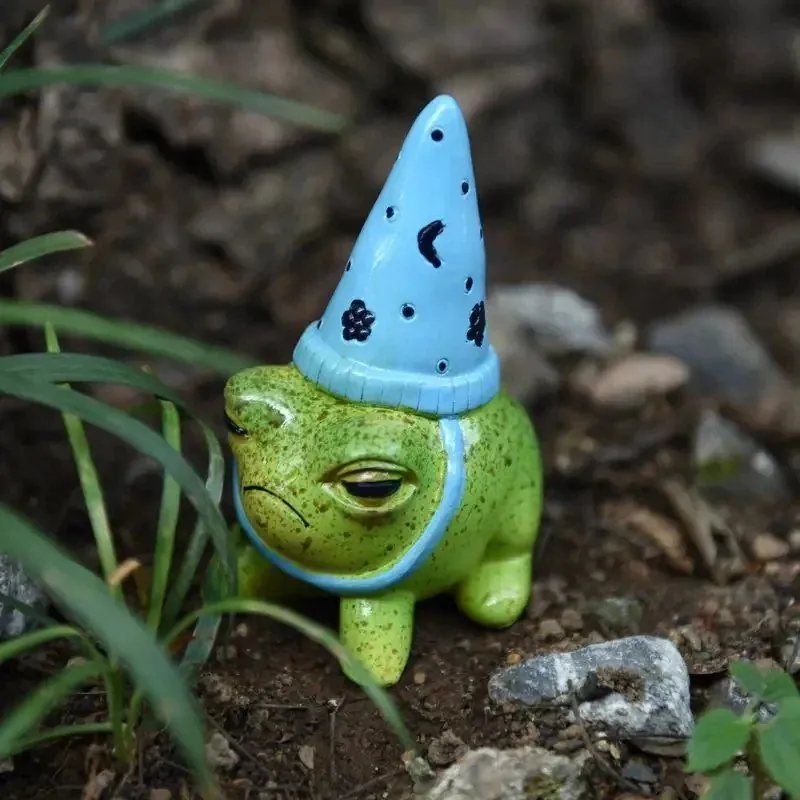
Then there is the theatrical end. A frog wizard statue, all robes and misplaced confidence, is the sort of piece that earns a double-take by the pond. And if your humour runs sillier still, a properly daft novelty character is where the fun heads next. One good joke per garden, mind. Even I have limits, and I have a meerkat.
Building a Scene, Not a Jumble
The line between charming and chaotic is real, and I have crossed it more than once. The fix is composition. The Royal Horticultural Society's garden design advice talks about focal points and rhythm, and it applies just as well to a gnome as to a rose. Give the eye one clear character to land on per view, then let smaller pieces support it.
A few things I have learned the hard, cluttered way:
- Start with one hero character and build slowly around it.
- Use odd numbers for groups; threes and fives look natural, pairs look staged.
- Let planting grow up and part-hide the bases so nothing looks parked.
- Vary the heights so a scene has a little skyline.
For layout ideas that pull it all together, Gardeners' World is a lovely rabbit hole. There is a long British tradition of characterful garden follies and ornament, which Historic England documents beautifully; your gnome collection is simply the cheerful, affordable end of a very old habit.
Where to Go Next
Once the little folk have moved in, the animals usually follow. My garden animal ornaments guide covers robins, Highland cows and the rest of the menagerie, and knowing when to stop is the real skill before you buy a fifth toadstool. Team gnome, and proud of it, so I fully expect you to ignore that last bit.
Frequently Asked Questions
What are garden fairies ornaments made from? Most garden fairies ornaments are cast resin with a painted or stone-effect finish, which keeps fine detail crisp at a friendly price. Some character pieces are metal. They are decorative figures rather than carved stone, so treat them as playful garden character and check the description for weatherproof wording.
How do I arrange gnomes without it looking cluttered? Group them in odd numbers, give each little scene one clear focal figure, and let planting part-hide the bases so nothing looks parked on bare soil. Start with one hero character and add slowly. Restraint keeps the charm; a wall of gnomes reads as chaos.
Are these ornaments suitable for a children's garden? Yes, fairies, toadstools and friendly gnomes make a lovely storybook corner children adore. Choose sturdy, weatherproof pieces, site them where small feet will not trip, and keep the theme generic and fairy-tale rather than tied to any licensed character. The magic works best when it feels homemade.
About the author Kayleigh Fenwick - Team gnome, and proud of it Kayleigh is a Newcastle graphic designer whose back garden is home to over forty gnomes, three flamingos and a meerkat called Keith. What started as an ironic joke became a genuine, joyful obsession. She champions character ornaments for anyone who wants their garden to make them grin. Writing for Great British Garden Ornaments.