


Quick answer: Choose somewhere you already go rather than somewhere out of the way, give it a seat if there is room, and keep it to one piece that means something. A memorial corner works because you visit it, so ease of access matters more than how the arrangement looks.
I spent a long time sitting with people who were grieving, and later looking after a churchyard. The corners that worked were never the most elaborate ones. They were the ones people actually sat in.
Choose somewhere you already go
The instinct is to find a quiet corner away from everything. That is worth resisting.
A memorial place is only doing its job if you visit it, and a spot at the bottom of the garden behind the shed gets visited in the first month and rarely after. Somewhere on the way to the washing line, or visible from the kitchen window, becomes part of the day.
Being seen from indoors matters more than people expect. In February, when nobody is going outside, a piece you can see from a window is still there.
Somewhere to sit, if there is room
A bench changes what the space is for. Standing in front of something is a visit; sitting down is time spent.
It does not need to be a bench. A low wall, a large flat stone, a single chair. What matters is that there is a reason to stay for more than a moment.
If the garden is too small, place the piece where it can be seen from a seat you already have.
One piece, chosen carefully
This is the part I would say most firmly. One thing that means something is worth more than a collection.
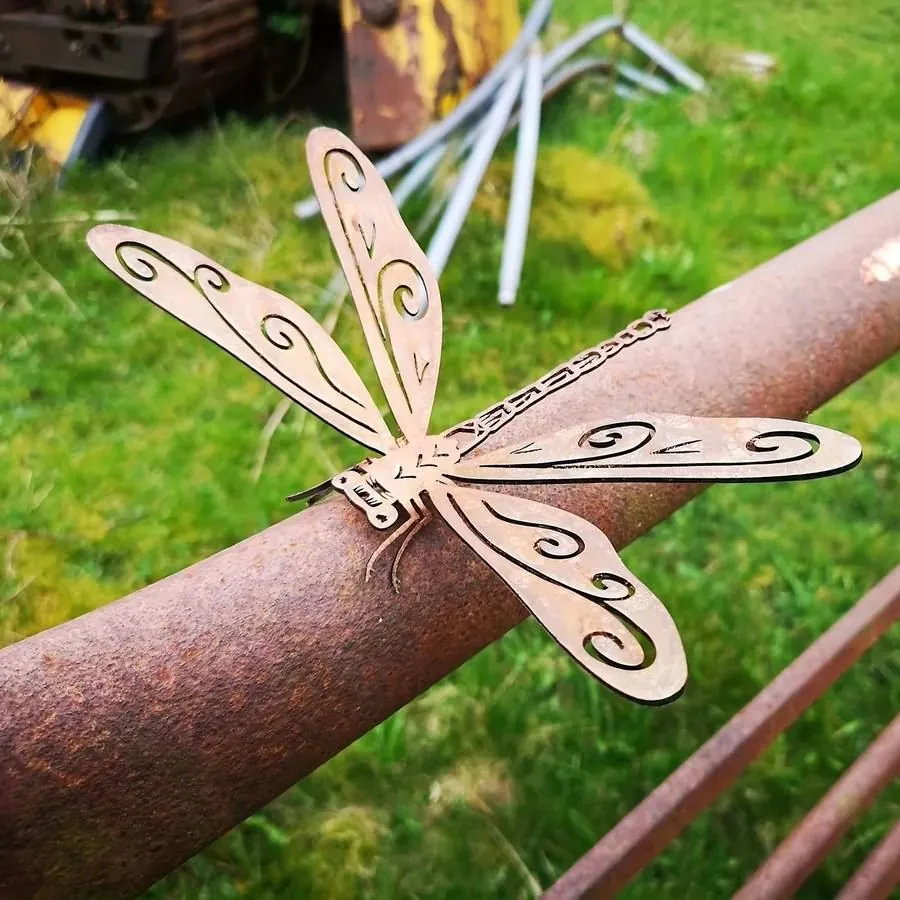
An ornament, a plaque, a bird bath, a single stone. Adding more tends to dilute rather than deepen, and a corner that fills up over years can start to feel like a display rather than a place.
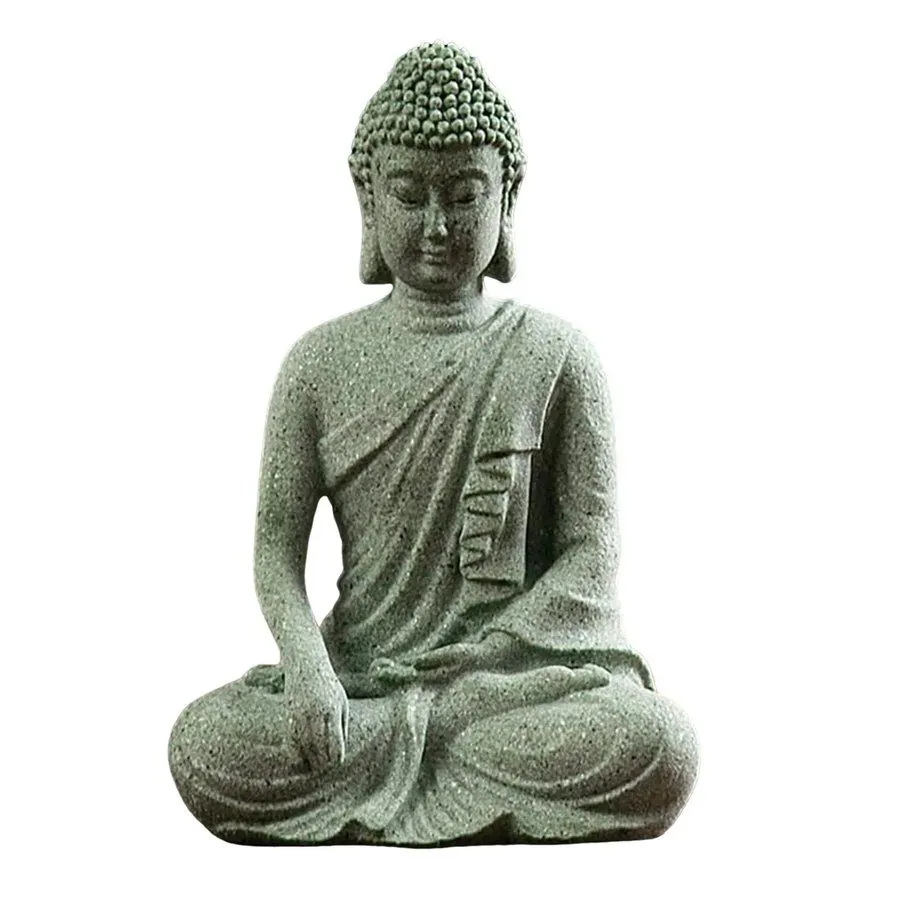
What people choose most often, in my experience: a robin, for the association with a loved one being near - there is more on the popular pieces here and robins are here. A calm figure such as a stone-effect Buddha, for stillness rather than for religious reasons. Or something with no words at all, which some people find easier.
See the memorial and meaningful range for the pieces made for this.
Sound and movement
Worth thinking about, because a memorial corner can otherwise feel very still.
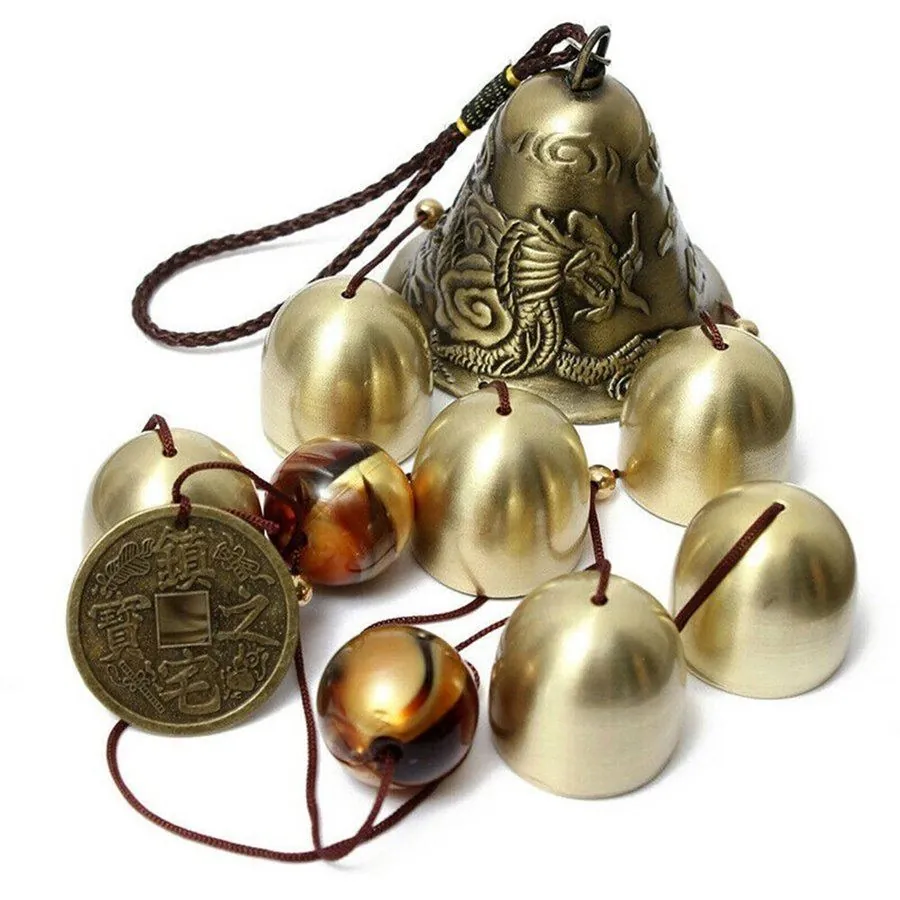
Wind chimes give a place a voice, and the sound is what many people say brings the person to mind rather than the object itself - a brass bell chime is a soft one rather than a bright one.
Water does something similar. Even a small bird bath brings movement, birds and sound into a quiet corner - water features are here.
If the spot is very exposed, be careful with chimes. Constant noise stops being a comfort.
Planting that carries the year
Aim for something happening in every season, so the corner is never bare.
- Evergreen structure - so there is shape in January.
- Spring bulbs - snowdrops and daffodils come back on their own, which many people find quietly reassuring.
- Something scented - lavender, rosemary or a scented rose. Scent carries memory more directly than anything visual.
- A plant with a connection - their favourite, or one from their garden. This tends to matter more over time than anything bought.
Keep it low maintenance. A memorial corner that becomes a chore is a burden at exactly the wrong time.
Light, for the winter
The months when a garden gives least are often the months this matters most.
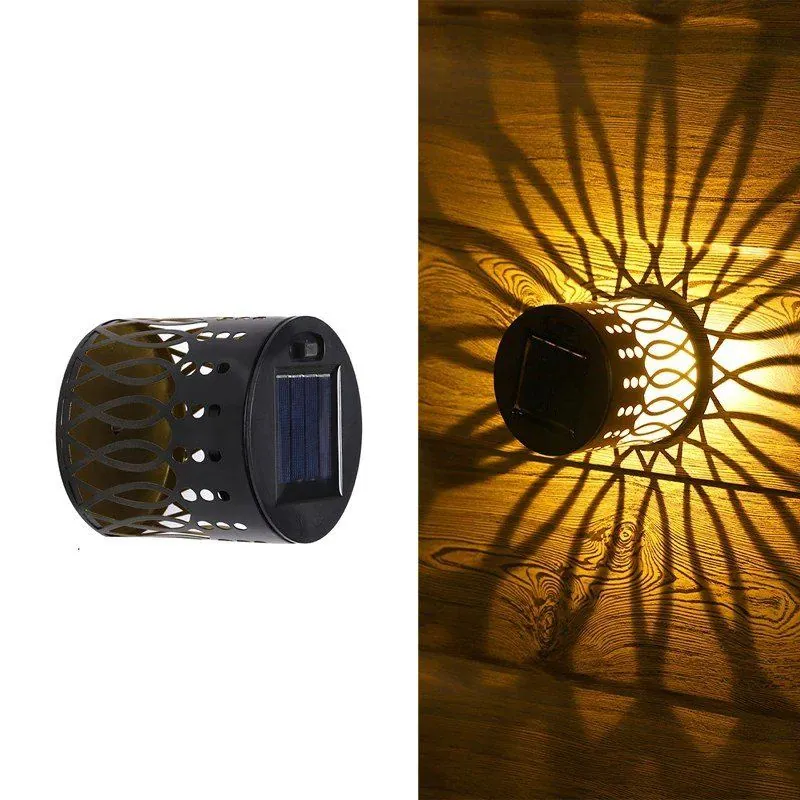
A small solar light near the piece means it is still there at five in the afternoon in December. Something soft and low suits this better than anything bright - the solar guide is honest about what solar manages in a British winter.
Take your time
There is no need to have it finished. Some of the best corners I have seen were built slowly, a piece at a time, over several years.
If you are not sure what to choose yet, a plant and a seat is a complete memorial on its own. The rest can come when it comes.
If other people share the garden
Worth thinking about early, because it saves difficulty later.
A memorial corner in a shared or family garden works best when everyone knows it is there and what it is. That does not mean it has to be obvious to visitors - a piece can be completely private in meaning while looking like an ordinary part of the garden.
Some families like a spot everyone can add to over time. Others find that difficult and prefer one person to choose. Neither is wrong, but it is easier to agree at the start than to unpick later.
If children use the garden, put the corner slightly out of the run of play rather than in the middle of it. A quiet spot stays quiet, and nobody has to be told to be careful.
There is more in the memorial guide, and the placement guide covers siting a piece so it reads well.
The short version
- Put it somewhere you already pass, or can see from a window, not out of the way.
- A seat turns a visit into time spent - a low wall or a single chair is enough.
- One piece that means something is worth more than a collection that grows.
- Sound and movement help: a soft chime or a bird bath gives a still corner a voice.
- Plant for every season, keep it low maintenance, and let it come together slowly.
Frequently asked questions
Where should a memorial garden corner go?
Somewhere you already pass or can see from a window, rather than a quiet spot at the bottom of the garden. A memorial place only does its job if you visit it, and out-of-the-way corners get visited far less after the first months.
What should I put in a memorial corner?
One piece that means something, rather than a collection. A robin, a calm figure, a plaque, a bird bath or a single stone. Adding more tends to dilute the place rather than deepen it, and it can start to feel like a display.
What should I plant in a memorial garden?
Evergreen structure so there is shape in winter, spring bulbs that return on their own, and something scented such as lavender or rosemary, because scent carries memory directly. A plant they loved matters most of all.
Are wind chimes a good idea in a memorial space?
Often yes - many people find the sound is what brings someone to mind rather than the object. Choose a softer, lower-toned chime, and be cautious in a very exposed spot, where constant noise stops being a comfort.
Do I need to finish it all at once?
No, and it is usually better not to. Many of the best memorial corners are built slowly, a piece at a time, over years. A plant and somewhere to sit is a complete memorial on its own if you are not ready to choose more.