

Quick answer: Toadstools read best in odd-numbered clusters of different heights, half tucked into planting rather than lined up on show. One on its own looks placed; three of varying size at the base of a shrub or along a path edge look like they came up on their own.
The toadstool is the single most efficient ornament in the garden. Nothing else tells you what kind of place this is in so little space.
Cluster them, always
One toadstool looks like an object someone put there. Three, at different heights, look like something that grew.
That is the whole technique. Real fungi come up in groups, at different stages, at slightly different angles - so a cluster reads as natural and a single specimen does not.
Use odd numbers: three or five. Vary the height genuinely, not slightly. And do not space them evenly - two close together with a third slightly apart looks far more convincing than three at equal intervals.
Tuck them in, do not line them up
The second rule, and it goes against instinct.
Half-hidden is better than fully visible. A toadstool emerging from behind a leaf, at the base of a shrub, or peeping out of ground cover is doing exactly what a real one does. One standing proud on bare soil looks like it was delivered.
Good spots: the base of a tree or large shrub, along the shaded edge of a path, among ferns and hostas, at the foot of a fence, in the damp corner nothing else wants.
Which is also where real fungi appear - shade, damp, near wood. Putting them where they would actually grow is most of what makes them convincing.
They suit the difficult corners
This is the practical argument for them.
Most gardens have a shaded, damp spot where planting sulks. Toadstools belong exactly there, and unlike plants they do not mind. A dark corner with three toadstools and some ferns stops being a problem area.
The small garden guide makes the same point about corners you cannot use.
Colour: red is not the only option
The classic red-and-white spotted toadstool is what everyone pictures, and it is the boldest option. It also fades fastest - reds go first under UV, and a spotted cap loses its contrast within a couple of seasons in full sun.
Natural browns, creams and greys are quieter, age far better, and sit more comfortably in a garden that is not otherwise whimsical. A mixed cluster of one red and two natural reads well - the red draws the eye, the others fill the group.
See the toadstool and mushroom range for both.
Light them
Toadstools are one of the few ornaments where a lit version genuinely improves on the plain one.
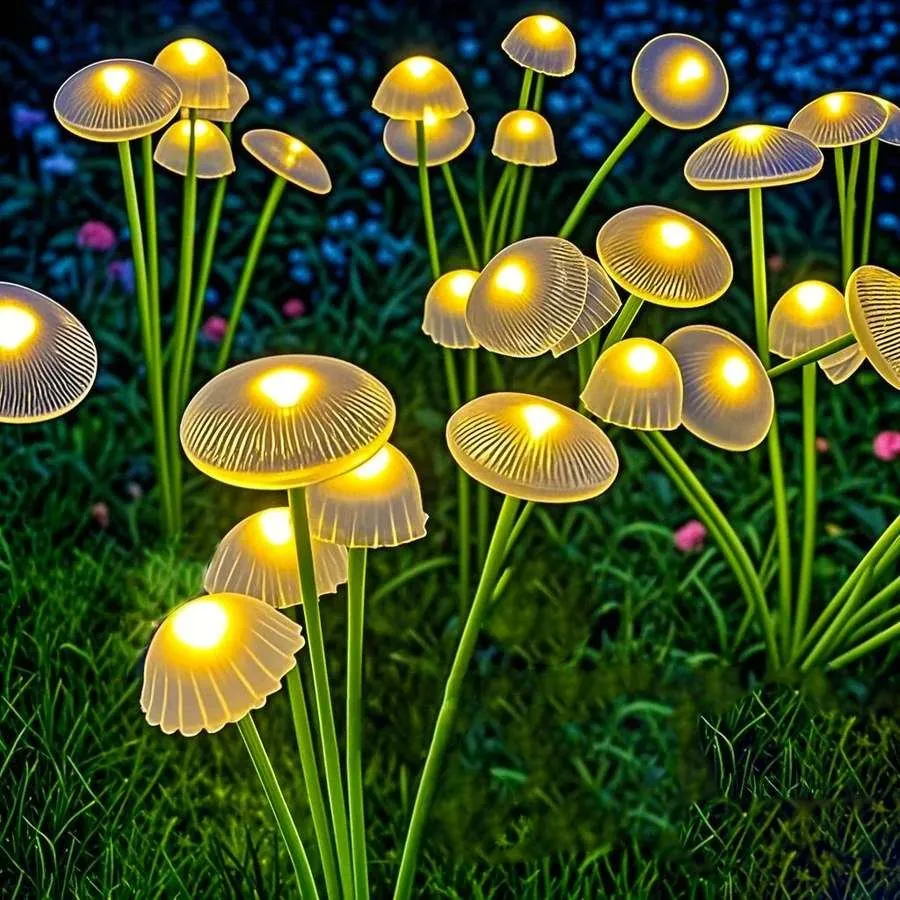
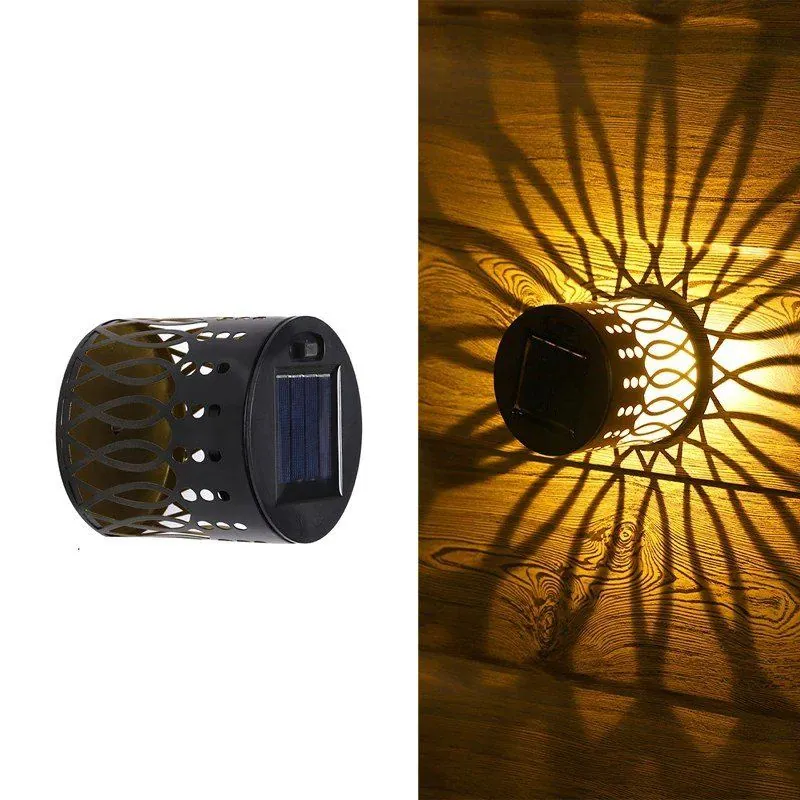
Solar mushroom lights sit in the planting all day looking like ornaments and come on by themselves at dusk, which suits the subject perfectly - fungi belong to the dark and damp end of a garden anyway.
Mix lit and unlit in the same cluster. All-lit looks like a light fitting; one lit among two plain looks like a toadstool that happens to glow. The solar guide covers what to expect through the year.
Fairy gardens and children
Toadstools are the entry point to the whole character end of the garden - the fairy garden guide covers building a scene around them, and the fairy garden range has the rest.
They also work as a trail. Three toadstools spaced along a path, each just visible from the last, gives a small child a reason to walk to the end of the garden. That is worth more than any single ornament.
Care
Almost all toadstool ornaments are resin, so they cope with wet and frost perfectly well - the resin guide covers the material.
The failure mode is paint, particularly on spotted caps. Shade helps enormously, which is convenient, because shade is where you wanted them anyway.
Lift them and brush the bases occasionally - anything sitting in damp planting collects soil and slugs underneath. The care guide has the routine.
Scale, and not overdoing it
Toadstools are cheap and charming, which is exactly why they multiply.
A cluster of three or five is a feature. Twenty spread across a garden stops being a feature and becomes the theme of the whole space, which is a bigger decision than most people meant to make.
If you want a lot of them, concentrate rather than distribute. One really convincing patch in the right corner does more than the same number scattered, and it leaves the rest of the garden free to be about something else.
Size matters too. Very large toadstools read as sculpture rather than as fungi, which is a different effect - mix them with smaller ones so the group still reads as something that grew rather than a set of matching objects.
Browse toadstools and mushrooms, gnomes and characters and solar pieces, with more in the characters guide.
The short version
- Cluster them in odd numbers at genuinely different heights - one alone looks placed.
- Space them unevenly: two close, one apart reads as grown, three equal reads as staged.
- Half-hide them at the base of a shrub or in ground cover, where real fungi appear.
- They are the right answer for the damp shaded corner where planting sulks.
- Red caps fade fastest; a mixed cluster of one red and two naturals ages far better.
Frequently asked questions
How many toadstool ornaments should I use together?
Three or five, at genuinely different heights. Real fungi come up in groups at different stages, so a cluster reads as natural where a single toadstool reads as an object somebody put there.
Where should toadstool ornaments go?
Where real ones would grow - the base of a tree or shrub, the shaded edge of a path, among ferns, or in the damp corner nothing else wants. Half-hidden and emerging from planting looks far better than standing proud on bare soil.
Do red toadstool ornaments fade?
Faster than any other colour, because UV attacks reds first, and a spotted cap loses its contrast within a couple of seasons in full sun. Natural browns and creams age much better, or use shade to protect the red ones.
Should I space toadstools evenly?
No. Even spacing is what makes a group look staged. Two close together with a third slightly apart looks far more like something that came up on its own, which is the whole effect you are after.
Are solar toadstool lights worth it?
They suit the subject unusually well, since fungi belong to the damp shaded end of a garden anyway. Mix lit and unlit in one cluster though - all-lit reads as a light fitting rather than as toadstools.