
Quick answer: Highland cows work because the shape is instantly readable at a distance, even in silhouette - the horns and the fringe do the job no other farm animal manages. Go larger than feels necessary, place it side-on against a plain backdrop, and give it low planting rather than tall.
Something happened over the last few years and the highland cow quietly became Britain's favourite garden animal. I have three, so I am not neutral.
Why this particular animal
It is not sentiment, or not only sentiment. It is silhouette.
A highland cow has two features nothing else does: wide sweeping horns and a heavy fringe over the eyes. Both survive being reduced to an outline, which means the ornament still reads from the other end of the garden, in dusk, in winter, in rain.
Compare that with a sheep, which at twenty paces is a pale blob. The highland is legible in a way most farm animals are not, and legibility is most of what makes a garden ornament work.
The rest is warmth. They look calm and slightly comic at the same time, which is a hard combination to dislike.
Size: go bigger
The most common regret. People buy a 20cm cow, put it in a border and lose it by June.
The shape needs room to read. A piece around 40cm or more holds its own in a normal border; anything smaller wants a hard surface, a wall top or a container to sit on rather than open planting.
If you are buying small deliberately - for a windowsill, a shelf, a patio table - that is fine. Just do not put a small one in a border and expect it to be a feature. The small ornaments guide covers making little pieces work.
Place it side-on
Worth saying because almost everyone gets it wrong.
A cow facing you is a narrow shape with a face on it. A cow side-on is the profile everyone recognises - the body, the horns, the whole outline. Turn it so the long side faces your main viewpoint.
Angling it very slightly away, as though it is grazing and has not noticed you, looks better than dead square. Straight-on placement reads as staged.
What goes around it
Low planting. Grasses especially.
Ornamental grasses do something specific here: they move, and they read as rough pasture, so the animal looks like it is standing in something rather than on something. Low mounding plants work for the same reason.
What does not work is tall planting, which hides the legs and the outline, and busy mixed borders, which break up the silhouette entirely.
A plain background matters as much as the planting - a fence, a hedge, a wall. The placement guide covers backdrops properly.
Materials and what to expect
Most highland cow ornaments are cast resin, because the fringe and horns need detail that coarse cast stone cannot hold - the resin guide covers what that means for care.
The practical consequences: it will be lighter than it looks, so weight or stake it in an exposed spot; and the paint on the coat is the part that fades, so somewhere out of relentless sun keeps the colour far longer.
Metal silhouette versions are the other common option, and they suit the subject unusually well - the whole appeal is the outline, and a flat cut-out is nothing but outline. The metal guide and the metal range cover those.
How many
One, or a small group with a calf. Two adults the same size look like a matched pair, which is the one arrangement that reads as shop display rather than field.
If you want a group, vary the size and set them at slightly different angles and distances, not in a line.
The wider farm-animal family
If a highland is not quite right, the same rules apply to the rest: buy for silhouette, place side-on, keep the planting low.
Indoors, and on the doorstep
A fair number end up not in the garden at all, and they behave differently there.
Indoors there is no weather, so paint lasts indefinitely and you can use smaller, more detailed pieces than would survive outside. A porch, a conservatory or a windowsill is a good home for something too fine for a border.
The doorstep is the halfway case, and the most common. It is sheltered from the worst rain but gets full sun and hard frost, and it also gets knocked - by bags, boots and deliveries. Choose something heavy enough not to be kicked over, and keep it far enough to one side that nobody has to step round it.
Anything living permanently on a doorstep also gets seen at close range every day, so detail is worth more there than size.
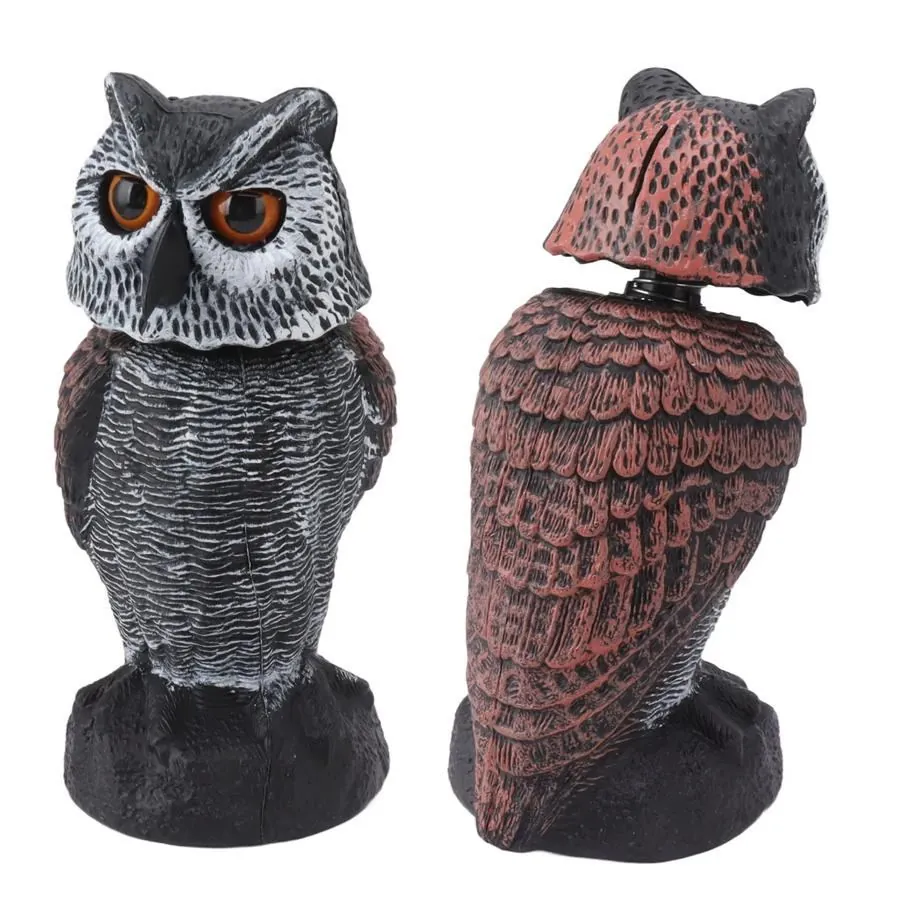
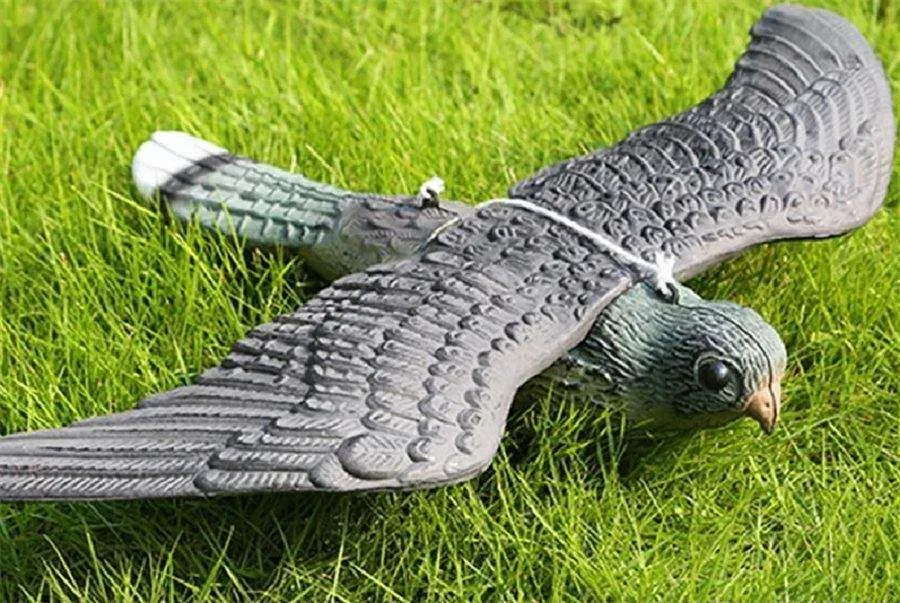
Have a look at the animal ornaments range, other animals and owls and hedgehogs, with more in the animal ornaments guide and the robin guide.
The short version
- Highland cows work because horns and fringe survive being reduced to a silhouette.
- Go larger than feels necessary - 40cm or more holds its own in a normal border.
- Place it side-on and angled slightly away, never facing straight at the viewer.
- Low grasses read as rough pasture; tall planting hides the legs and kills the outline.
- One, or an adult with a calf - two matched adults read as a shop display.
Frequently asked questions
Why are highland cow ornaments so popular?
Mostly silhouette. The wide horns and heavy fringe survive being reduced to an outline, so the ornament still reads from across the garden at dusk or in winter, which most farm animal shapes do not manage.
What size highland cow ornament should I buy?
Larger than instinct suggests. Around 40cm or more holds its own in a normal border, while a 20cm piece disappears into planting by June unless you stand it on a wall top, container or other hard surface.
Which way should a cow ornament face?
Side-on to your main viewpoint, angled very slightly away as though it is grazing. Facing you, it is just a narrow shape with a face; in profile you get the whole recognisable outline that made you buy it.
What should I plant around a highland cow ornament?
Low planting, especially ornamental grasses, which move and read as rough pasture so the animal looks like it is standing in something. Avoid tall or busy planting, which hides the legs and breaks up the silhouette.
What are highland cow ornaments made from?
Usually cast resin, because the fringe and horns need detail that coarse cast stone cannot hold. That means it will be lighter than it looks and needs weighting in an exposed spot, and the painted coat is what fades first.