
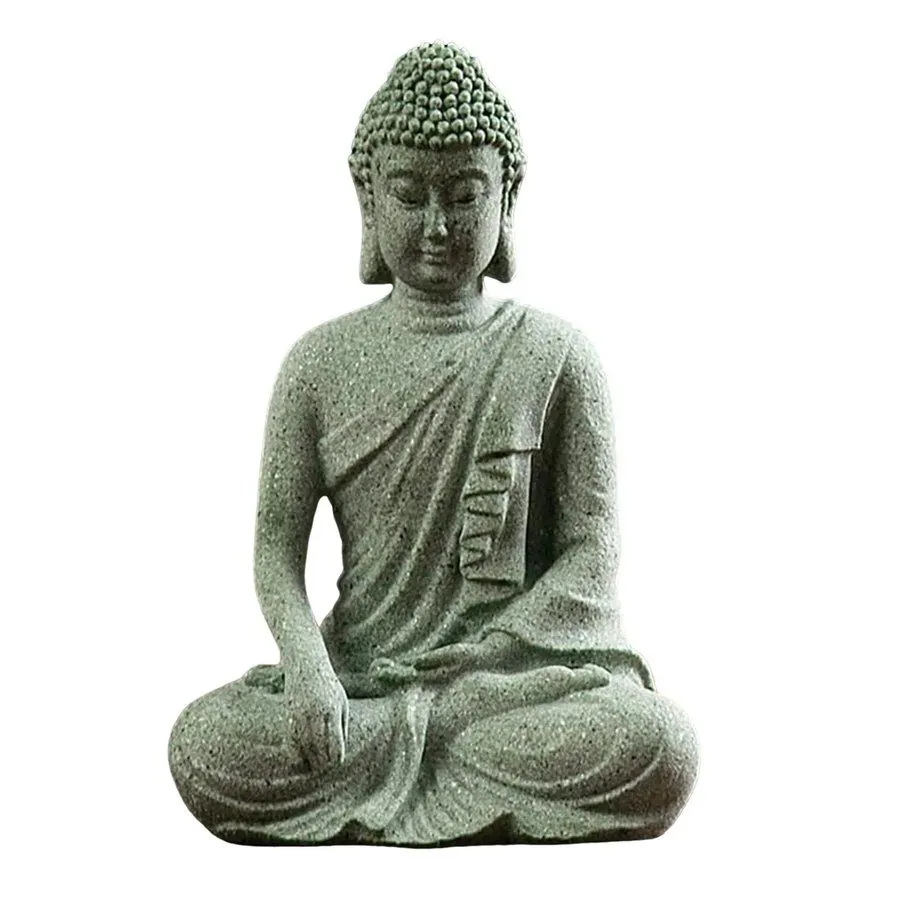
Quick answer: Resin is light, frost-tolerant and holds fine detail better than cast stone, which is why most detailed ornaments are made from it. Its weakness is UV: the paint fades and the resin eventually goes brittle, so shade and a light sealing coat matter more than anything else.
Most of what people call a stone ornament is resin. That is not a criticism - it is often the better material - but it is worth knowing what you actually own.
What resin is
A synthetic material cast into a mould, usually poly-resin, often with mineral powder mixed in to add weight and a stone-like surface. That mix is where "stone-effect" and "stone-look" come from.
It is cast rather than carved, which is why resin pieces can hold detail that would be impossible in cast stone at the same price - faces, feathers, fur, lettering.
What it does well
Detail. The main reason it dominates. Fine modelling survives the moulding process in a way it does not in coarse concrete.
Weight. A large resin piece can be carried by one person. That matters for moving it, for standing it on a balcony or decking, and for what it costs to deliver.
Frost. Resin is non-porous, so it does not absorb water, so there is nothing inside to freeze and split it. This is a genuine advantage over cast stone in a British winter - the stone guide covers what porosity does.
Price. Cheaper to make, cheaper to ship. You get more size and more detail for the money.
What it does badly
UV. The real weakness. Sunlight fades the paint and, over years, makes the resin itself brittle. A piece in full south-facing sun ages far faster than the same piece in dappled shade.
Weight, again. The advantage is also the problem. Light pieces blow over, and a tall resin ornament in an exposed spot needs weighting, staking or standing somewhere sheltered.
Impact. An older, sun-hardened resin piece chips and cracks where a fresh one would have flexed. Most breakages happen to pieces several years old.
It does not weather attractively. Stone improves with age and lichen. Resin just gets tired. There is no patina to look forward to.
Making one last
Four things, in order of how much difference they make.
- Keep it out of full sun. Dappled shade, north-facing, or under the edge of a tree or roof. This single choice does more than everything else combined.
- Seal it. A clear exterior UV-resistant sealant over the paint, reapplied every year or two, slows fading a great deal. Do it on a dry piece in settled weather.
- Lift it off the ground. Standing water and constant damp attack the base and the paint edge first.
- Bring the small, detailed ones in for winter if you want to keep them sharp. Big plain pieces are fine outside.
The care guide covers the routine across all materials.
Telling resin from stone
Useful when buying secondhand, or when a description is vague.
- Weight. The giveaway. Resin is dramatically lighter for its size.
- Tap it. Resin sounds hollow and plasticky; cast stone gives a dull solid thud.
- Look underneath. Resin usually has a hollow base and a visible mould seam.
- Temperature. Stone feels cold to the hand for longer. Resin warms up quickly.
Neither is better in the abstract - the materials guide sets them side by side, and the metal guide covers the third option.
Where resin is the right answer
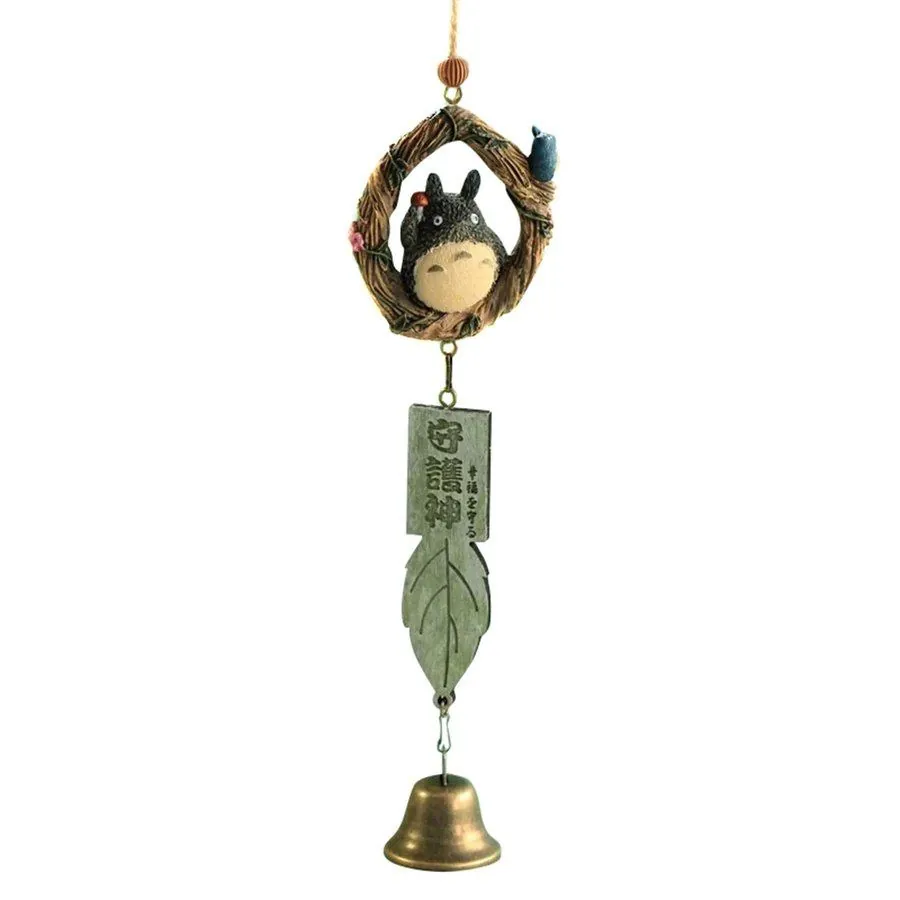
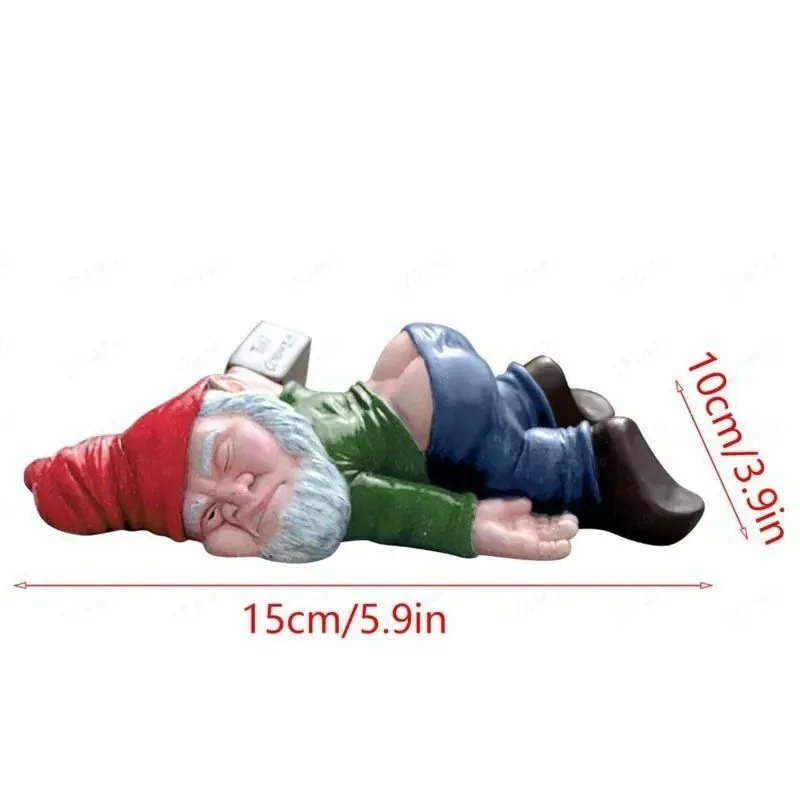
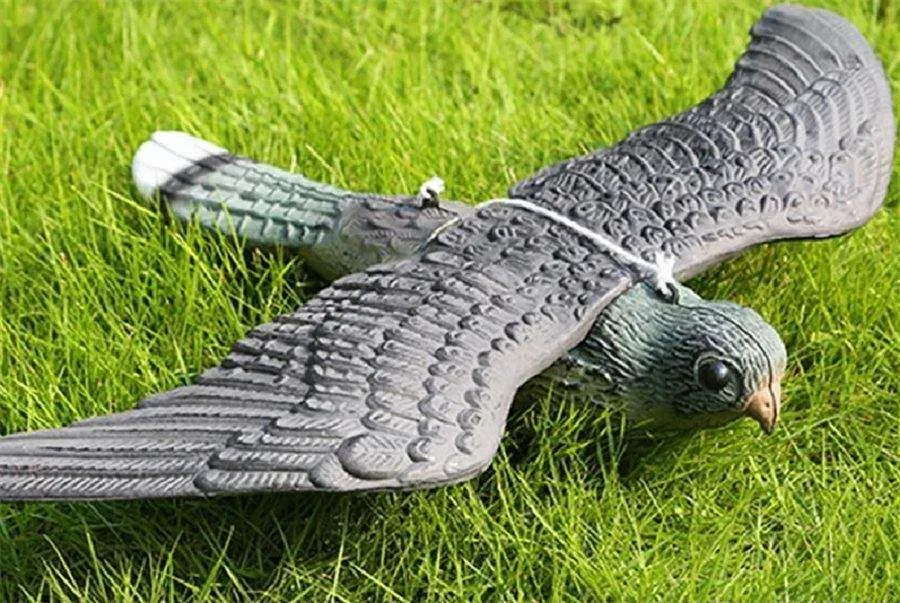
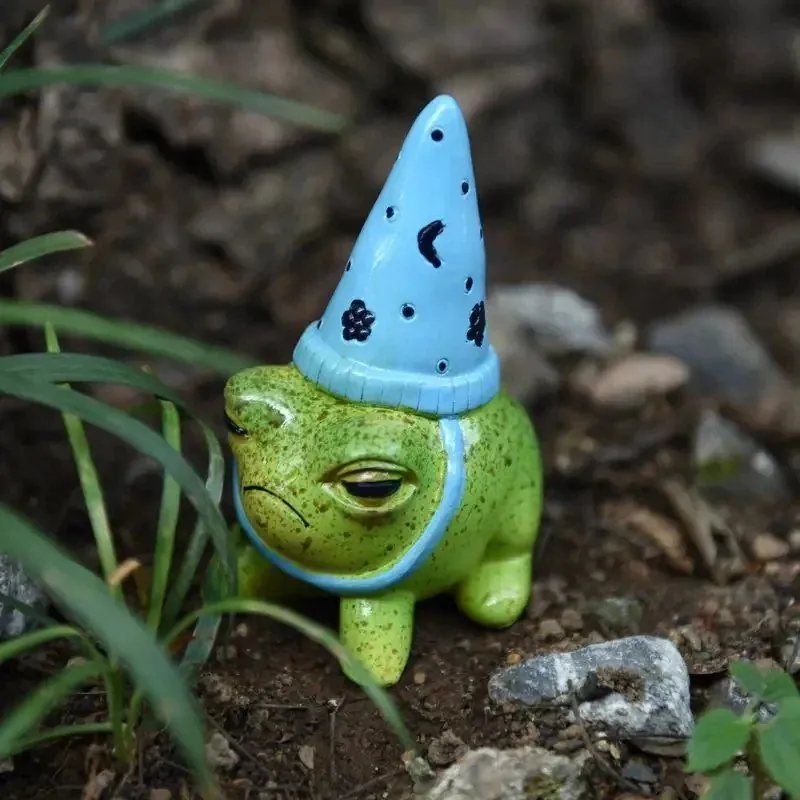
Balconies and roof terraces, where weight is a structural question. Anywhere you might rearrange, because you can actually pick it up. Detailed subjects - animals, faces, fine character pieces - where cast stone simply cannot deliver the modelling. And anywhere that freezes hard, where porous materials struggle.
See the resin range, and character pieces and novelty ornaments are almost all resin for exactly this reason.
The honest summary
Resin is a good material sold badly. Bought as resin, placed out of hard sun and sealed occasionally, it lasts for many years and does things stone cannot.
Bought believing it is stone, it disappoints - not because it failed, but because it was never what the buyer thought.
Buying resin well
Not all resin is the same, and a few things separate a piece that lasts from one that does not.
Wall thickness. Pick it up if you can. A very light piece for its size is thinly cast, and thin castings crack at the edges first.
How the colour is applied. Colour through the material, or a proper multi-layer finish, survives far better than a thin spray over a pale casting. Look at how it holds up in the corners and recesses.
The base. A flat, stable base that sits square matters more than it sounds. Rocking pieces wear at the contact point and eventually chip there.
Fixing points. A hole or a spike socket in the base means you can secure it. Without one, a large light piece is at the mercy of the weather.
Browse resin ornaments, statues and sculptures and unusual pieces, with more in the complete guide.
The short version
- Most detailed garden ornaments are cast resin, often with mineral powder for a stone look.
- It holds fine detail, weighs little and cannot frost-crack, because it absorbs no water.
- UV is the real weakness: paint fades and the resin slowly goes brittle in full sun.
- Shade does more for its life than anything else; a clear UV sealant is a close second.
- Weight, tap and the hollow base tell you resin from cast stone in seconds.
Frequently asked questions
Are resin garden ornaments any good?
Yes, for the right job. Resin holds fine detail that cast stone cannot manage at the same price, weighs a fraction as much, and cannot frost-crack because it absorbs no water. Its weakness is sunlight rather than weather.
Do resin ornaments survive winter outdoors?
Better than cast stone, generally. Resin is non-porous, so no water gets inside to freeze and split it. What ages it is UV over the summer rather than frost over the winter, which surprises most people.
How do I stop a resin ornament fading?
Keep it out of full sun, which does more than everything else combined, and apply a clear exterior UV-resistant sealant over the paint every year or two. Do it on a thoroughly dry piece in settled weather.
How can I tell resin from stone?
Weight is the giveaway - resin is dramatically lighter for its size. It also sounds hollow when tapped where cast stone gives a dull thud, usually has a hollow base with a visible mould seam, and warms up quickly in the hand.
Why do resin ornaments crack after a few years?
Years of UV exposure make the resin brittle, so a piece that would once have flexed under a knock now chips or cracks instead. Most breakages happen to older pieces, which is another argument for keeping them out of hard sun.