

Quick answer: They work, but for a shorter time each night. Winter cuts both daylight hours and sun angle, so the panel banks less charge and the light runs down sooner. Placement, a clean panel and a healthy battery matter far more in winter than the stated run time ever does.
I test these things with an engineer's patience and a slightly unreasonable enthusiasm, and the honest answer to "do they work in winter" is yes, less.
What is actually happening
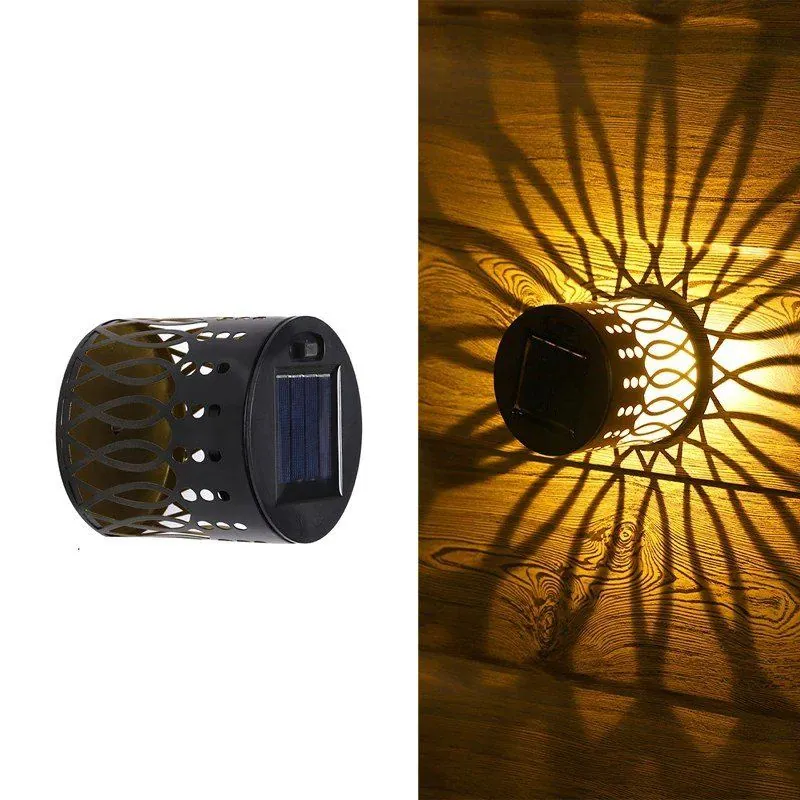
Everything in the solar range is four parts: a small photovoltaic panel, a rechargeable battery, an LED, and a sensor that switches on when light levels drop.
During the day the panel charges the battery. At dusk the sensor closes the circuit and the LED runs off whatever was banked. That is the whole system, and every winter problem is a problem with one of those four parts.
Why winter is harder
Three things stack up, and they compound rather than add.
Fewer daylight hours. Obvious, and the smallest factor of the three.
A lower sun angle. This matters more than people expect. A panel lying flat is pointing at the sky, but in December the sun is low, so light hits the panel at a shallow angle and far less of it is captured. Tilting a panel towards the south makes a real difference in winter and almost none in June.
Longer nights. The cruel part: the battery holds less and has to last longer. A light that runs all night in June may give you a few hours in December.
Cold itself is a smaller factor than people assume. Batteries do give up some capacity in the cold, but sunlight is the limiting ingredient, not temperature.
The four things that actually help
Move it into real sun. The single biggest win. Winter shade is much larger than summer shade - low sun means long shadows, so a spot that was sunny in July can be in shade all day in December. Watch where the light falls at midday in winter and put the panel there, even if the light itself is somewhere else.
Clean the panel. A film of dust, algae or rain spotting cuts output noticeably, and there is no margin to spare in winter. Wipe it with a damp cloth every few weeks. This is the cheapest improvement available and the one most often skipped.
Tilt it if you can. Angling the panel towards the south, rather than flat to the sky, catches a low winter sun far better.
Replace the battery. Most solar ornaments use a standard rechargeable cell, and they wear out after a couple of years. A tired battery is the usual reason a light that was fine last winter is useless this one - unlike a metal ornament, a solar piece has a consumable part in it.
What to expect, honestly
A well-placed, clean solar ornament with a healthy battery will light for a few hours after dusk in midwinter. That covers the evening, which is when anyone is looking at the garden anyway.
What it will not do is run from dusk to dawn in December. Anything promising that in a British winter is describing a summer figure.
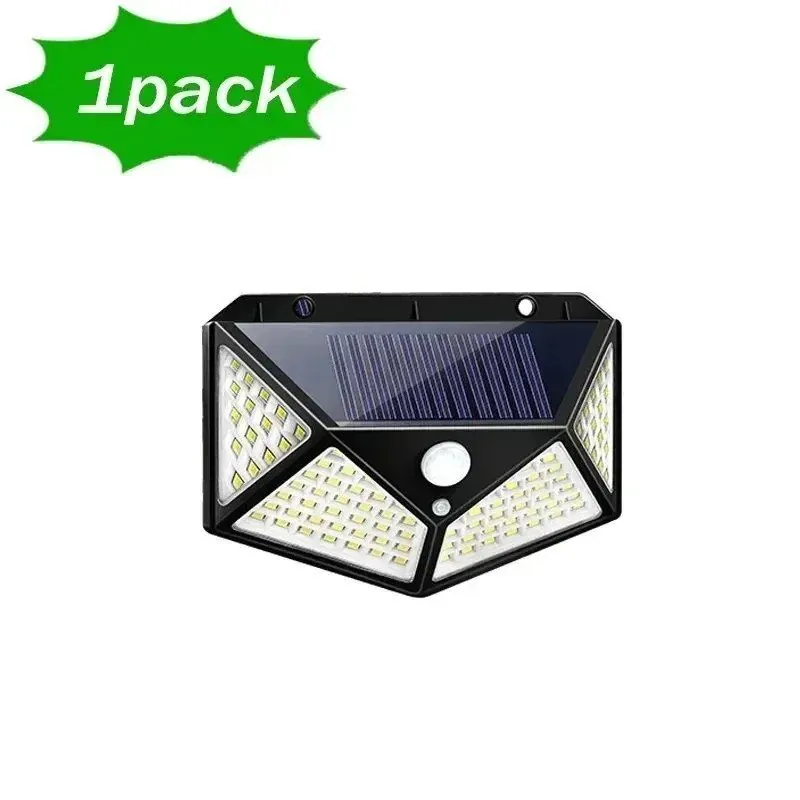
Decorative pieces manage better than functional ones, because they are meant to glow rather than to illuminate. If you need genuine light on a path in January, a motion sensor light is the smarter choice - it stays dark until something moves, so the same battery lasts far longer.
Which types cope best
- Separate-panel designs. Where the panel is on a cable, you can put the panel in sun and the ornament in shade. This is by far the most useful feature in a British garden.
- Larger panels. More area, more charge, particularly in weak light.
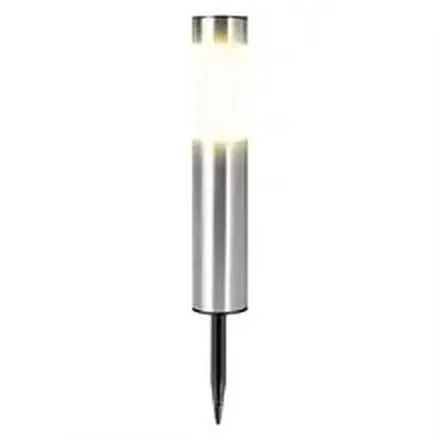
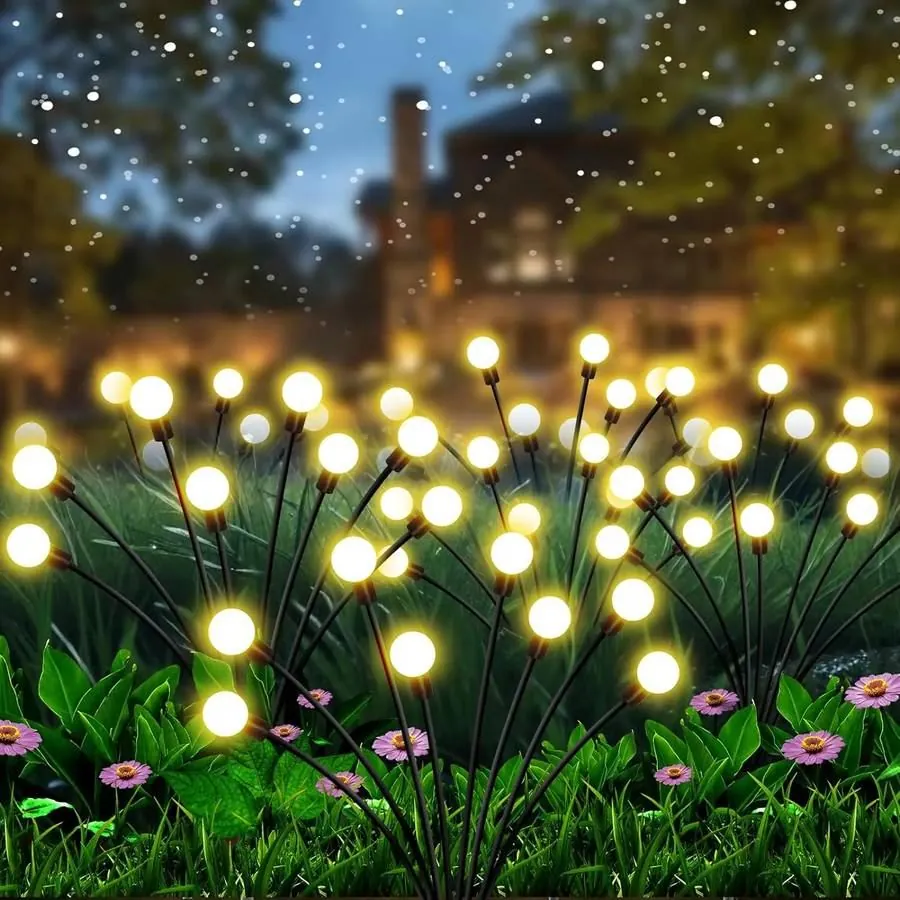
- Warm, low-output decorative lights. They ask less of the battery and look better anyway - stake lights and the wider solar range.
- Motion-activated. Only draws power when needed.
Winter care
Most of the hanging solar pieces and stake lights are fine outside all year. Check the rating before assuming - a piece rated for rain is not necessarily rated for standing water, and a base sitting in a frozen puddle is how water gets into the electronics.
If a light is going to be unused for months, switch it off. Leaving a battery to cycle flat repeatedly through winter shortens its life more than the cold does.
And clear snow off the panel — hanging pieces shed it better than flat ones. An hour of December sun through snow is worth nothing at all.
What to buy if winter matters to you
If the dark months are when you actually want the light, that changes what is worth buying.
Look for a panel you can angle, or one on a cable. Look for a stated battery capacity rather than only a run time, because run time is quoted from a full summer charge. And prefer a warm, low-output light over a bright one - it will still be going at nine in the evening when the bright one has flattened itself.
Avoid anything with a very small panel relative to its size. A large ornament with a token panel on top is a summer product whatever the description says.
And buy one and try it before buying six. Gardens vary enormously in how much winter light they actually get, and the only reliable test is the one in your own garden.
Browse solar ornaments and wall and hanging pieces, with more in the solar guide and the care guide.
The short version
- Solar ornaments do work in winter, but for a few hours rather than all night.
- Low sun angle costs more charge than short days do - tilt the panel south if you can.
- Winter shade is far larger than summer shade, so re-check where midday sun actually falls.
- A dusty panel and a two-year-old battery are the usual causes of a light that stopped.
- Separate-panel designs are the most useful feature there is in a British garden.
Frequently asked questions
Do solar garden ornaments work in winter?
Yes, but for a shorter time each night. Fewer daylight hours, a much lower sun angle and longer nights stack up, so a light that runs until dawn in June may give you a few hours after dusk in December.
Why has my solar ornament stopped lighting?
Usually a dirty panel or a worn battery. A film of dust or algae cuts output badly when there is no margin to spare, and the rechargeable cell inside most ornaments wears out after a couple of years and can be replaced.
Does cold weather stop solar lights working?
Cold reduces battery capacity slightly, but it is not the main problem. Sunlight is the limiting ingredient, not temperature, which is why placement and panel cleanliness matter far more than how cold the night gets.
Where should I put a solar ornament in winter?
Wherever midday winter sun actually reaches, which is often not where summer sun did - low sun casts long shadows, so summer-sunny spots can be shaded all day in December. Designs with the panel on a cable solve this neatly.
Which solar ornaments last longest through the night?
Those with a larger panel, a warm low-output LED, or motion activation, which stays dark until something moves. Decorative pieces meant to glow rather than illuminate ask less of the battery and cope better in midwinter.