

Quick answer: A large ornament needs viewing distance, a plain backdrop and something solid underneath. Work out where you will see it from before you choose it, allow roughly a third of the sightline in height, and set it on a slab or plinth so it neither sinks nor disappears into planting.
A large ornament is the only thing in a garden that can change the whole shape of a space. It is also the easiest thing to get wrong, because size is not really the point. Placement is.
Buy for the sightline, not the garden
Almost everyone starts with the garden's size. That is the wrong measurement.
What matters is the view you will actually see it from - usually the back door, the kitchen window or a favourite chair. A statement piece has to read from there. Stand in that spot before you buy anything, and look at where your eye naturally stops.
That stopping point is where the ornament goes. If nothing stops your eye, that is exactly the problem a statue or sculpture is there to solve.
Getting the height right
A useful rule of thumb: an ornament reads as a focal point when it takes up roughly a third of the height of what is behind it.
Against a 1.8m fence, that means something around 60cm. Against a tall hedge or a house wall, you can go considerably bigger before it looks out of scale. In a small courtyard with low planting, a 60cm piece already feels substantial.
People consistently buy too small. An ornament that looked large in a photograph, sitting on a table, disappears into a border. Measure the space, then hold up a box or a bin of roughly the right size and look at it from the house.
It needs a backdrop
This is the difference between a statement piece and clutter.
A dark, plain background is what makes a shape read - a clipped hedge, a fence panel, a wall, a mass of one plant. Put the same ornament in front of a mixed border in July and its outline vanishes into the leaves.
Evergreen backdrops work all year, which matters, because a large ornament earns most of its keep in winter when the planting has gone. The placement guide goes into this properly.
What goes underneath
The part nobody thinks about until something tips.
Anything heavy set straight onto a lawn or a border will sink, unevenly, over one wet winter. Put it on a paving slab bedded level, or a low plinth. A plinth also lifts the piece into the sightline rather than into the planting, which is often the difference between "why can't I see it" and "there it is".
Check it is level in both directions. A statue leaning two degrees looks like a mistake even when nobody can say why.
Materials, honestly
Large ornaments come in a few very different materials and they behave nothing alike.
- Cast stone and concrete - heavy, extremely stable, and porous, so they need thought about frost. The stone guide covers what that means in practice.
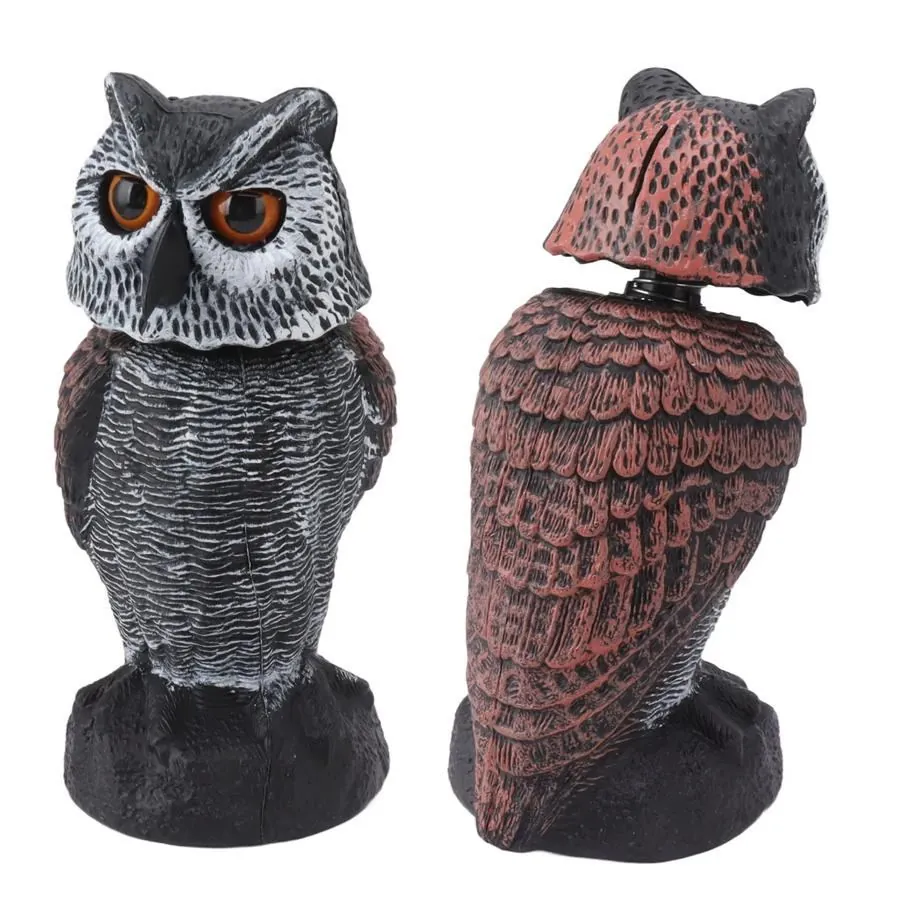
- Resin and stone-effect composites - a fraction of the weight for the same size, which is why most large pieces sold online are resin. Light enough to blow over, so they need weighting or fixing.
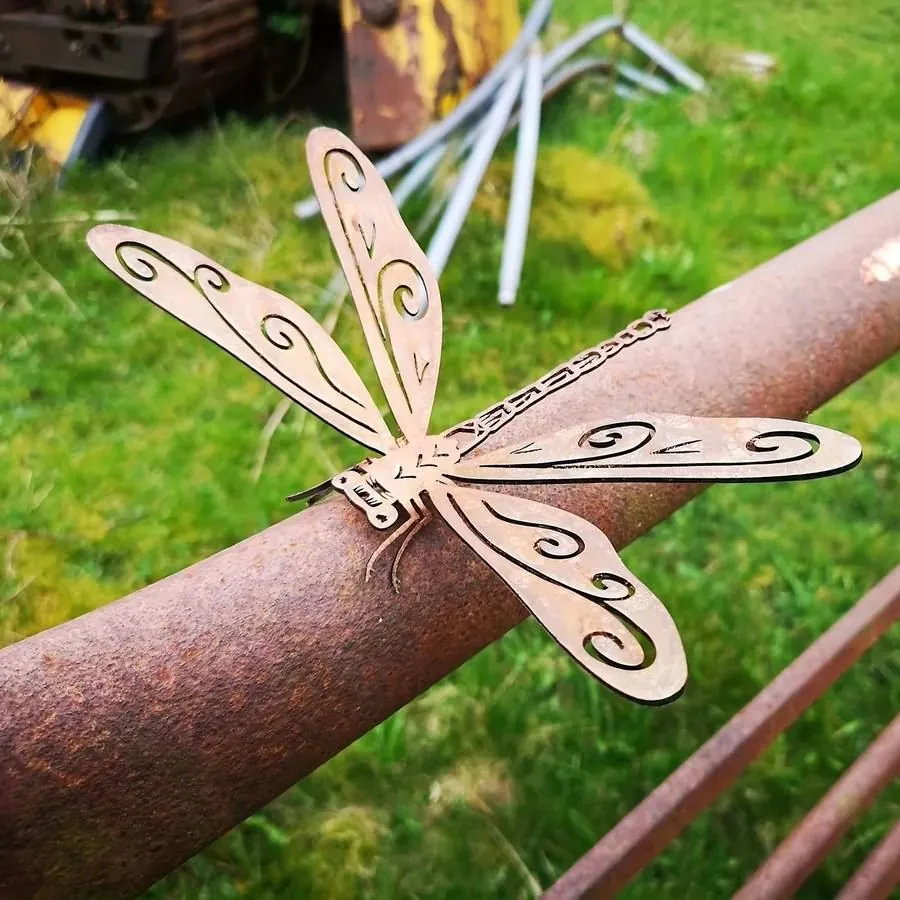
- Metal - strong at a slim profile, so it gives you height without bulk. The metal guide covers steel, iron and rusted finishes.
Be clear about which you are buying. A stone-effect resin piece is a perfectly good buy - it is easier to move, cheaper to ship and it will not crack in a freeze - but it is not stone, and anyone telling you otherwise is selling.
One, not three
The most common mistake with large ornaments is buying a second one.
A statement piece works because it is the only thing asking for attention. Add a second of similar size and they compete; add a third and you have a garden centre display. If you want more than one large piece, put them where they cannot be seen at the same time.
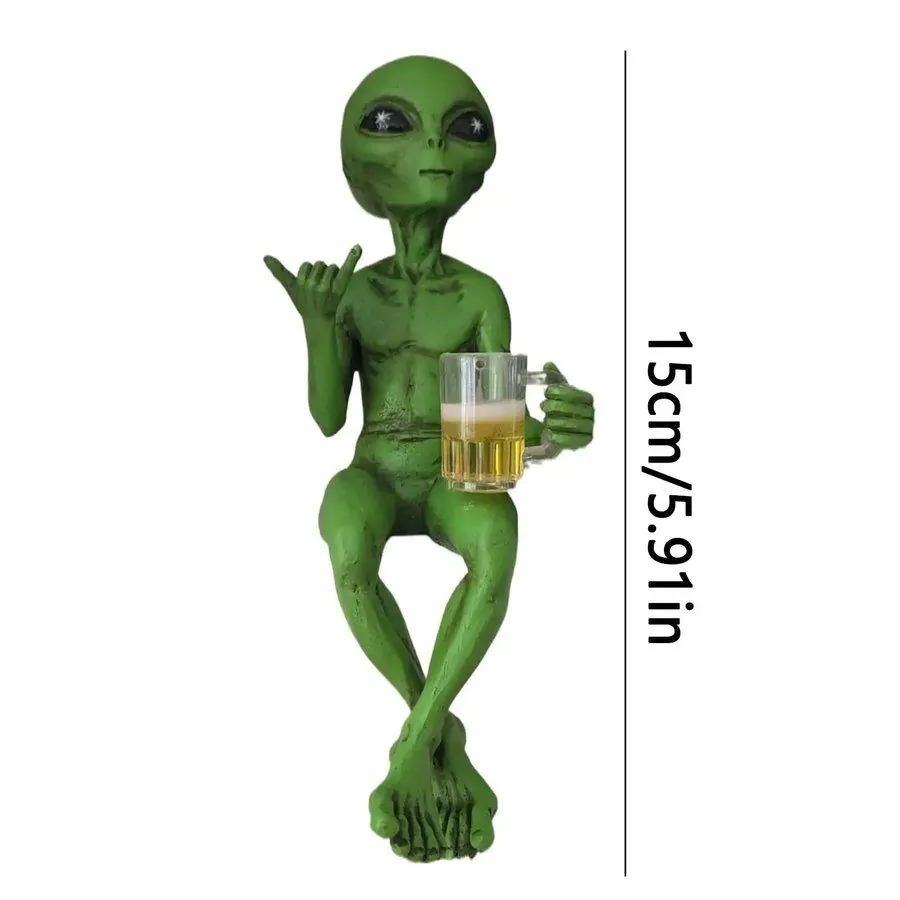
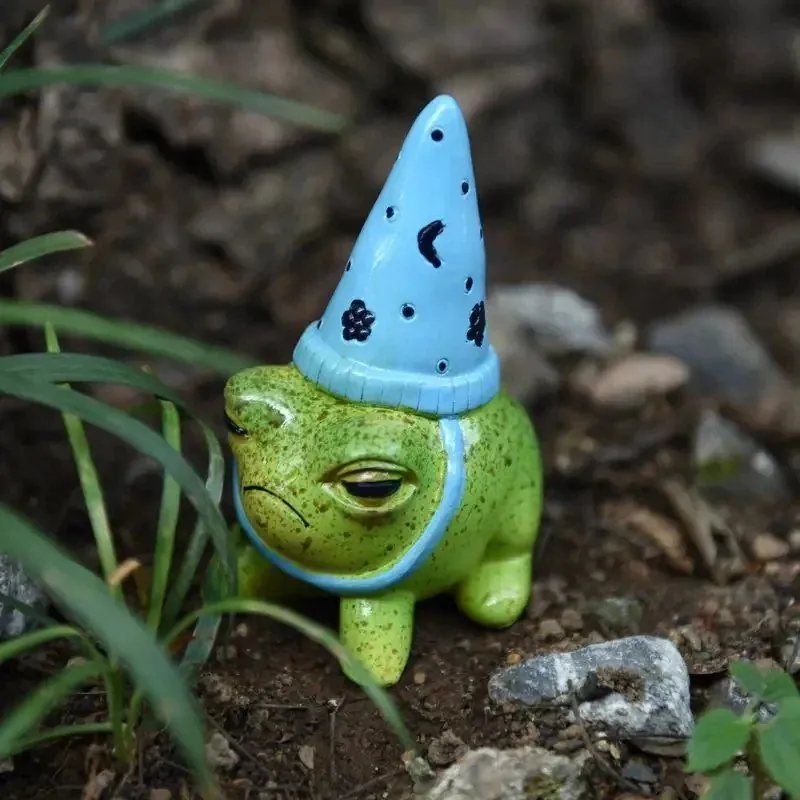
Smaller ornaments are different - those group happily. The unusual ornaments guide covers the quieter end.
Practical checks before you buy
Measure the route, and check how it arrives first. A large piece has to get from the road to the spot, which may mean through a house or down a side passage.
Check the weight and be honest about who is lifting it — the care guide covers moving heavy pieces. Position it before anything else goes in around it, because moving it afterwards means digging up the planting.
And think about winter: something large and pale in a bare garden is doing real work in February, which is when most gardens have nothing to look at.
Wind, and the thing that topples pieces
Large ornaments fail in wind far more often than they fail in frost, and it is almost always the light ones.
A tall resin piece has a big surface area and very little mass, which is the definition of a sail. Anything over about half a metre in resin or composite wants either weighting from inside, a ground spike, or a spot with something solid behind it.
Cast stone and concrete rarely blow over, but they do sink and lean, which is the slow version of the same problem. Both are solved underneath rather than on top: a bedded slab, level, with the piece sitting square on it.
If a piece has a hollow base, filling it with sand or gravel before you position it costs nothing and settles the question. Do that before you carry it into place rather than after.
Browse statues and sculptures, modern and contemporary pieces and vintage and rustic, or start with the complete guide. Free UK delivery over £20.
The short version
- Choose the spot from where you will actually see it, not from the garden's size.
- An ornament reads as a focal point at roughly a third the height of what is behind it.
- A plain, ideally evergreen backdrop is what makes a large shape legible.
- Set it on a bedded slab or plinth, level in both directions, so it cannot sink or lean.
- One statement piece per sightline - a second one competes with the first.
Frequently asked questions
How big should a garden statue be?
Work from what is behind it rather than the garden's overall size. A piece around a third of the height of the fence, hedge or wall behind it reads as a focal point. Against a 1.8m fence that means roughly 60cm.
Where should I put a large garden ornament?
Where your eye already stops when you look out from the house, the back door or your usual seat. It also needs a plain backdrop, ideally evergreen, or its outline disappears into a mixed border by midsummer.
Do large garden ornaments need a base?
Yes. Anything heavy set straight onto soil or lawn will sink unevenly over a wet winter. Use a paving slab bedded level or a low plinth, which also lifts the piece into the sightline rather than into the planting.
Are large resin ornaments any good?
For most gardens, yes. Resin gives you the same size at a fraction of the weight, ships more cheaply and will not crack in a freeze. It is light enough to blow over, though, so it needs weighting or fixing down.
Can I have more than one statement piece?
Only if they cannot be seen at the same time. A statement ornament works because it is the only thing asking for attention, so a second of similar size in the same view competes with it rather than adding to it.