

Quick answer: Brush it dry first, then wash with plain water and a stiff brush, working bottom to top. Keep pressure washers, wire brushes and bleach away from it: all three open up the surface so it soaks up more water and greens over faster next time.
Forty years working stone, and the damage I have seen has almost never been the weather. It has been people cleaning it.
Understand what you are cleaning
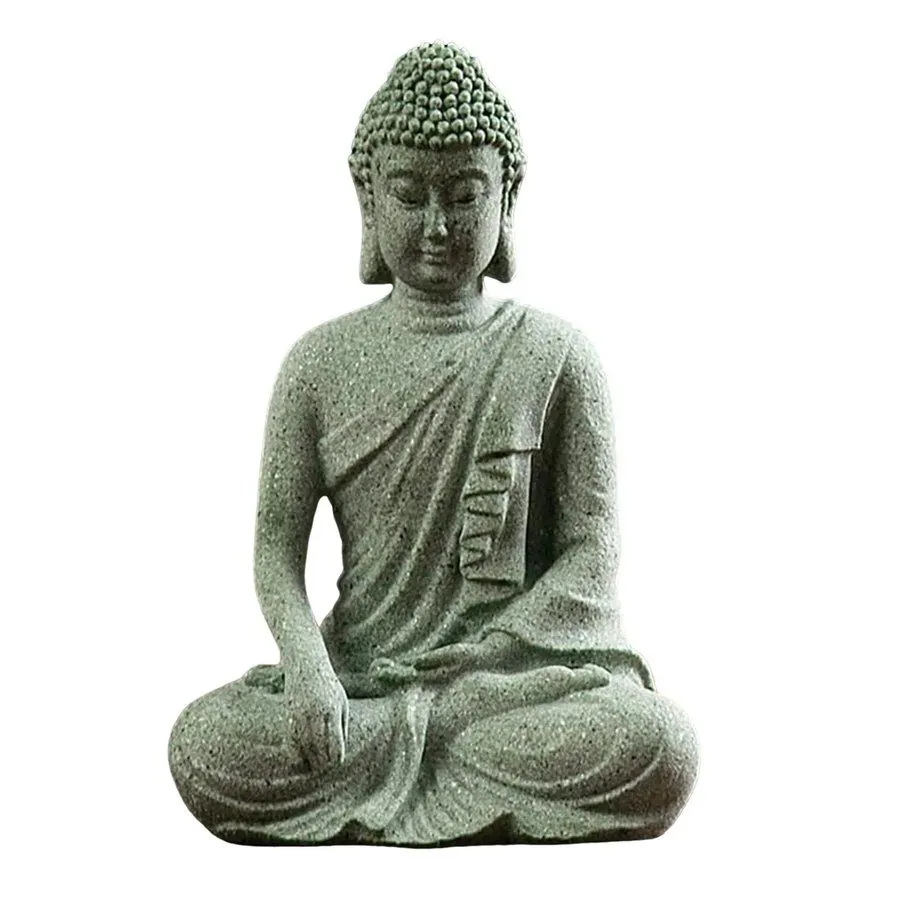
Cast stone, concrete and sandstone — the materials behind most of the stone-look pieces — are porous. Water moves into the surface, and everything that follows - algae, staining, frost damage - follows from that.
Anything that roughens or erodes the surface increases the pore size, which means more water goes in, which means it greens faster and holds more water to freeze. That is why aggressive cleaning makes the next year worse.
Resin and stone-effect pieces are the opposite: sealed, non-porous, and much easier. Check which you have before you start - the stone guide covers telling them apart, and the materials guide compares them.
The method
- Brush it dry first. A stiff bristle brush takes off loose growth, dust and leaf litter. Doing this dry saves you turning it all into a paste.
- Wet it with plain water. A hose on a normal spray, or a bucket.
- Work bottom to top. Counter-intuitive and important - cleaning downwards runs dirty water over dry porous stone and leaves streaks that are hard to shift.
- Scrub with a stiff bristle brush. Never wire. An old washing-up brush is ideal for detail.
- Rinse thoroughly, top down this time.
- Let it dry completely before deciding whether it needs anything more. Wet stone looks far dirtier than it is, and a lot of people do a second unnecessary round on a piece that was already clean.
For most ornaments that is the whole job, once a year, in spring.
What not to use
A pressure washer. The single most common way people ruin cast stone. It strips the outer skin, exposes the aggregate, blurs fine detail permanently and roughens the surface so it greens faster afterwards. There is no way to undo it.
Wire brushes. Same problem, plus they leave steel particles behind that rust into orange spots.
Bleach and strong household cleaners. They can bleach the stone itself unevenly, and the run-off goes into your borders.
Acids. Brick cleaner and patio acids will etch limestone and cast stone quickly.
Green film and lichen
Worth separating the two, because they are different problems.
Green algae is surface-level, comes off with a brush and water, and returns wherever it is damp and shaded. If it keeps coming back fast, the answer is usually more air and light rather than more scrubbing - lift the piece slightly, cut back overhanging planting.
Lichen is the crusty grey-green growth that grips hard. It takes years to establish and it is doing no harm. On an older piece it is most of what makes it look established, and taking it off leaves a raw new-looking surface. I would leave it.
If you want to reduce regrowth, a proprietary patio or stone cleaner used at the stated dilution and rinsed well is a gentler route than bleach. Wet the piece first so it absorbs less of the product.
Stains
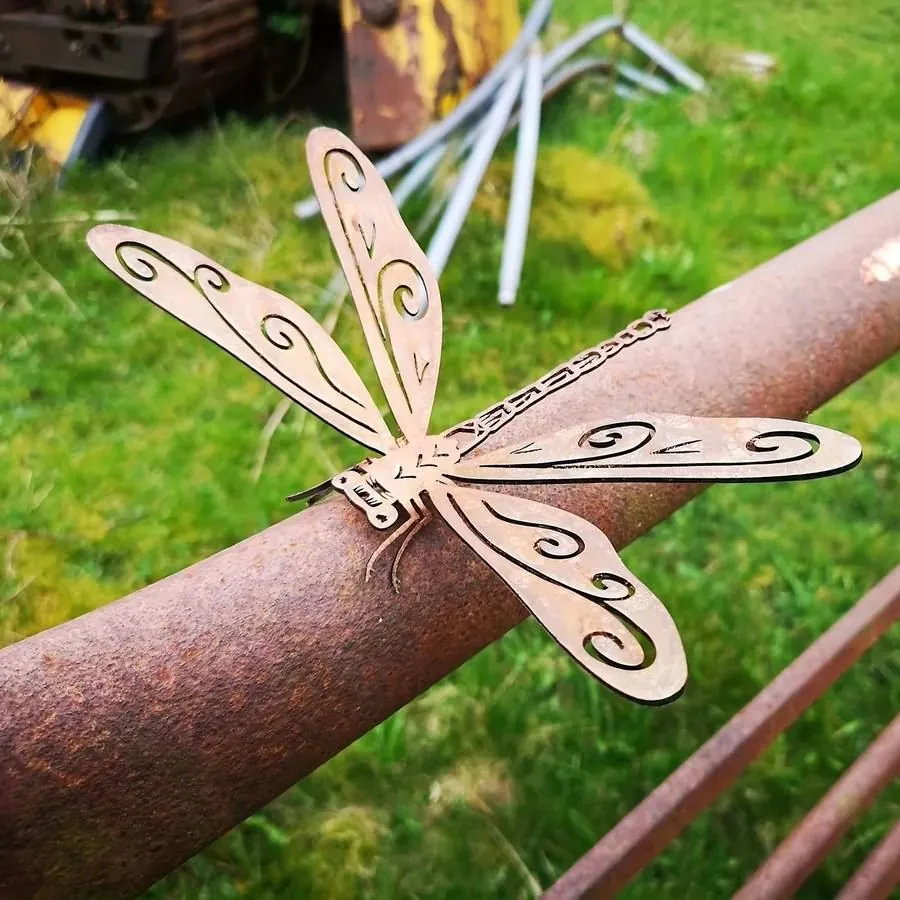
Orange rust marks come from something metal — a fixing, a nearby tool, or a wire brush. On deliberately rusted pieces that run-off is expected. Remove the source first or it comes straight back.
White powdery bloom is efflorescence: salts drawn out of the concrete or cast stone as it dries. It is harmless and usually weathers off within a year or two. Brush it dry - washing it just dissolves the salts back into the surface.
Dark patches are often just damp, from a spot that never dries — the complete guide covers siting. That is a placement problem rather than a cleaning one.
Do not seal it on a whim
Sealants get recommended a lot. They can help, but a sealant applied to a damp piece traps moisture inside, and trapped moisture is exactly what causes frost damage.
If you do seal, do it on a thoroughly dry piece in settled weather, use a breathable product intended for masonry, and accept that it will need redoing.
Honestly, for most garden ornaments, good placement does more than sealing: off the ground, out of standing water, somewhere air moves. The care guide covers the year-round routine and the statues range shows what the finishes look like new.
How often, and when
Once a year is plenty for most pieces, and spring is the right time.
Cleaning in autumn is a mistake people make with good intentions: a freshly scrubbed porous surface goes into winter more absorbent than it was, and absorbed water is what does frost damage. Let it go through the cold months as it is, and tidy it up when the weather settles.
The exception is anything sitting under a tree, where leaf litter and sap build up faster. Brushing that off in autumn is worth doing, dry, without water.
And keep expectations sensible. A garden ornament is supposed to look weathered. A piece cleaned back to showroom condition every year looks oddly new in a way that rarely suits a garden.
Browse statues and sculptures and vintage and rustic pieces, or read the unusual ornaments guide.
The short version
- Brush dry first, then wash with plain water and a stiff bristle brush - never wire.
- Work bottom to top, or dirty water runs over dry stone and leaves streaks.
- A pressure washer permanently strips the surface and makes it green over faster.
- Leave lichen: it grips hard, does no harm, and it is what makes a piece look established.
- Only seal a thoroughly dry piece - sealing damp stone traps the water that causes frost damage.
Frequently asked questions
Can I pressure wash a stone garden ornament?
No. It strips the outer skin, exposes the aggregate underneath and blurs fine detail permanently. It also roughens the surface, so the piece absorbs more water and greens over faster afterwards. The damage cannot be undone.
What is the best way to clean a stone ornament?
Brush it dry with a stiff bristle brush, wet it with plain water, then scrub from the bottom upwards and rinse from the top down. Let it dry fully before judging the result, since wet stone always looks dirtier than it is.
How do I remove green algae from garden ornaments?
A stiff brush and plain water removes it, since it is only surface deep. If it returns quickly the answer is more light and air rather than harder scrubbing - lift the piece clear of the ground and cut back overhanging planting.
Should I remove lichen from a stone ornament?
Generally no. Lichen takes years to establish, does no harm to the stone, and is most of what makes an older piece look settled. Removing it leaves a raw, new-looking surface that takes a long time to recover.
What is the white powder on my concrete ornament?
Efflorescence - salts drawn out of the concrete as it dries. It is harmless and usually weathers away within a year or two. Brush it off dry rather than washing it, since water dissolves the salts back into the surface.