
Quick answer: Traditional pieces are representational and textured; contemporary ones are abstract, geometric and smooth. Take the cue from the house rather than from taste, and if you want to mix them, keep one style dominant and let the other appear only once or twice.
People ask which is better. Neither is, but a garden that cannot decide reads as an accident, and that is worth avoiding.
What actually separates them
It is less about age than about how much the piece is pretending to be something.
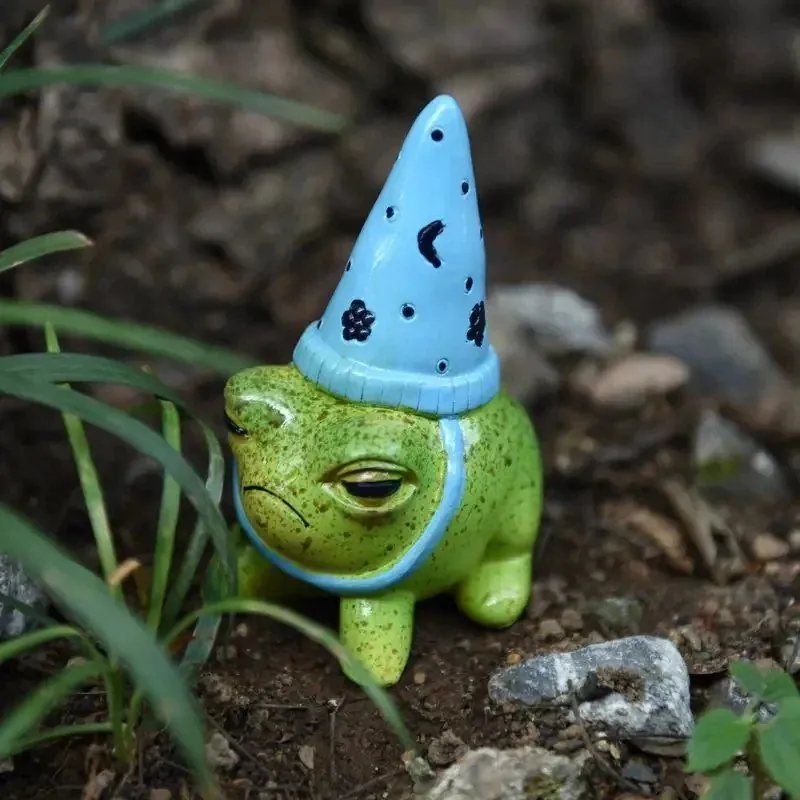
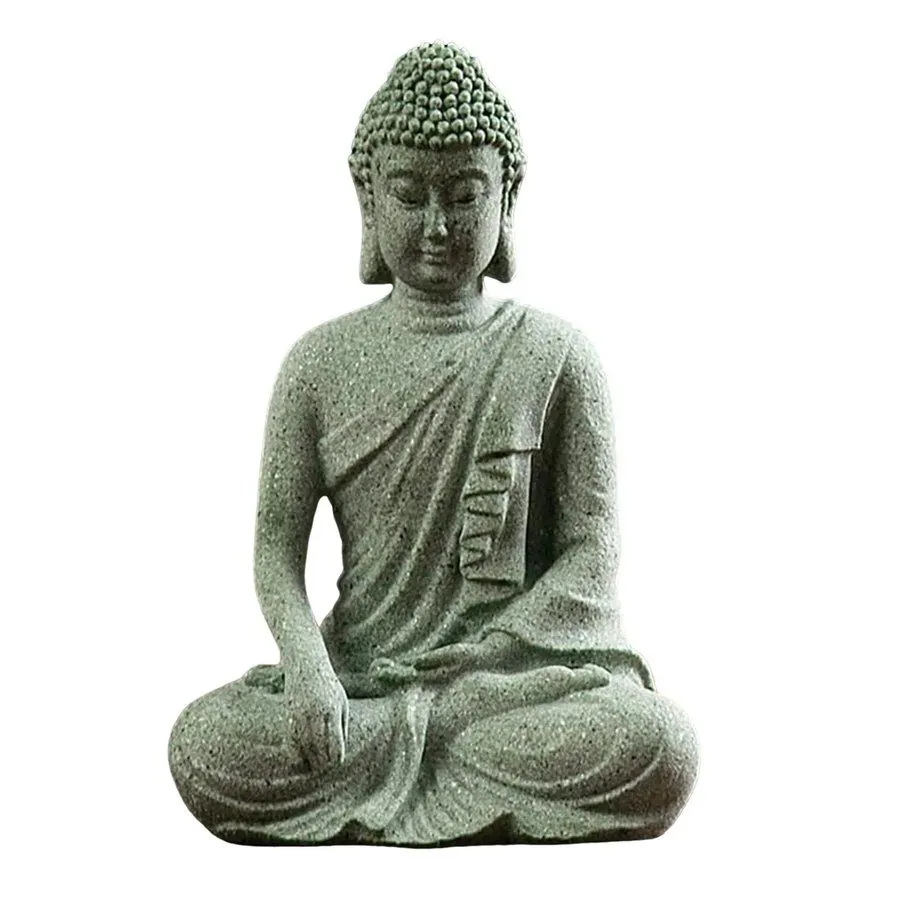
Traditional ornaments represent things - animals, figures, urns, classical shapes. Surfaces are textured, edges are softened, and the finish is meant to look aged from the day it arrives.
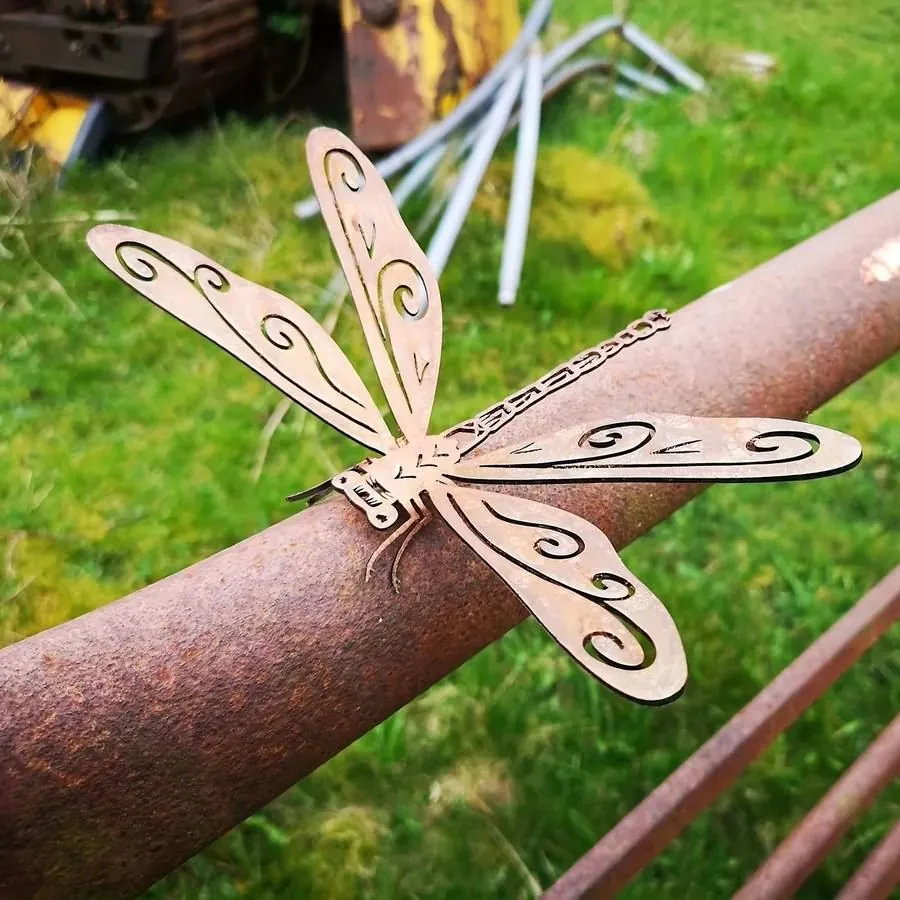
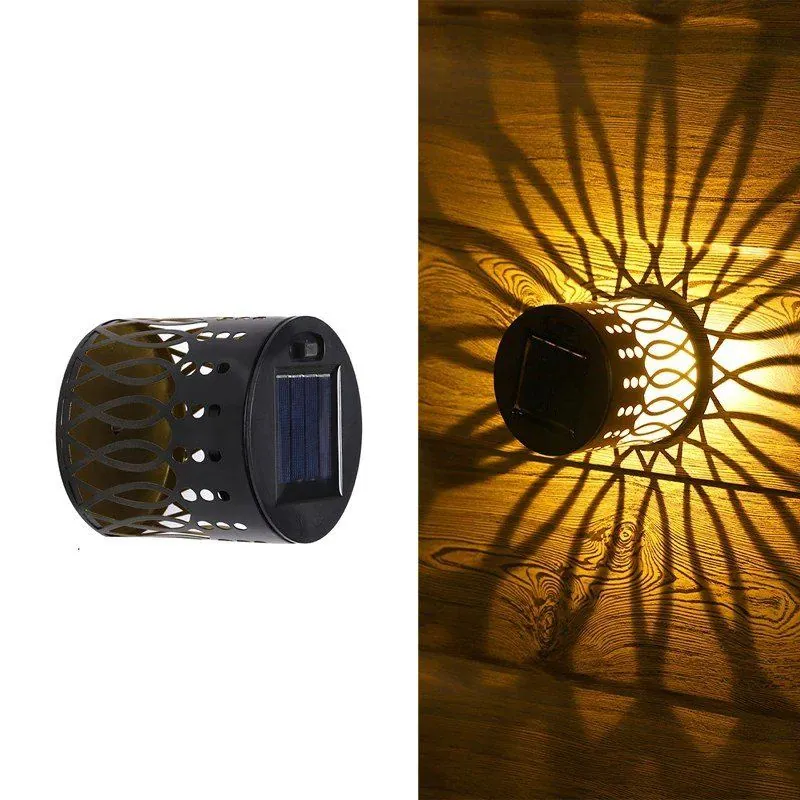
Contemporary pieces are abstract or heavily simplified. Spheres, cubes, curved forms, silhouettes cut from sheet metal. Surfaces are smooth or uniformly textured, edges are crisp, and the finish is meant to look new.
A stone-effect animal and a polished sphere are doing opposite things: one is imitating nature, the other is deliberately not.
Let the house decide
The most reliable rule, and it removes most of the agonising.
A garden is seen against the building for most of the year, so a piece that argues with the house never quite settles. Brick, stone, cottage frontages and older houses carry traditional pieces easily. Render, large glazing, flat roofs and newer builds carry contemporary ones.
That is not a law - plenty of Victorian houses have a sharply modern garden, and it works. But it works because someone committed to it, not because the styles happened to be mixed.
Traditional: what it does well
It is forgiving. A weathered figure or an urn looks better as it ages, gathers lichen and settles into planting, so time is on your side.
It also suits mixed, informal planting, which is what most British gardens actually have. A traditional piece surrounded by a full cottage border looks correct in a way a polished sphere would not.
And it carries meaning more comfortably - memorial and remembrance pieces are almost all traditional in form, for good reason. The memorial corner guide covers that.
Its weakness is that badly made traditional pieces look worse than badly made modern ones. A poor casting of a face is obvious; a poor casting of a sphere is just a sphere.
Contemporary: what it does well
Structure. A geometric piece holds a garden together in winter when everything else has gone, because the shape does not depend on planting to make sense.
It also suits small and formal spaces, where a strong simple shape reads clearly and a detailed figure would look fussy - the small garden guide covers that.
And it photographs well, which is not a trivial point given how gardens get shared now.
Its weakness is that it does not improve with age. A modern piece looks best when clean and new, and algae or fading works against it rather than for it - the opposite of the traditional case in the stone cleaning guide.
Mixing them without it looking accidental
You can, and the rule is proportion.
Pick one style to be dominant - say eighty per cent - and let the other appear once or twice as a deliberate contrast. That reads as a choice. A fifty-fifty split reads as indecision.
Two things make a mix hold together:
- A shared material. A traditional figure and a modern sphere both in weathered metal look related, whatever their shapes are doing.
- A shared colour. Same trick, different lever - all rusted, all pale, all dark.
The focal point guide covers keeping one piece dominant in a view.
Where each style comes from, materially
Traditional pieces tend to be cast - resin or cast stone - because casting is what reproduces detail. The resin guide covers what that means for care.
Contemporary pieces tend to be fabricated - cut, welded, formed sheet metal - because that is what gives clean edges and simple forms. The weathering steel guide covers the most common finish, and the metal guide the rest.
Which means the style choice quietly brings a maintenance choice with it: cast pieces mostly fade, fabricated pieces mostly corrode or stay as they are.
Deciding, practically
Stand at the back door and look at the house, not the garden. Note the dominant material and whether the lines are straight or irregular.
Then look at your planting. Formal, clipped and repeated suits contemporary. Loose, mixed and seasonal suits traditional.
If the two answers disagree, follow the planting - it is what surrounds the ornament at close range.
The middle ground
There is a third category that solves this for a lot of people, and it does not get named often enough.
Simplified natural forms - a hare reduced to its outline, a bird with no feather detail, a leaf shape cut from sheet metal - are representational enough to feel warm and abstract enough to look current. They sit comfortably against almost any house.
If you like traditional subjects but have a modern house, or the reverse, that is usually where to look first.
Browse modern and contemporary pieces, vintage and rustic and statues and sculptures, with more in the complete guide and the unusual ornaments guide.
The short version
- Traditional pieces represent things and are textured; contemporary ones are abstract and crisp.
- Take the cue from the house, which the garden is seen against all year.
- Traditional improves with age and lichen; contemporary looks best clean and new.
- To mix them, keep one style at about eighty per cent and let the other be a deliberate contrast.
- A shared material or colour holds a mixed collection together when the shapes do not.
Frequently asked questions
What is the difference between contemporary and traditional garden ornaments?
Traditional pieces represent something - an animal, a figure, an urn - with textured surfaces and softened edges meant to look aged. Contemporary pieces are abstract or simplified, with crisp edges and finishes meant to look new.
Which style suits my garden?
Take the cue from the house, since the garden is seen against it for most of the year. Brick, stone and older frontages carry traditional pieces easily, while render, large glazing and newer builds suit contemporary ones.
Can I mix modern and traditional ornaments?
Yes, but keep one style dominant at roughly eighty per cent and let the other appear once or twice as a deliberate contrast. A fifty-fifty split reads as indecision rather than as a choice.
How do I make a mixed collection look intentional?
Share a material or a colour across the pieces. A traditional figure and a modern sphere both in weathered metal look related whatever their shapes are doing, and the same works if everything is pale, dark or rusted.
Do modern ornaments age well?
Less well than traditional ones, which is worth knowing. A geometric piece looks best clean and new, so algae and fading work against it, whereas a traditional figure gains character from exactly the same weathering.