
Quick answer: Fading is UV damage, so shade does more than any product. Reds and yellows go first, blues and greens last longer, and dark colours show the loss most. A clear exterior UV sealant reapplied every year or two slows it considerably.
People assume rain is what wrecks a painted ornament. It is not. It is light, and that changes entirely where you decide to put things.
What fading actually is
Ultraviolet light breaks down the chemical bonds in pigment. The colour is not washing off - it is being destroyed in place.
Which means rain, frost and wind are largely irrelevant to fading. A piece under cover in full sun fades faster than a piece out in the rain in shade.
It also means the damage is cumulative and permanent. There is no restoring faded pigment; you can only repaint over it.
Which colours go first
Consistently, and it is worth knowing before you buy.
Reds and oranges fade fastest by a clear margin. This is why robin breasts and red toadstool caps lose their punch first.
Yellows follow closely.
Blues and greens hold on considerably longer.
Blacks and dark colours do not fade so much as go chalky and grey, and because there is more contrast to lose, the change is very visible.
Whites and creams hide fading well but show dirt and algae instead, which is a different maintenance job.
So a red-and-white spotted toadstool is the worst case: the red fades and the white greys, and it happens in the same seasons.
Placement does more than product
The most effective and cheapest intervention.
Somewhere with dappled shade, or overhead cover from a shrub, a tree or the edge of a roof, dramatically extends how long colour lasts. North-facing positions are better still.
South-facing, open, all-day sun is the harshest place in the garden for a painted piece, and it is where people usually put their best ornament.
Rotating pieces occasionally also helps - it spreads the exposure rather than bleaching one face while the back stays fresh.
Sealing
A clear exterior UV-resistant sealant over the paint is genuinely worth doing on anything you care about.
Get the method right or it does more harm than good:
- Clean the piece - a soft brush and water, no solvents on painted detail.
- Let it dry completely. Sealing a damp ornament traps moisture underneath, which lifts paint from below.
- Choose the right product - clear, exterior, UV-resistant, and matt or satin unless you want it glossy. Test on the underside first.
- Thin coats. Two or three light passes rather than one heavy one, which pools in detail and yellows.
- Reapply every year or two, before the previous coat has visibly gone.
Do it in dry settled weather. The resin guide covers the material underneath.
Touching up a faded piece
Perfectly doable, and it makes an old ornament look cared for rather than tired.
Clean and dry it thoroughly first. Use exterior acrylic paint, which sticks well to resin and is easy to work with. Build up thin layers rather than one thick coat, which fills detail and looks heavy.
The trick to a natural result is not painting everything. Leave the recesses darker than the raised surfaces - real objects are darker where light does not reach, and a uniformly repainted ornament looks flat and toy-like.
Then seal it, or you will be doing it again in two summers.
Buying with fading in mind
A few things predict how well a piece will hold up.
Colour through the material beats surface paint. Pieces cast in a coloured resin fade far more slowly, because there is pigment all the way through rather than a skin on top.
Multi-layer finishes outlast a single thin spray. Look at how the colour sits in the recesses.
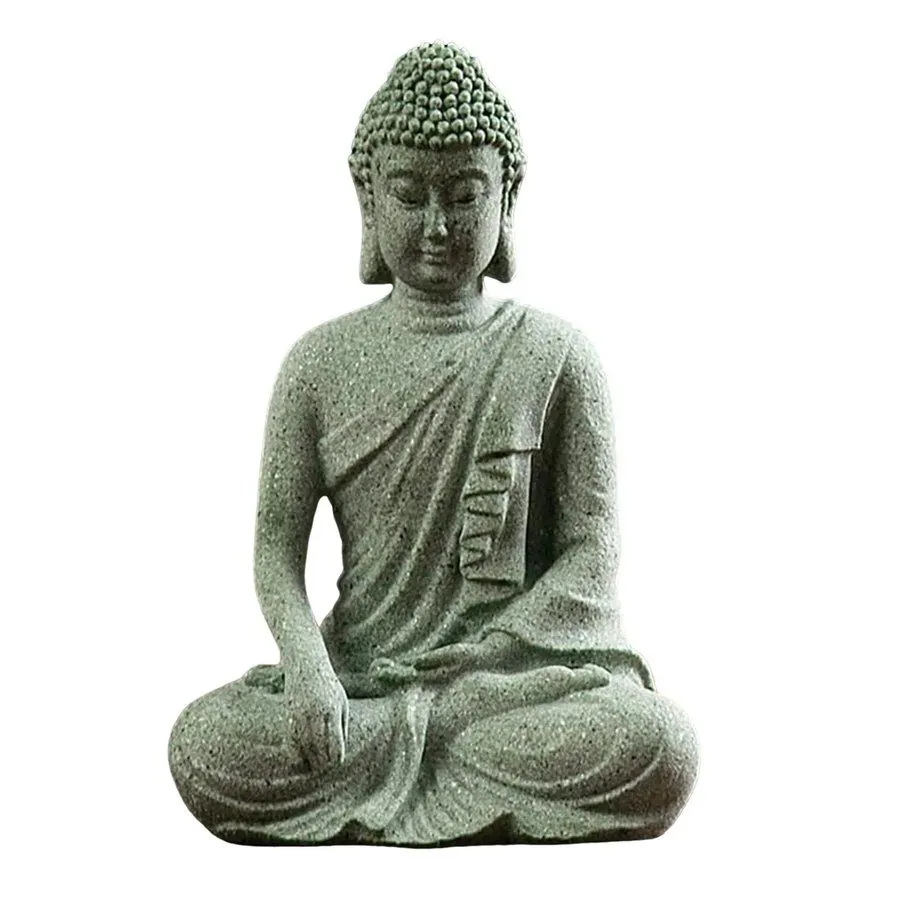
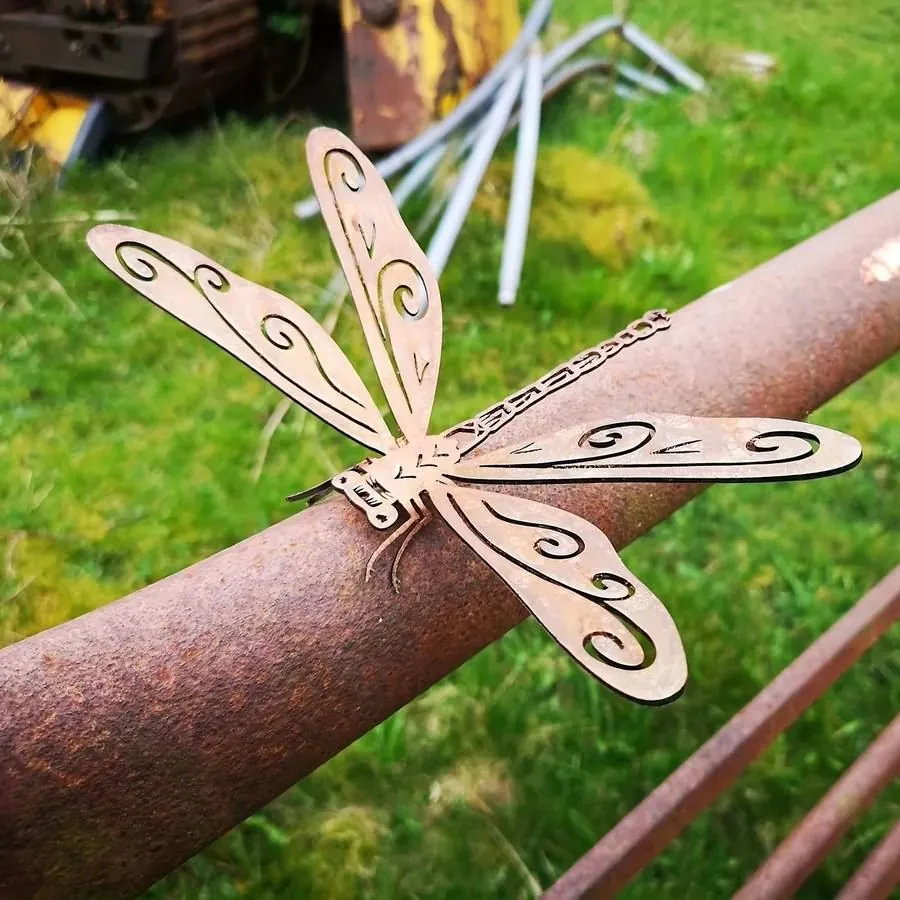
Materials that do not depend on colour at all sidestep the problem - metal, weathering steel and cast stone all change with age rather than degrade. The stone guide covers looking after those.
Or let it happen
Worth saying. A gently faded ornament in a garden of grasses and weathered timber often looks better than a bright new one.
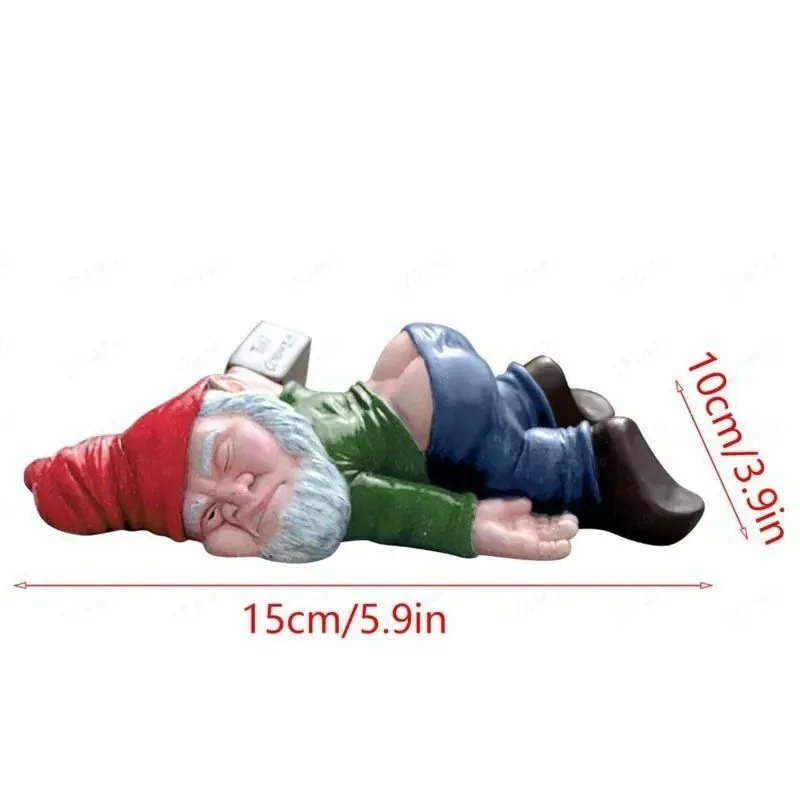
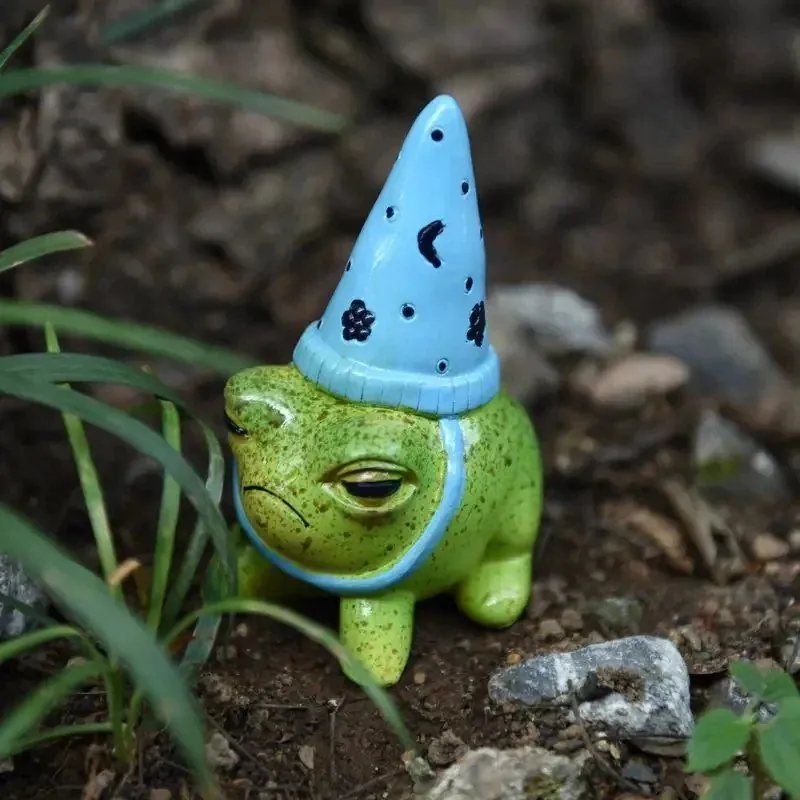
The pieces worth protecting are the ones where colour is the point - a robin, a gnome, a painted character. The rest can be allowed to soften, and most of them improve for it.
How long you should expect
Setting expectations honestly, because "it faded" is usually "it did what it was always going to do".
A painted resin piece in full south-facing sun will look noticeably duller after two or three summers. The same piece in dappled shade, sealed once a year, can hold up for many years.
That is a big difference for something that costs nothing to arrange, and it is why placement is the first decision rather than the last one.
Browse resin ornaments, gnomes and characters and vintage and rustic pieces, with more in the care guide and the materials guide.
The short version
- Fading is UV damage, not rain - a sheltered sunny spot fades faster than a wet shaded one.
- Reds and oranges go first, yellows next; blues and greens hold on much longer.
- Dappled shade or overhead cover extends colour life more than any product does.
- Seal only a thoroughly dry piece, in thin coats, and reapply every year or two.
- When touching up, leave the recesses darker or the piece looks flat and toy-like.
Frequently asked questions
What causes garden ornaments to fade?
Ultraviolet light breaking down the pigment, not rain. The colour is being destroyed in place rather than washed off, which is why a piece under cover in full sun fades faster than one out in the rain in shade.
Which colours fade fastest outdoors?
Reds and oranges by a clear margin, with yellows close behind. Blues and greens hold on considerably longer, and dark colours go chalky rather than pale, which is very visible because there is more contrast to lose.
Does sealing an ornament stop it fading?
It slows it considerably. Use a clear exterior UV-resistant sealant on a thoroughly dry piece, in two or three thin coats rather than one heavy one, and reapply every year or two before the previous coat has visibly gone.
How do I repaint a faded garden ornament?
Clean and dry it, then build up thin layers of exterior acrylic. The trick is not to paint everything - leave the recesses darker than the raised surfaces, or a uniformly repainted piece looks flat and toy-like.
Which ornaments do not fade?
Anything that does not depend on paint. Metal, weathering steel and cast stone change with age rather than degrade, and pieces cast in coloured resin fade far more slowly than those with colour sprayed on the surface.