
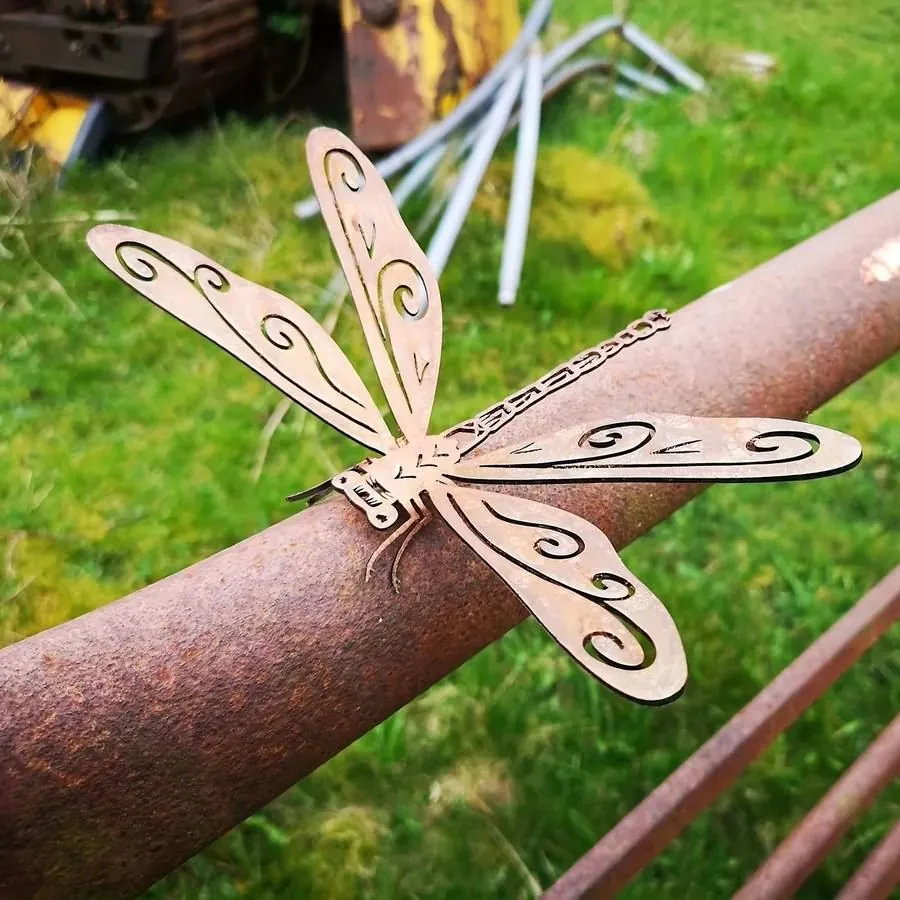
Quick answer: First work out which metal you have. Weathering steel is supposed to rust and should be left alone. Ordinary or painted steel needs the rust removed back to sound metal, a rust-inhibiting primer and a topcoat - and standing water stopped, which is what caused it.
The first question is not how to stop the rust. It is whether the rust is a fault at all.
Three different metals, three different answers
Weathering steel is alloyed to form a tight, stable rust layer that then protects the metal underneath. It is supposed to look like that, and sealing or painting it is the wrong move - the corten guide covers it in full.
Ordinary or mild steel, usually painted or powder-coated, is not. Rust here means the coating has failed somewhere and water has got to the metal. Left alone it will keep going until there is a hole.
Aluminium, stainless and non-ferrous metals, which turn up across the wall and hanging range, do not rust at all. Aluminium goes chalky and dull, and stainless can spot in salty or coastal air, but neither is rusting in the way steel does.
Tell them apart with a magnet: it sticks to steel and not to aluminium. Then rub the rust - weathering steel gives fine dust and a tight surface, failing steel flakes away in sheets and pits.
Stopping rust on ordinary steel
Doing it properly is the only version that lasts. Painting over rust simply hides it while it continues underneath.
- Remove the rust back to sound metal. A wire brush, abrasive pad or emery paper. Keep going until what is left is bright and hard, not brown and soft.
- Clean and dry it completely. Any dust or damp left behind is under everything you do next.
- Prime it. A rust-inhibiting metal primer. Do not skip this - a topcoat straight onto bare steel fails within a season.
- Topcoat. Exterior metal paint, two thin coats rather than one thick one.
- Check the underside and the base. Nine times out of ten that is where it started, and it is the bit everyone leaves.
Do it in dry settled weather. Paint applied over damp metal traps the moisture in with it — the same mistake the resin guide warns about with sealants.
Fix the cause, not just the rust
Otherwise you will be doing it again next year.
Standing water is the usual culprit. A base sitting in a puddle, a hollow that collects rain, a spot that never dries. Raise the piece slightly - even a couple of stone chips underneath - so water drains away and air gets round it.
Contact with soil. Anything pushed into a border stays permanently damp at the soil line, which is exactly where stakes rust through and snap.
Trapped debris. Leaves collecting in a crevice hold water against the metal for weeks.
Chipped coating. A powder-coated piece is fine until something knocks it. Touch chips up as they appear rather than waiting.
Encouraging rust deliberately
If you have plain steel and you want the rusted look, it is the same process in reverse.
Remove any coating or oil so the bare metal is exposed, then wet it and let it dry, repeatedly. Wet-then-dry cycles drive oxidation far faster than constant damp does.
Two warnings. On ordinary steel this is genuine corrosion, not a protective patina - it will keep going, so it suits thick pieces and not thin ones. And the run-off will stain paving underneath, badly and permanently, so keep it on gravel or soil.
The metal ornaments guide covers the finishes available, and the metal and rusty range shows how they look.
Coastal and hard-water gardens
Salt air accelerates corrosion considerably, and it reaches surprisingly far inland on an exposed coast.
In those gardens, choose aluminium, stainless or a thoroughly powder-coated piece from the rustic range rather than plain steel, and rinse ornaments with fresh water occasionally to take the salt off. It sounds fussy and it doubles the life of things.
What not to do
Do not use a wire brush on anything decorative and fine - it removes detail along with the rust, and leaves steel particles that rust into new orange spots.
Do not use household bleach on metal. Do not paint weathering steel. And do not seal a piece that is still damp, which locks the water in where you cannot get at it.
Buying to avoid the problem
Most rust maintenance is avoidable at the point of purchase, which is cheaper than doing it afterwards.
For anything staying out permanently, powder-coated steel, aluminium or weathering steel all avoid the paint-chip-rust cycle that plain painted steel gets into. Powder coating is far tougher than a sprayed finish, though it is still worth touching up chips promptly.
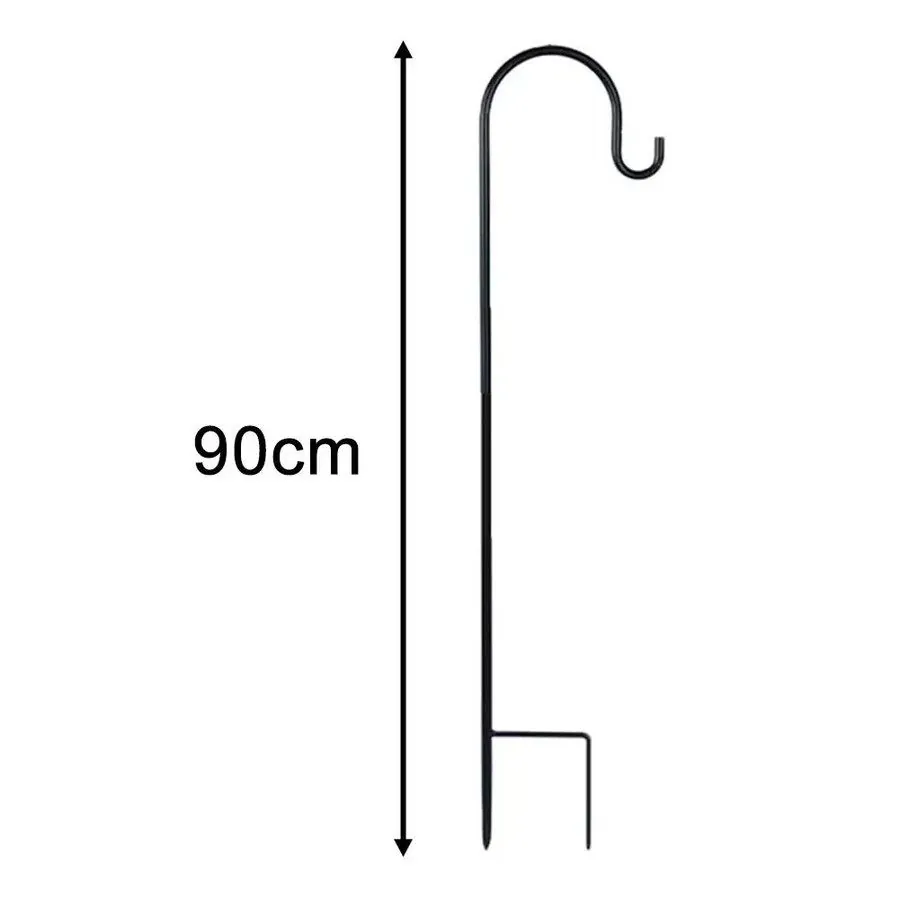
Check how a piece meets the ground. A flat foot that sits in water is worse than a spike, and a spike is worse than a foot on a small pedestal. Anything designed to be pushed into soil will eventually fail at the soil line, so treat that as a consumable part rather than a fault.
And look at where two materials meet. Fixings, screws and joints are where corrosion starts on otherwise sound pieces, and a stainless fixing in a steel piece is worth the small extra at the outset. The metal range covers the finishes available.
There is more in the care guide and the materials guide, and the stone cleaning guide covers the other common material.
The short version
- Work out the metal first - weathering steel should be left alone, plain steel should not.
- A magnet sticks to steel and not aluminium; flaking sheets mean failure, fine dust means patina.
- Painting over rust hides it while it continues - go back to bright, hard metal first.
- Fix the cause: standing water, soil contact, trapped leaves or a chipped coating.
- Deliberate rusting on plain steel is real corrosion and will stain paving permanently.
Frequently asked questions
Should I stop my metal garden ornament rusting?
It depends on the metal. Weathering steel forms a stable rust layer that protects the metal underneath and should be left alone. Rust on ordinary or painted steel means the coating has failed and will continue until there is a hole.
How do I tell weathering steel from ordinary steel?
Rub the surface firmly. Weathering steel gives fine dust and stays tight, while failing steel flakes away in sheets and shows pitting. A magnet sticks to both, so use it only to rule out aluminium, which does not rust.
How do I treat a rusty steel ornament?
Take the rust back to bright hard metal with a wire brush or abrasive pad, clean and dry it fully, apply a rust-inhibiting primer, then two thin coats of exterior metal paint. Do the underside and base, where it usually started.
What causes garden ornaments to rust?
Standing water, almost always. A base sitting in a puddle, a hollow that collects rain, or a stake pushed into permanently damp soil. Trapped leaves and chipped powder coating are the other two common causes.
How do I make a steel ornament rust on purpose?
Remove any coating or oil, then wet it and let it dry repeatedly, since wet-then-dry cycles drive oxidation fastest. Be aware this is genuine corrosion on plain steel, and the run-off stains paving permanently.