

Quick answer: In a genuinely dark corner, use a design where the panel is on a cable so the panel sits in sun and the ornament sits in shade. Failing that, choose motion-activated lights, which stay dark until needed and so run for far longer on the same small charge.
The dark corner is the classic solar problem, and it has an obvious contradiction in it: the place you most want light is the place with least sun to charge it.
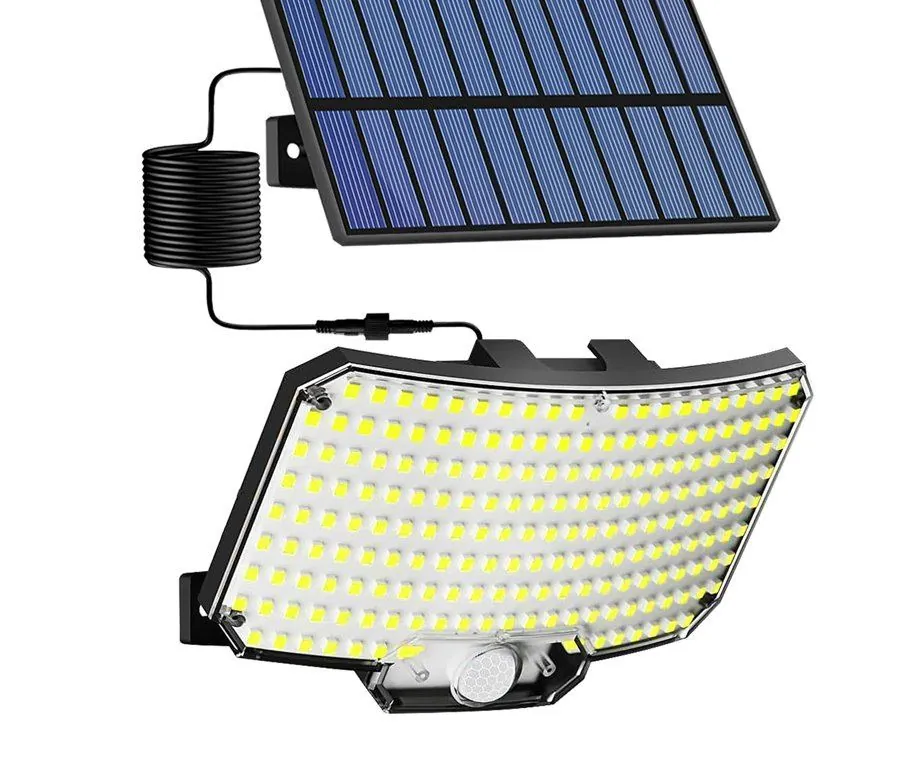
Separate the panel from the light
This is the answer, and it is the feature worth paying for.
Plenty of solar lights put the panel on a length of cable rather than on top of the fitting. That lets you screw the panel to a sunny fence top or shed roof and put the light itself under the tree, in the alley, behind the shed - anywhere with no sun at all.
If you take one thing from this: in a British garden, a separate panel is the single most useful specification there is. All-in-one units are simpler and much more limited.
Work out where the sun actually is
Before deciding a corner is hopeless, check it properly.
Shade moves through the day and dramatically through the year. A spot shaded at 9am may get two hours at midday, which is enough for a small decorative light. Go and look at midday, and look again in winter, when low sun throws much longer shadows and shade covers far more of the garden.
Even weak, indirect daylight charges a panel slowly — the current picks note which designs cope best. Full shade under dense evergreen does not.
Choose lights that ask for less
If charging is limited, reduce demand rather than fighting for supply.
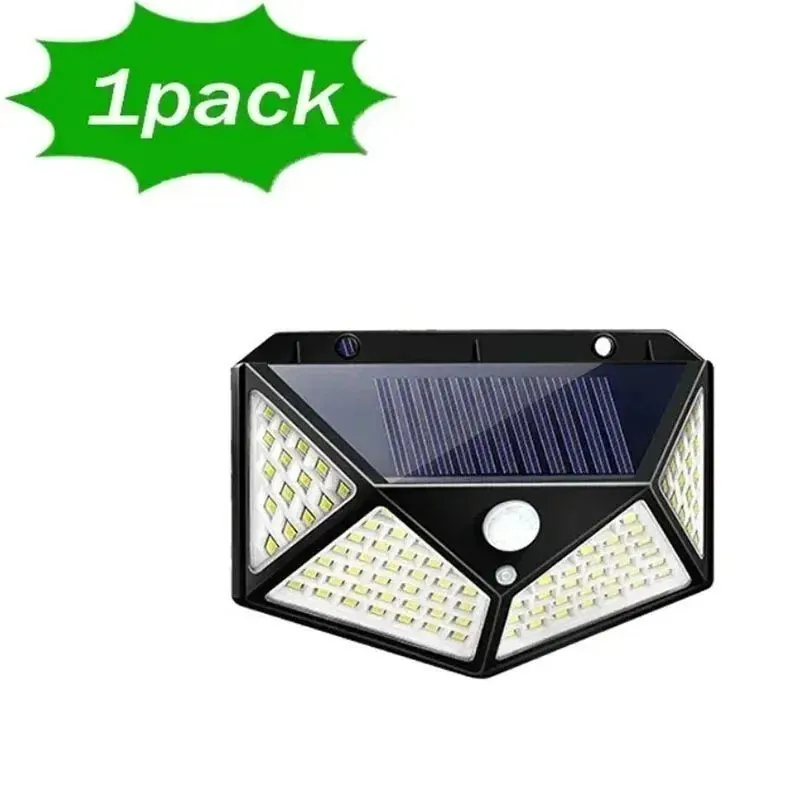
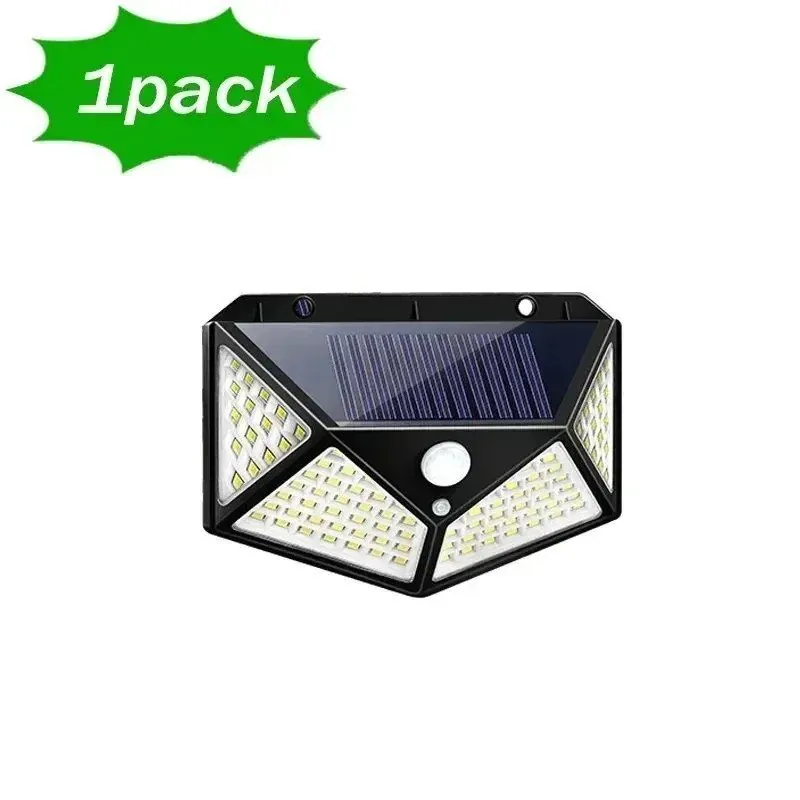
Motion-activated. The most effective option by a distance. A motion sensor light stays dark until something moves, so a small charge lasts weeks of evenings instead of one. In a dark side passage or a bin corner this is exactly right.
Warm, low-output decorative lights. A soft glow asks a fraction of what a floodlight does, and in a dark corner a small glow reads as much brighter than the same light in an open garden.
Larger panels. More area gathers more in weak light. Panel size matters more in shade than in sun.
A bigger battery, if stated. More banked charge covers a run of dull days.
A flood light with a remote is the other approach - powerful, but keep it off until wanted or it will flatten itself.
Bounce the light you have
A trick from indoor lighting that works outdoors and costs nothing.
A dark corner is usually dark because it is surrounded by dark surfaces - fence panels, brick, dense planting. Pale surfaces multiply what little light you have. A light-painted fence panel, a pale pot, or light gravel behind an ornament makes the same lamp go noticeably further.
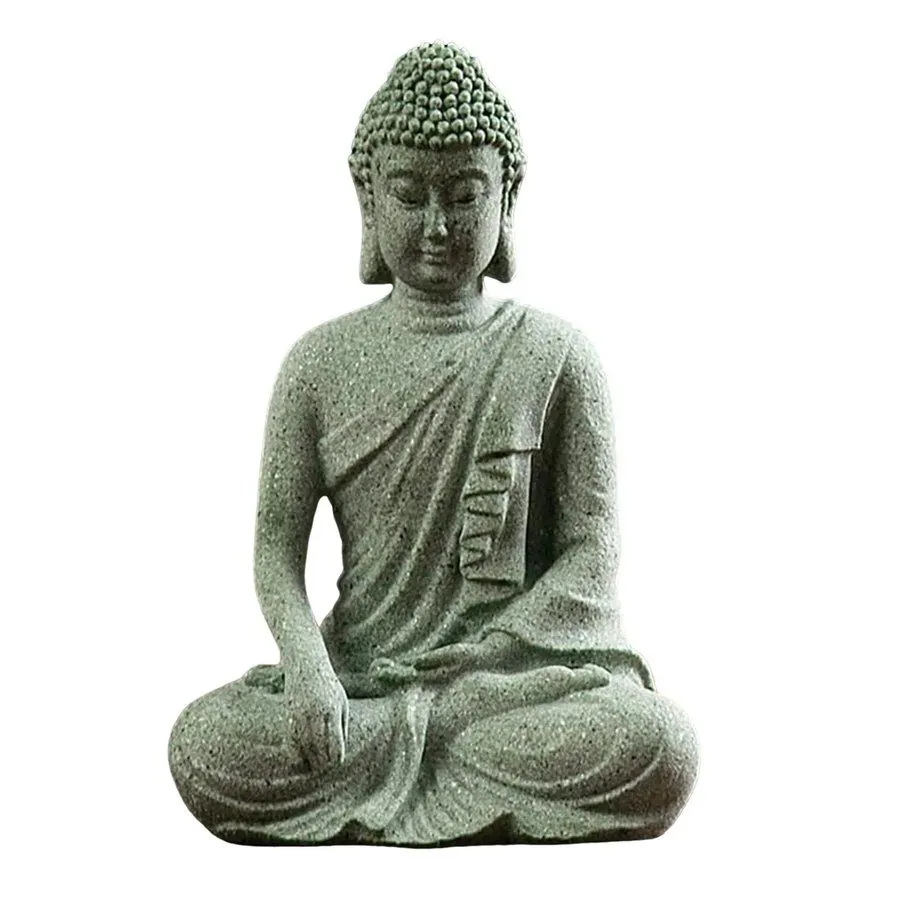
Light-coloured ornaments do this too — a pale piece in a dark corner reads at dusk when a dark one has already vanished, which is one argument for a pale statue in a shaded spot.
What to put there
Dark corners suit ornaments that do not depend on colour, because there is no colour at dusk anyway. Shape and silhouette do the work.
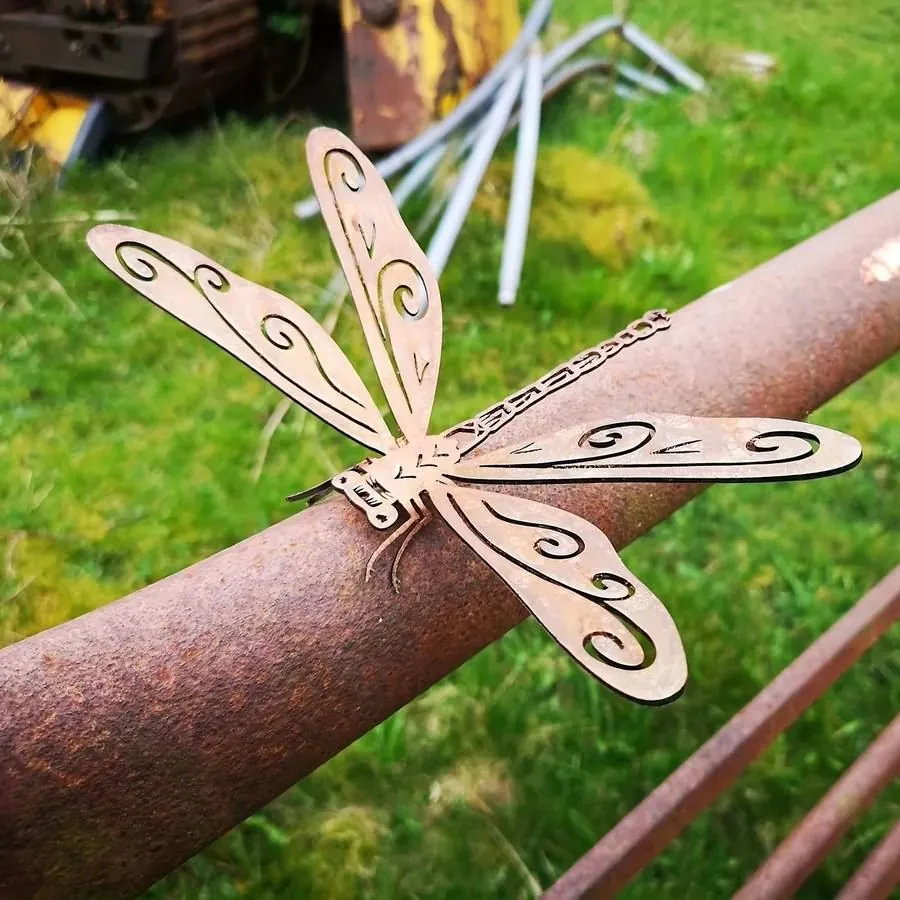
Toadstools and character pieces suit shaded damp corners naturally - the toadstool guide covers why. Hanging pieces catch light from above where ground level has none. And a lit ornament plus a pale backdrop turns a problem corner into the best thing in the garden after dark.
See the solar range and wall and hanging pieces.
When solar is the wrong answer
Worth being honest about.
If a corner genuinely gets no direct light at all - a north-facing passage between two buildings, deep under a conifer - and there is nowhere within cable reach that does, solar cannot work. No design overcomes zero input.
In that case it is mains lighting or nothing, and nothing is a perfectly reasonable choice. A well-placed pale ornament with no light at all still reads at dusk.
Keep it working
In low light there is no spare capacity, so maintenance matters more than in a sunny spot.
Clean the panel every few weeks - a film of algae in a damp shaded corner builds up faster than dust does in the open. Replace the rechargeable cell when it tires, usually after a couple of years. And angle the panel towards the south rather than flat.
Lighting the corner rather than the ornament
One more approach, and it is often better than lighting the piece itself.
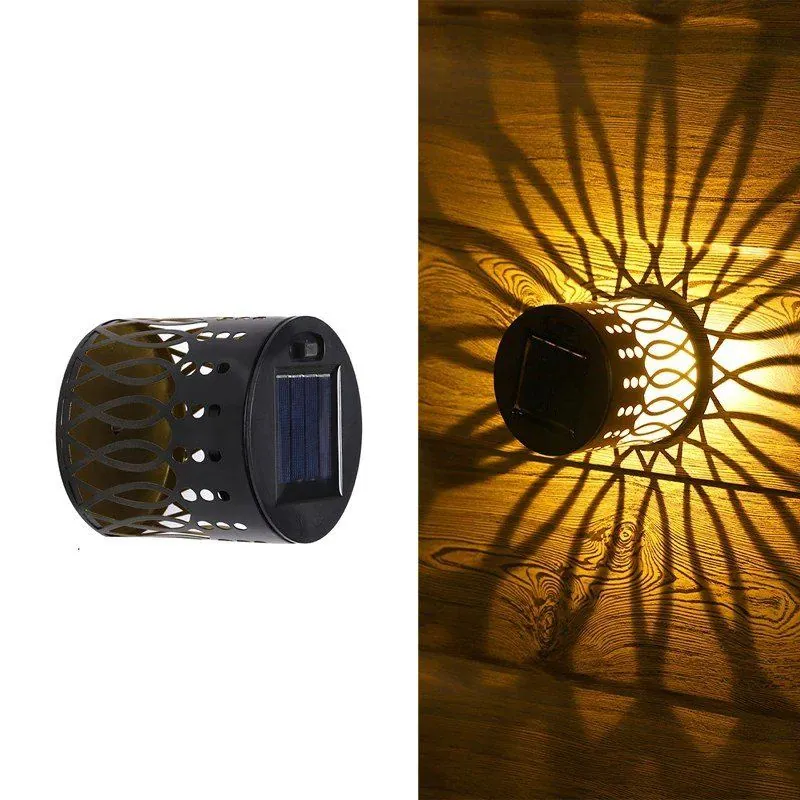
In a dark corner, a small light aimed at the wall, fence or planting behind an ornament lifts the whole area, and the ornament reads as a silhouette against it. That takes less light than illuminating an object directly, and it looks considerably less like a spotlight stuck in a border.
A low wall-mounted lamp is a neat way to do this, since it can go on the fence rather than down in the planting where it would be shaded.
Keep it warm and dim. In a dark corner a small warm glow reads as depth, while anything bright and white flattens the space and makes the corner look smaller than it is.
There is more in the winter solar guide, the solar guide and the care guide.
The short version
- A panel on a cable is the single most useful solar feature in a British garden.
- Check midday and winter shade before writing a corner off - shade moves a lot.
- Motion-activated lights turn a small charge into weeks of evenings.
- Pale surfaces and pale ornaments multiply what little light a dark corner has.
- In a corner with genuinely no direct light anywhere in cable reach, solar cannot work.
Frequently asked questions
Do solar lights work in shady corners?
Only if the panel can reach some light. The best answer is a design with the panel on a cable, so the panel sits on a sunny fence or shed roof while the ornament itself goes in the shaded corner.
What kind of solar light is best for a dark spot?
Motion-activated, by a distance. It stays dark until something moves, so a small charge covers weeks of evenings rather than a single night. Warm low-output decorative lights are the next best, since they ask far less of the battery.
How much sun does a solar panel actually need?
Less than people assume - even weak indirect daylight charges slowly, and a couple of hours at midday is enough for a small decorative light. What does not work is full shade under dense evergreen all day.
How can I make a dark corner brighter without more lights?
Use pale surfaces. Dark corners are usually dark because everything around them is dark, so a light-painted fence panel, pale gravel or a pale ornament multiplies whatever light there is, at no running cost.
When is solar not worth trying?
When a spot genuinely receives no direct light at all and there is nowhere within cable reach that does - a north-facing passage between buildings, for instance. No design overcomes zero input, so it is mains lighting or nothing.