
Quick answer: Put it where the animal actually spent time - the sunny spot they slept in, the corner they patrolled. That connection does more than any likeness. Choose something weatherproof you can see from indoors, and take as long as you need to decide.
Losing an animal is a grief people often feel they are not allowed to make a fuss about. A place in the garden is a quiet way of making a fuss about it.
Place it where they were
This matters more than what you choose.
Every animal has a spot. The paving slab that caught the afternoon sun. The corner of the lawn they patrolled. The bit of border they flattened. Under the bench where they lay while you gardened.
Putting the memorial there means it is already connected to them before you add anything. A beautiful piece in a spot they never went is just a beautiful piece.
If they were an indoor cat, or you have moved house since, choose somewhere you will see rather than somewhere symbolic. Being visible from a window is worth a great deal in the first year.
What people actually choose
There is no right answer, but a few things come up again and again.
A likeness - a cat or dog figure. The comfort is in the shape being familiar. Breed accuracy matters less than people expect; a curled sleeping cat reads as your cat whether or not the markings match.
A plaque or a named stone - simple, and it takes the weather well.
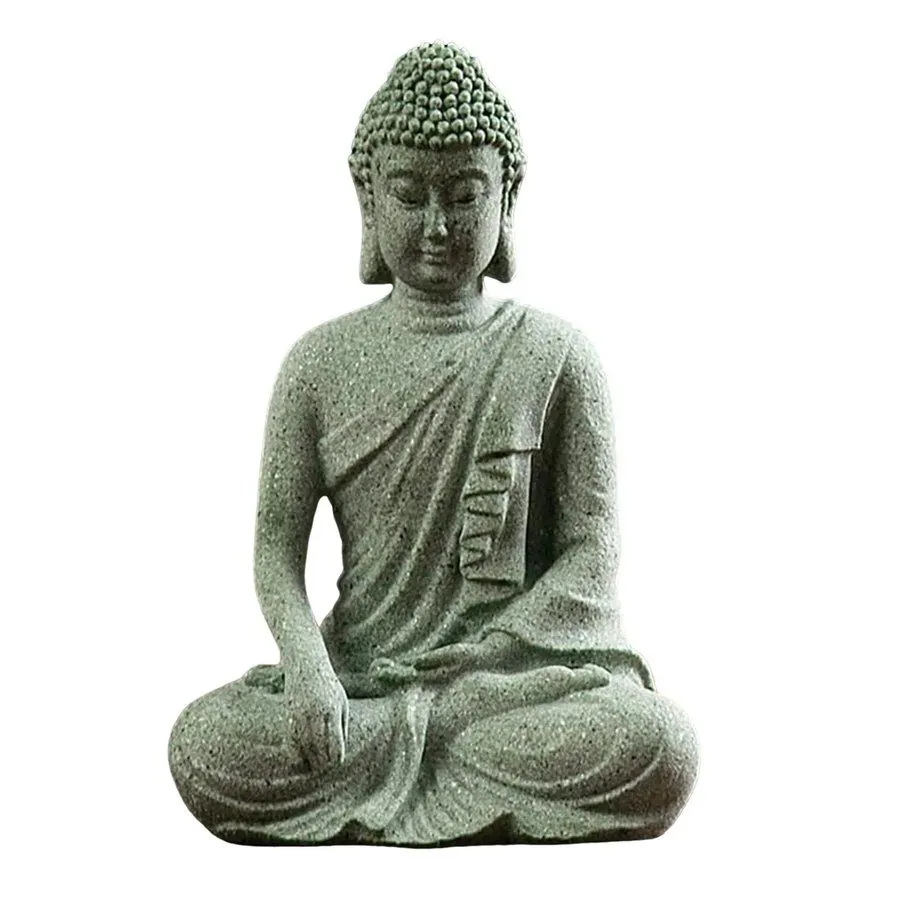
Something that is not an animal at all. A robin, a bell, a small statue, a plant. Plenty of people find an animal likeness too direct, particularly early on - the robin guide covers why that bird carries so much of this.
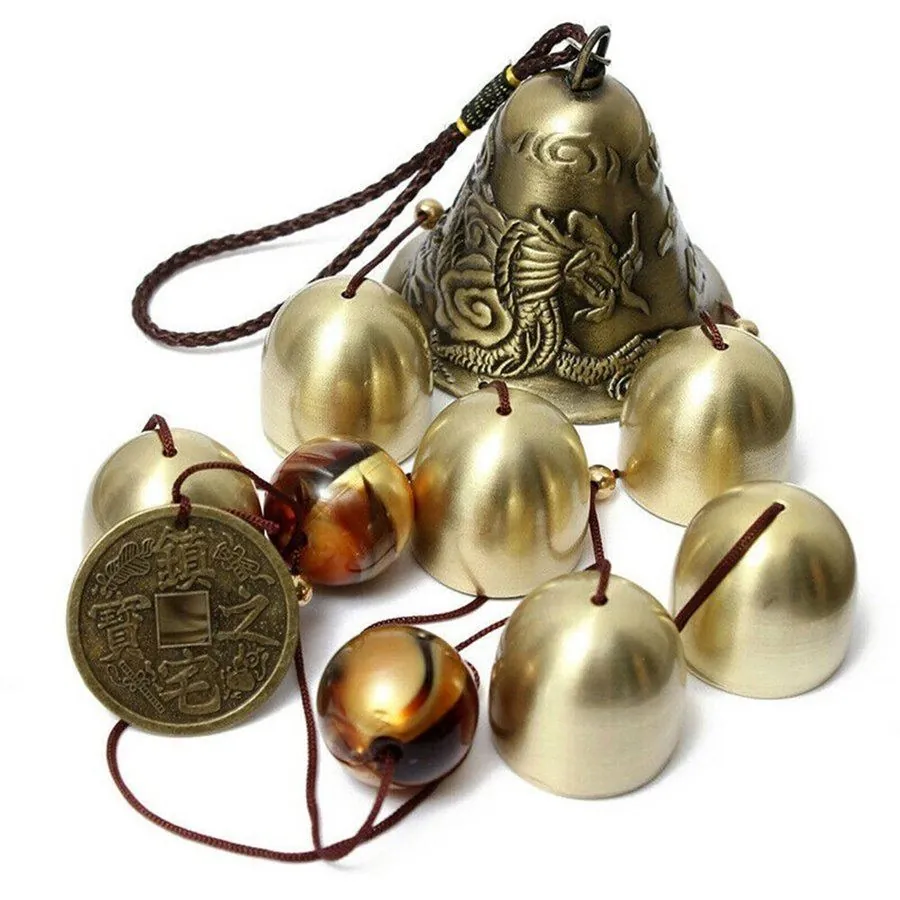
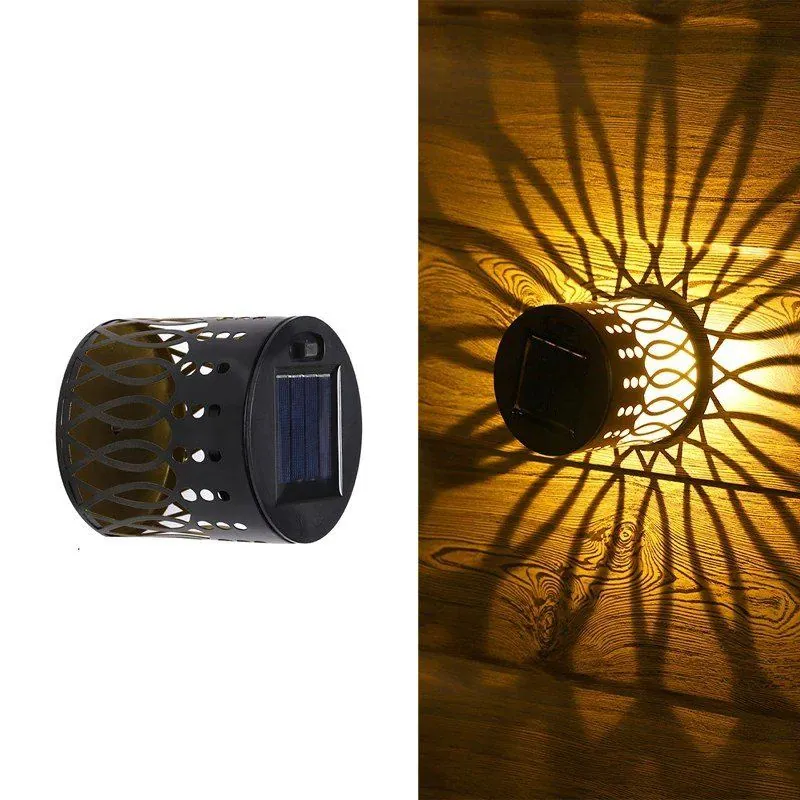
Something that moves or sounds. A wind chime gives a place a voice - a soft bell chime rather than a bright one - or a bird bath, which brings life to the spot.
See the memorial and meaningful range and the animal ornaments range.
If they are buried there
Two practical things, said plainly because they are easier to think about now than later.
Mark the spot properly, even if only for yourself — the placement guide covers making a small marker read. People forget exactly where after a few years of replanting, and that is upsetting when it happens.
And think about permanence. If there is any chance of moving house, something you can lift and take with you may matter more than something set in concrete. A potted plant with an ornament in it travels; a slab does not.
Choosing something that lasts
A memorial piece that degrades is a small recurring sadness, so this is worth a moment.
Resin holds detail well and will not frost-crack, but painted detail fades in sun - shade helps, and so does a clear sealant. The resin guide covers it.
Cast stone weathers gracefully and gains character, but it is porous, so it needs to be off the ground and out of standing water - the stone cleaning guide covers looking after it gently.
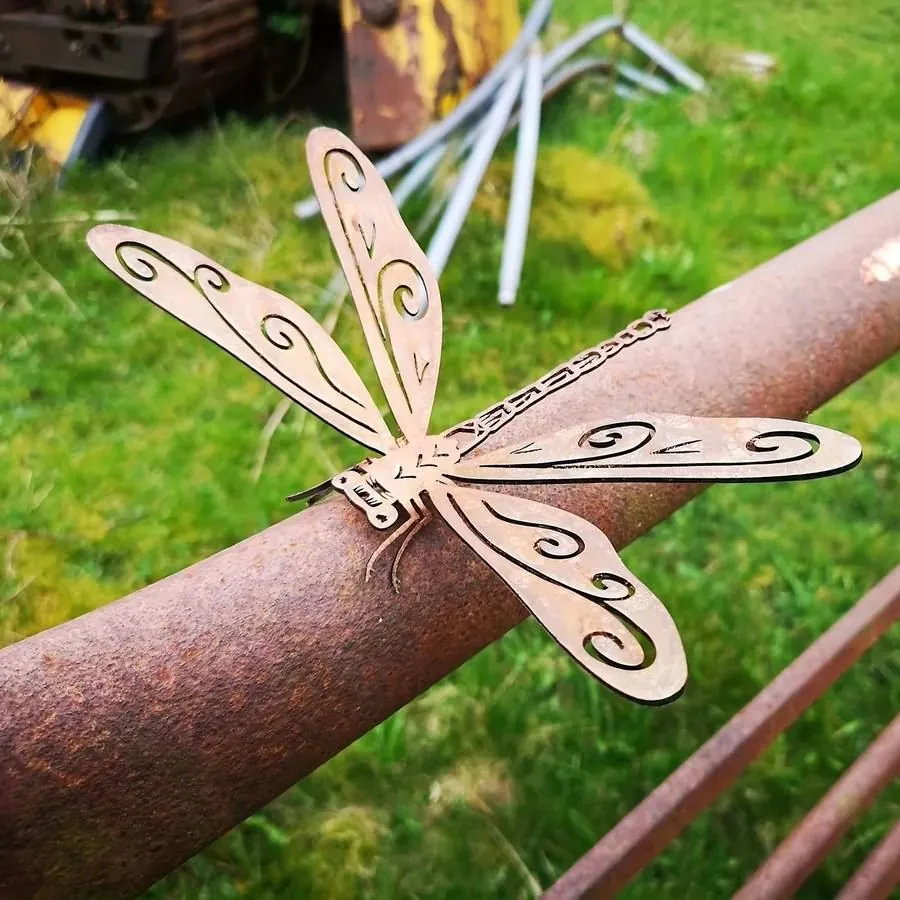
Metal lasts longest of all and does not depend on paint - the metal guide covers finishes.
Whatever you choose, put it on something solid. A memorial piece that sinks or leans over a winter is the exact thing you did not want.
Planting around it
Something that comes back on its own is the kindest choice, because it does the remembering without you having to maintain it.
Spring bulbs return every year with no effort. A scented plant - lavender, rosemary - connects through smell, which reaches memory more directly than anything visual. Something evergreen means the spot is not bare in January.
Keep it low maintenance. Grief and weeding do not go together, and the care guide covers keeping the piece itself tidy with very little effort.
Take your time
You do not have to choose anything yet.
Plenty of people put a plant in the spot first and add something months or years later, when it is clearer what they want. Some never add anything, and the plant is the memorial. Both are complete.
Telling children
A garden memorial is often as much for children as for adults, and it gives a difficult conversation somewhere to happen.
Having a place to go seems to help. It makes something abstract concrete, and it gives children a way to do something - water the plant, put a stone down, say something - rather than only being told about it.
Let them choose part of it if they want to. It will not be what you would have chosen, and that is rather the point.
Some children want to visit often for a while and then stop, and that is normal rather than a sign of anything. The place stays there either way, which is most of what it is for.
If it is a gift for someone else, err towards something quiet and unlabelled - a plant, a chime, a small stone - rather than something with a name or a date on it, unless you know they want that. The memorial guide and the memorial corner guide have more.
The short version
- Place it where the animal actually spent time - that connection outweighs any likeness.
- Breed accuracy matters far less than people expect; a familiar shape is enough.
- If they are buried there, mark it properly, and consider whether you may move house.
- Choose for durability: metal lasts longest, resin needs shade, cast stone needs lifting clear.
- Plant something that returns on its own, and take as long as you need to choose a piece.
Frequently asked questions
Where should I put a pet memorial in the garden?
Where the animal actually spent time - the sunny slab they slept on, the corner they patrolled, the spot under the bench. That connection does more than the ornament itself, and it is already there before you add anything.
Does a pet memorial ornament need to look like my pet?
Far less than people expect. A curled sleeping cat or a sitting dog reads as yours whether or not the markings match, and plenty of people prefer something that is not a likeness at all, especially in the first months.
What is the most durable pet memorial ornament?
Metal lasts longest because it does not depend on paint. Resin holds detail and will not frost-crack but fades in sun, and cast stone weathers beautifully as long as it is kept off the ground and out of standing water.
What should I plant at a pet memorial?
Something that returns on its own, so it does the remembering without maintenance. Spring bulbs come back every year, a scented plant such as lavender connects through smell, and something evergreen stops the spot being bare in winter.
Should I choose a memorial straight away?
There is no need. Many people put a plant in the spot first and add something months or years later when it is clearer what they want, and plenty never add anything at all. A plant on its own is a complete memorial.