


Quick answer: Resin and metal are the most frost-proof garden ornaments, because they do not soak up water. Dense cast stone and high-fired porcelain cope well too. Unglazed terracotta, cheap concrete and soft sandstone are the ones frost splits. Whatever the material, keep water out: raise pieces off wet ground and empty anything hollow.
Why frost cracks garden ornaments
Frost does not damage an ornament directly. Water does.
When water freezes it expands by about a tenth. If that water is sitting inside the material, it pushes outwards with real force. Do that every cold night for a winter and the surface flakes, then cracks, then a piece falls off.
So the question is never just "how cold does it get?" It is "how much water can get in?" A piece that stays dry survives a hard frost. A piece that is soaked can split in a mild one.
The worst nights are not the coldest. They are the ones that freeze and thaw, again and again. That repeated cycle is what wears porous material down.
Which materials are frost-proof, at a glance
- Resin - very good. It does not absorb water. Watch hollow pieces, which can fill up.
- Metal - very good. Frost cannot crack it, though steel and iron will rust if unsealed.
- Porcelain and stoneware - good. Fired hot, so they take up very little water.
- Dense cast stone - good, if it is well made and kept off wet soil.
- Concrete - mixed. Good concrete is fine. Cheap, crumbly concrete drinks water and spalls.
- Glazed ceramic - mixed. Fine until the glaze crazes and lets water behind it.
- Natural sandstone - fair. Beautiful, but soft and layered, so frost can lift the surface.
- Unglazed terracotta - poor, unless it is sold and guaranteed as frost-proof.
The rest of this guide goes through each one in plain terms.
Resin: the safe choice for most gardens
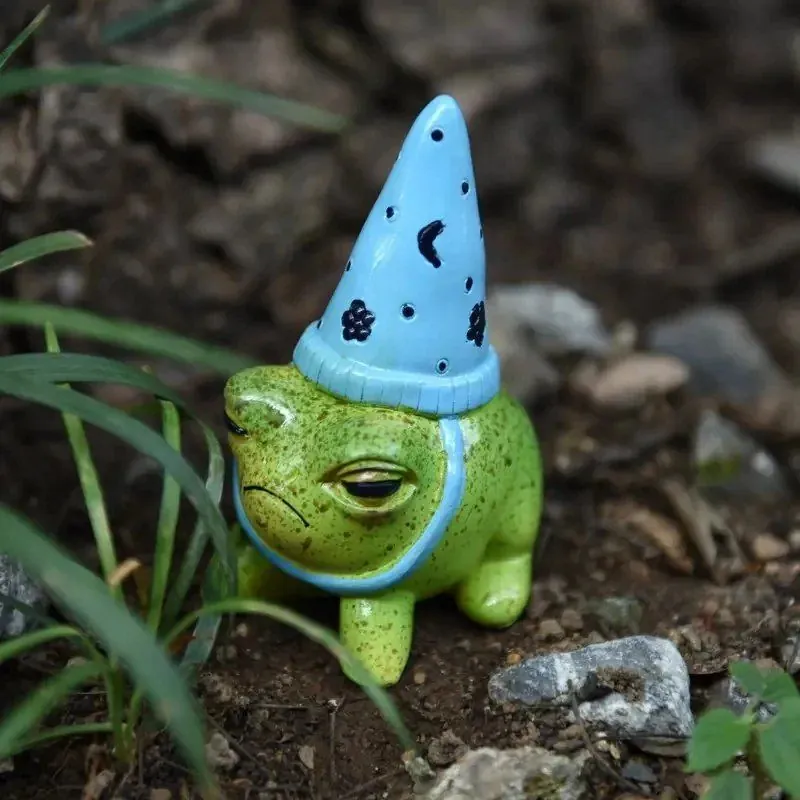
Most modern garden ornaments are cast resin, and for frost that is good news. Resin is a plastic, so water cannot soak into it.
There are two catches I see every spring.
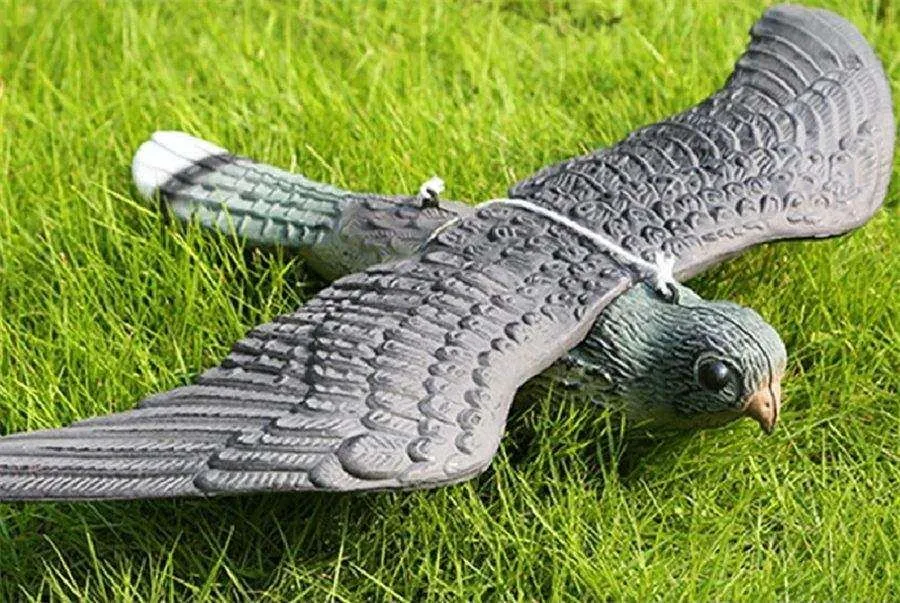
- Hollow bodies. Many resin pieces are hollow with a drainage hole underneath. If the hole blocks, rain collects inside, freezes and can split the shell. Check the hole is clear before winter.
- Brittleness in the cold. Resin gets stiffer when it is freezing. It will not crack on its own, but a knock from a spade or a falling branch does more damage in January than in July.
Paint is the other weak point. Frost does not hurt it much, but winter wet and sun can lift it at the edges. Our post on protecting resin and painted ornaments covers that. Browse our resin garden ornaments if you want the low-worry option.
Metal: frost-proof, but think about rust
Steel, iron, aluminium and copper will not crack from frost. They do not absorb water at all.
Their winter enemy is rust. Bare steel and iron rust quickly in a wet UK winter. Aluminium and powder-coated pieces hold up far better.
One exception is worth knowing. Old hollow cast iron can crack if water gets inside and freezes. Modern sheet-metal ornaments do not have that problem.
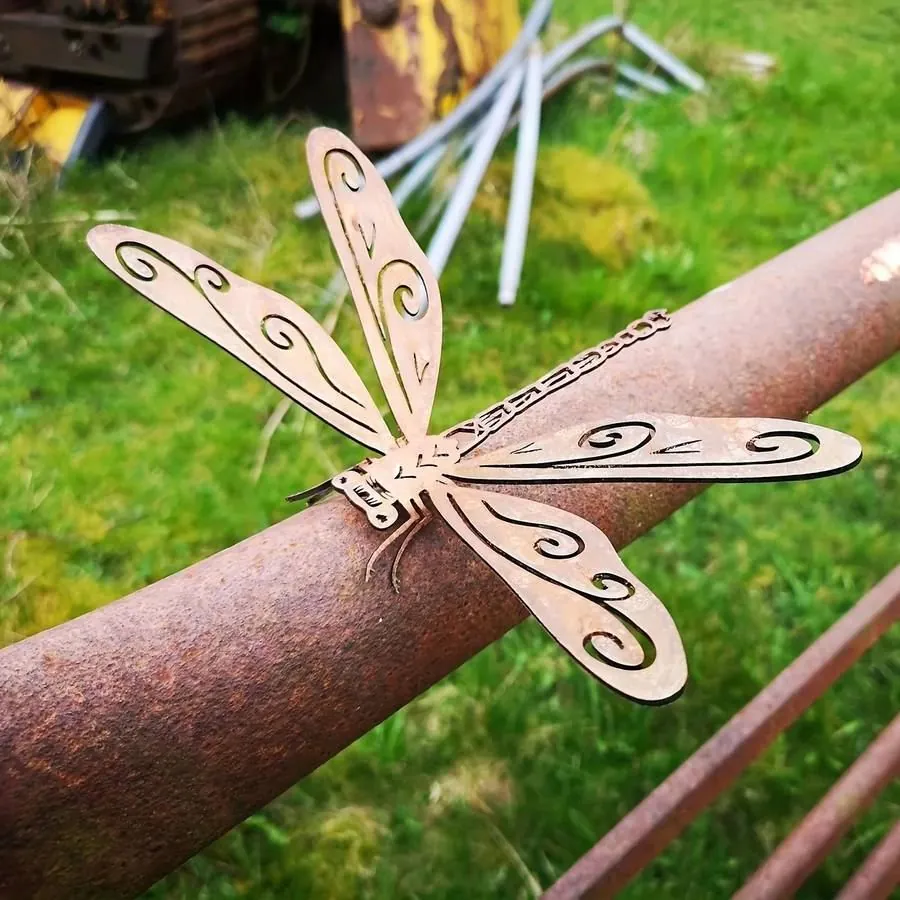
If you like the rusted look, it is a feature rather than a fault. Our metal and rusty ornaments are made to weather that way. If you would rather keep metal bright, read how to stop metal ornaments rusting.
Stone and concrete: it depends how dense it is
This is where I spent forty years, so I will be blunt. "Stone" on a label tells you very little.
- Good cast stone is made with fine aggregate and packed tight. It takes up little water and lasts for decades.
- Cheap concrete is often coarse and open. You can see the pinholes. It drinks rain like a sponge and starts to spall within a few winters.
- Natural sandstone forms in layers. Water gets between them, and frost lifts the face off in flakes.
A simple test helps. Drip a little water on an unseen spot. If it vanishes straight in, the piece is thirsty and needs protecting. If it sits on the surface for a while, you are in good shape.
Sealing helps a thirsty piece. Use a breathable masonry sealer, not paint or varnish, which trap damp behind them. Our post on concrete and cement ornaments goes into more depth, and cleaning stone ornaments explains how to prepare a surface first.
Terracotta, ceramic and porcelain
These are all fired clay, but the firing temperature changes everything.
- Unglazed terracotta is fired fairly low. It stays porous, which is why it is good for plant roots and bad in frost.
- Glazed ceramic is sealed on the surface. Once the glaze crazes into fine cracks, water gets behind it and frost pops the glaze off.
- Porcelain and stoneware are fired much hotter. They take up very little water and cope with frost far better.
If a clay piece is sold as frost-proof, ask what is behind the claim. A real guarantee is worth having. Without one, bring terracotta under cover or at least raise it off the ground for winter.
Frost-proof or frost-resistant?
The two terms sound alike but do not promise the same thing.
- Frost-proof usually means the maker has tested the material through repeated freezing and thawing and expects it to survive outdoors.
- Frost-resistant usually means it will cope with the odd light frost, not a long hard winter.
Neither is a fixed legal standard for garden ornaments, so the words vary between sellers. Ask what testing or guarantee sits behind them. If nobody can say, treat the piece as frost-resistant at best.
Solar lights in frost
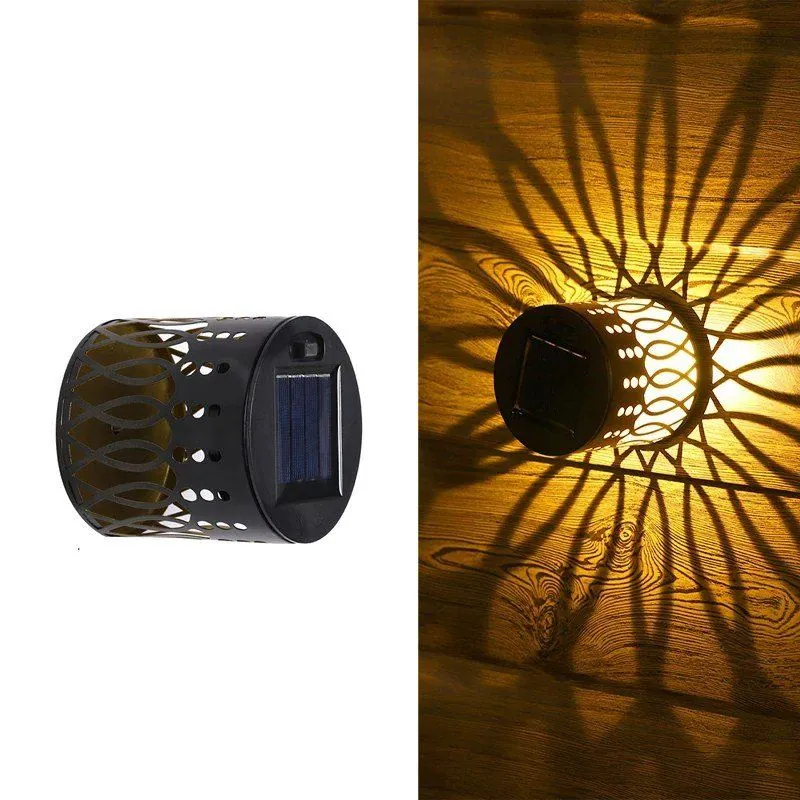
Solar ornaments add electronics to the question, but they are designed to live outside.
Cold does not damage a sealed outdoor light. It does reduce what the battery can hold, so you get fewer hours of light on frosty nights. Short winter days do the same. Both are normal.
Check the rating if you are unsure. A light marked IP44 or higher is protected against rain. If water ever shows inside the lens, dry it out indoors before the next freeze. Our post on how solar ornaments work in UK winters covers charging, and our solar garden ornaments are all made for outdoor use.
How to protect the ornaments you already have
You do not need to replace anything. Most frost damage is preventable with a few cheap habits.
- Lift it off wet ground. Pot feet, a slate or a couple of bricks stop a piece standing in water all winter.
- Empty anything that holds water. Bird baths, fountain bowls and hollow figures should be dry before a hard freeze.
- Clear drainage holes. A blocked hole is the most common reason a resin piece splits.
- Move the vulnerable ones. Against a house wall, under an overhang, is noticeably warmer and drier.
- Cover with fleece, not plastic. Plastic traps condensation against the surface, which then freezes.
- Bring in what you cannot protect. A dry shed or garage is enough. It does not need heating.
Water features need their own plan. Drain the pump and bring it in, or leave it running only if it is rated for winter use. See our water features for pieces that are simple to drain.
For a month-by-month plan, read overwintering garden ornaments in the UK.
If frost has already done damage
Do not panic at the first crack. Fine surface crazing is usually cosmetic. A crack you can fit a fingernail into needs attention before the next freeze, or water will get in and widen it.
Dry the piece out first, then fill or bond it. Our guide to repairing cracked and broken garden ornaments walks through the materials and the methods.
Where frost bites hardest in the UK
Not every garden gets the same winter.
- High ground - the Pennines, the Peak District and the Scottish Highlands see far more freeze-thaw nights.
- Frost hollows - low-lying gardens in valleys collect cold air on still nights, even in the south.
- Inland gardens freeze more often than coastal ones, where the sea keeps nights milder.
- Exposed gardens add wind to the mix, which strips heat from a wet surface quickly.
If you are in one of those spots, lean towards resin, metal and porcelain, and be strict about drainage. Our delivery areas pages cover local weather in more detail.
Browse resin ornaments, metal ornaments and garden statues, or read our guides to choosing by material and caring for garden ornaments.
Common questions
Are resin garden ornaments frost proof?
Yes, resin is one of the most frost-proof materials because it does not absorb water. The risk is water trapped inside a hollow piece through a blocked drainage hole, which can freeze and split the shell. Keep the hole clear and the ornament can stay outside all winter.
Can concrete statues be left out in winter?
Dense, well-made concrete and cast stone can stay out all winter. Cheaper, open-textured concrete soaks up rain and can flake in repeated frosts. Raise the statue off wet ground, keep water from pooling on it, and seal a thirsty piece with a breathable masonry sealer.
Is ceramic frost proof?
Not reliably. Glazed ceramic is fine while the glaze is intact, but once it crazes, water gets behind it and frost lifts the glaze off. Unglazed ceramic and terracotta are porous. Bring them under cover, or choose porcelain, stoneware or resin for pieces that stay out.
Is porcelain frost proof?
Porcelain copes with frost well because it is fired at a high temperature and absorbs very little water. A crack or chip can still let water in, so check pieces before winter and keep them off standing water.
What is the difference between frost proof and frost resistant?
Frost-proof usually means the material has been tested through repeated freezing and thawing and should survive outdoors. Frost-resistant usually means it copes with occasional light frost only. Neither is a fixed legal standard for ornaments, so ask what testing or guarantee is behind the claim.
How do you protect stone garden ornaments from frost?
Keep water out of the stone. Lift it onto pot feet or a slate, clear any pooling water, cover with breathable fleece rather than plastic, and seal porous stone with a breathable masonry sealer. Move small pieces against a house wall or into a dry shed in a hard winter.
Are terracotta ornaments frost proof?
Usually not, unless they are specifically sold and guaranteed as frost-proof. Ordinary terracotta is fired at a low temperature and stays porous, so it takes up water and frost can crack or flake it. Bring it in, or at least raise it off the ground for winter.