


Quick answer: Cold alone breaks very little. Damage happens when water sits in or on a piece and then freezes, so the autumn jobs that matter are lifting things off wet ground, emptying anything that holds water, and clearing debris from crevices.
People worry about frost and take the wrong precautions. Cold on its own does almost nothing. Water plus cold does all the damage.
The mechanism, briefly
Water expands as it freezes. If it has soaked into a porous material, or collected in a hollow, that expansion has nowhere to go and it pushes outwards.
In porous cast stone or concrete, that lifts flakes off the surface - spalling. In a bowl or a cupped detail, it cracks the piece apart. In a joint or a crevice, it works things loose over several cycles.
So the whole job is keeping water out of and off your ornaments, not keeping them warm.
The three autumn jobs
1. Lift things off wet ground. Anything porous standing directly on soil or paving wicks water up continuously. A slab, some gravel, feet or a couple of tiles underneath fixes it, and it is the single most effective thing you can do.
2. Empty anything that holds water. Bird baths, bowls, upturned hands, folded wings, hollow bases. These are where cracks start. Tip them, or cover them so rain cannot fill them.
3. Clear debris out of crevices. Leaves packed into a fold hold water against the surface for months. Brush them out dry in autumn.
Those three take twenty minutes and prevent most winter losses.
What to bring in
A short list, and being selective is better than hauling everything into a shed.
- Ceramic and terracotta pieces. Genuinely at risk. Older glazed and unglazed ceramic is the most likely thing in a garden to be destroyed by a freeze.
- Shallow bowls and bird baths that cannot be emptied or covered.
- Small, finely detailed painted pieces - not for frost, but because fine paint suffers and small items get lost under leaves and snow.
- Anything already cracked. An existing crack is a route for water and will open further over one winter.
What can stay out
Most things, given the three jobs above.
Cast stone and concrete, if lifted clear and free-draining - the concrete guide covers spalling.
Resin, which is non-porous, so frost is not its problem at all. Its enemy is summer UV, not winter - the resin guide covers that.
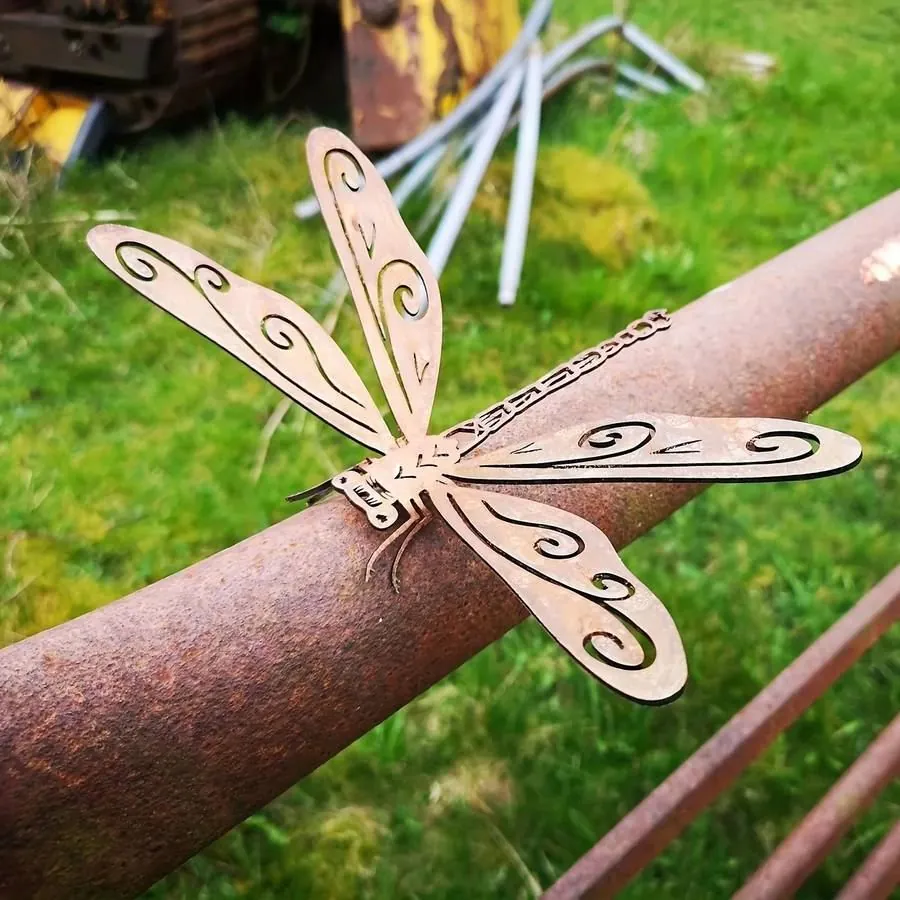
Metal, provided it is not standing in water. Weathering steel is entirely unbothered - the weathering steel guide - and coated steel needs its chips touched up before winter rather than after.
Wood, if it is off the ground. Damp ground contact is what rots timber, not frost - the wood guide covers it.
Covering: do it properly or not at all
The common mistake is wrapping a piece in plastic sheeting.
Plastic traps moisture against the surface and stops it evaporating, which produces exactly the saturated condition you were trying to avoid. It is usually worse than no cover.
If you cover something, use hessian, fleece or a breathable cover, and leave the base open so air moves and water drains. Better still, cover only the top so rain cannot land in a hollow, and leave the rest exposed.
Do not clean in autumn
Counter-intuitive and worth knowing.
Scrubbing a porous piece opens up the surface, so it goes into winter more absorbent than it was. Cleaning is a spring job - the stone cleaning guide covers the method and the timing.
The one autumn exception is brushing dry debris out of crevices, which does not involve water.
Solar pieces in winter
A separate set of concerns.
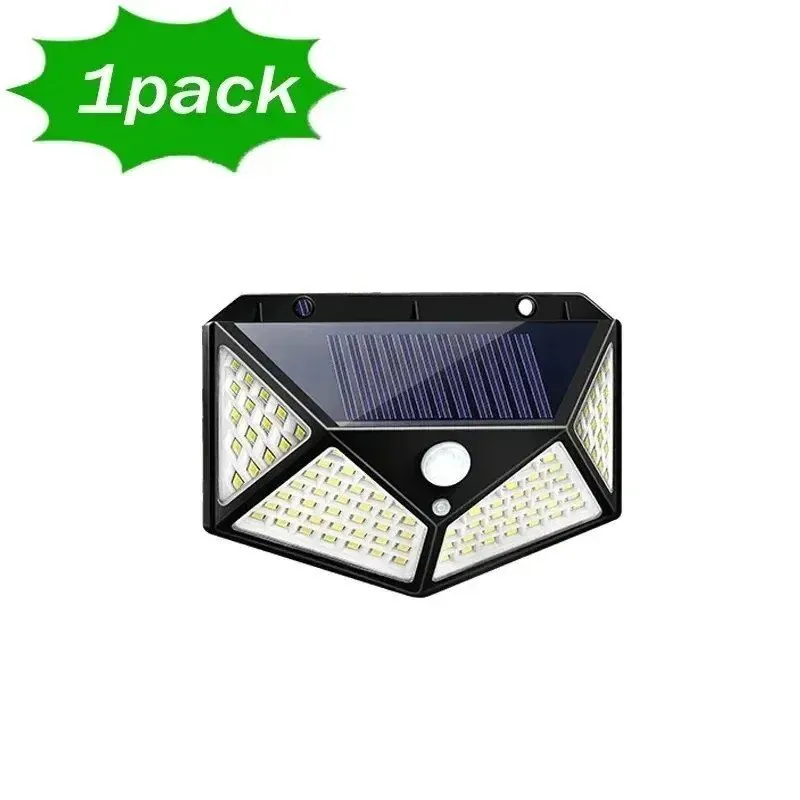
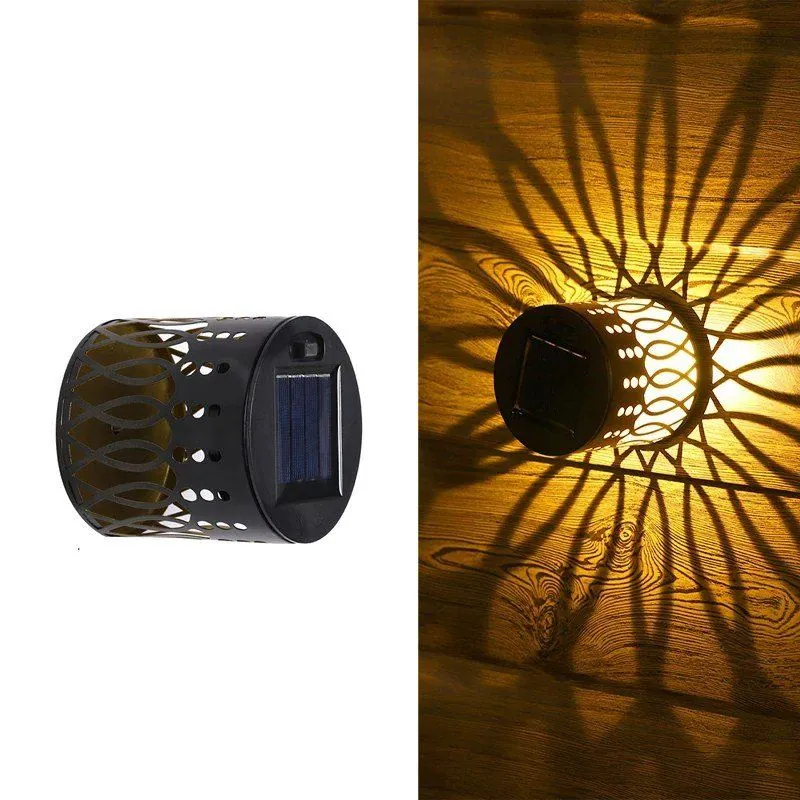
Most are fine outside, but check the rating - resistant to rain is not the same as sitting in a frozen puddle, and the base is where water gets into the electronics.
If a light is going unused for months, switch it off. Repeatedly cycling a battery flat over winter shortens its life more than the cold does. And clear snow off panels, since an hour of December sun through snow is worth nothing.
The winter solar guide covers what to expect from them.
The upside of winter
Worth remembering while you are doing all this: winter is when ornaments matter most.
With the borders cut back and the planting gone, an ornament is often the only thing in the garden with any shape at all. That is when a piece earns its keep, so leaving out everything that can safely stay out is the right instinct.
Storing what you bring in
A shed is not automatically safe, and pieces get damaged in storage more often than people admit.
Bring things in dry, or you are sealing damp into an unventilated space. Stand them on a shelf or a board rather than a cold concrete floor, which stays damp all winter and wicks straight back into anything porous.
Wrap painted pieces separately so they cannot rub against each other, and do not stack anything. Most breakages happen in a shed in February rather than in a garden in December.
And label anything you cannot identify at a glance, or you will find it next October and not remember which corner it came from.
The February check that catches everything
One short walk round the garden in late February is the most useful thing in the whole winter routine, and nobody does it.
The reason is that frost damage does not announce itself. A piece that took on water in November and froze in January looks exactly the same in December and quite different by March.
Four things to look at. Run a hand over any cast surface for grittiness that was not there in autumn. Press a thumbnail into any painted edge that looks lifted. Check whether anything has tipped as the ground softened. And look at the base of every piece for a damp dark line.
Grittiness means the surface is spalling and the piece wants moving somewhere drier before next winter. A tipped piece wants re-bedding while the ground is still soft enough to work.
Catch those in February and you have a whole season to put them right. Find them in November and you are storing a problem for another winter.
Browse statues and sculptures, metal ornaments and water features, with more in the care guide.
The short version
- Cold alone breaks very little - it is water freezing inside or on a piece that does damage.
- The three autumn jobs: lift things clear of wet ground, empty hollows, clear crevices.
- Bring in ceramic, shallow bowls, finely painted small pieces and anything already cracked.
- Never wrap a piece in plastic - it traps moisture and makes the problem worse.
- Do not clean porous pieces in autumn; scrubbing sends them into winter more absorbent.
Frequently asked questions
Do I need to bring garden ornaments in for winter?
Most can stay out. Bring in ceramic and terracotta, shallow bowls that cannot be emptied, small finely painted pieces, and anything already cracked, since an existing crack lets water in and will open further.
What actually causes frost damage to ornaments?
Water rather than cold. Water that has soaked into porous material or collected in a hollow expands as it freezes, lifting flakes off the surface or cracking the piece apart. Cold on its own does almost nothing.
Should I cover ornaments in winter?
Only with something breathable such as hessian or fleece, and leave the base open. Plastic sheeting traps moisture against the surface and stops it evaporating, which produces exactly the saturated condition you were avoiding.
Should I clean ornaments before winter?
No. Scrubbing a porous piece opens up the surface so it goes into winter more absorbent than it was. Cleaning is a spring job. The one autumn exception is brushing dry debris out of crevices, which uses no water.
Can solar lights stay out over winter?
Usually, but check the rating, since resistance to rain is not the same as standing in a frozen puddle. Switch off anything going unused for months, because repeatedly cycling a battery flat shortens its life more than cold does.