

Quick answer: The best solar animals are the ones where light belongs to the creature - fireflies, bees, butterflies with translucent wings. Look for a separate or angled panel, a warm low output, and a design that still reads as an ornament by daylight.
Solar animals are the most-bought solar ornaments and the most variable in quality. The good ones are lovely. The bad ones are a plastic butterfly with a blue LED in it.
The shapes that suit light
Some creatures make sense lit and some do not, and this is most of what separates a good piece from a gimmick.
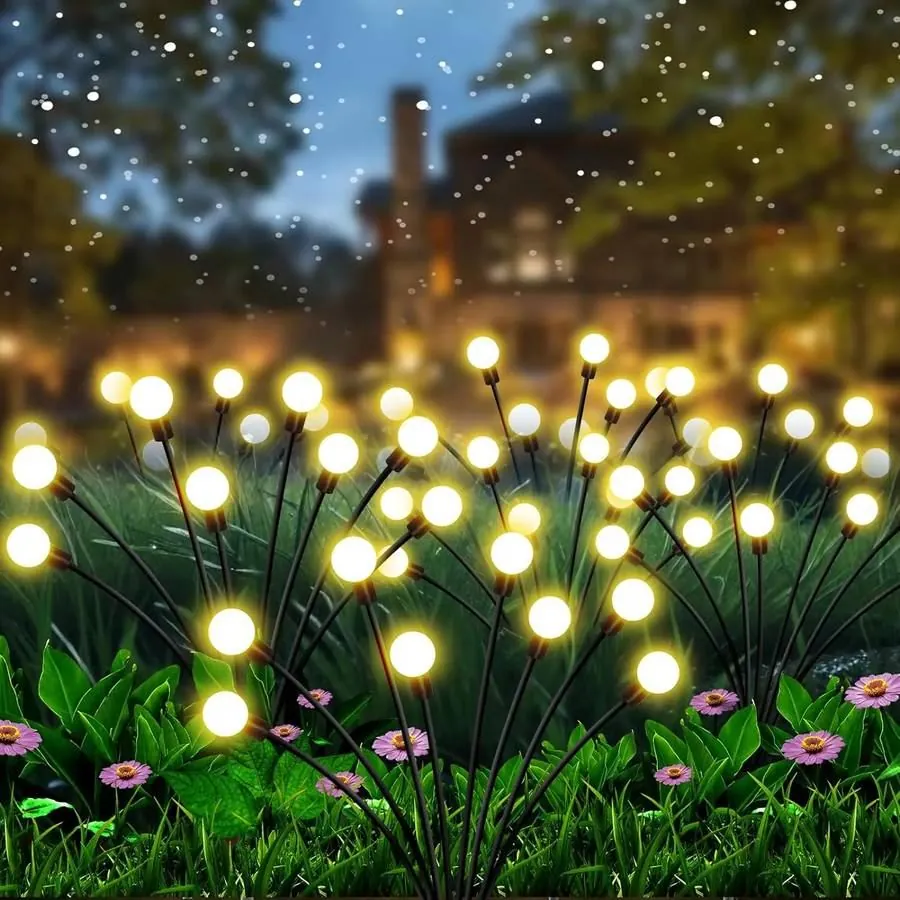
Fireflies and glow-worms. The obvious one. A light that flickers low in planting is doing exactly what the real thing does, and stake versions among grasses are convincing at dusk.
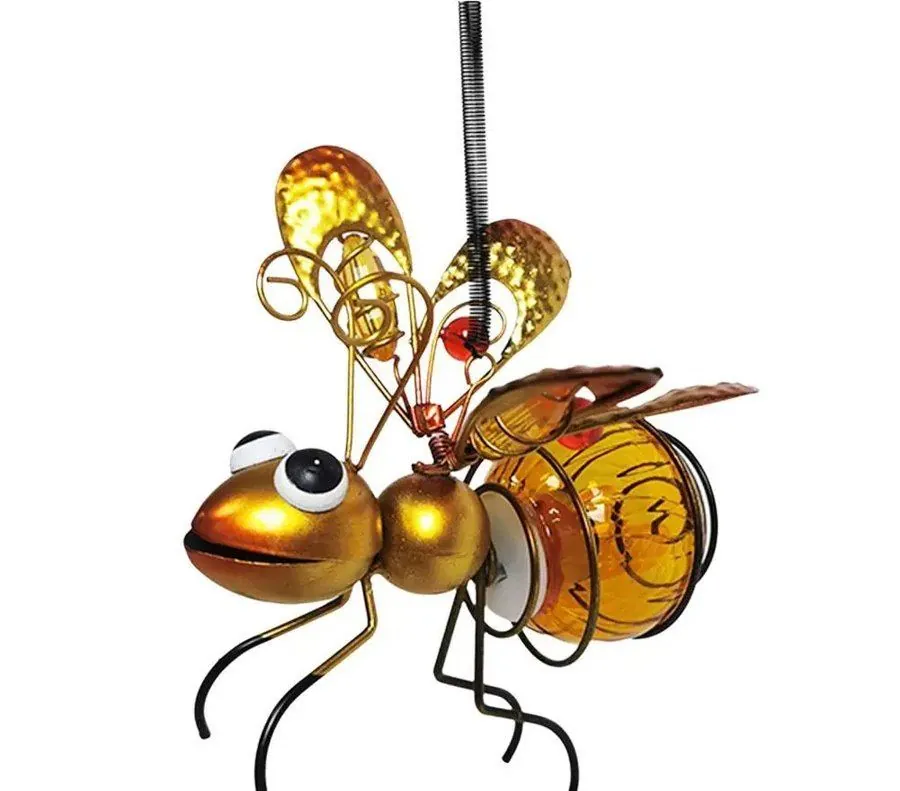
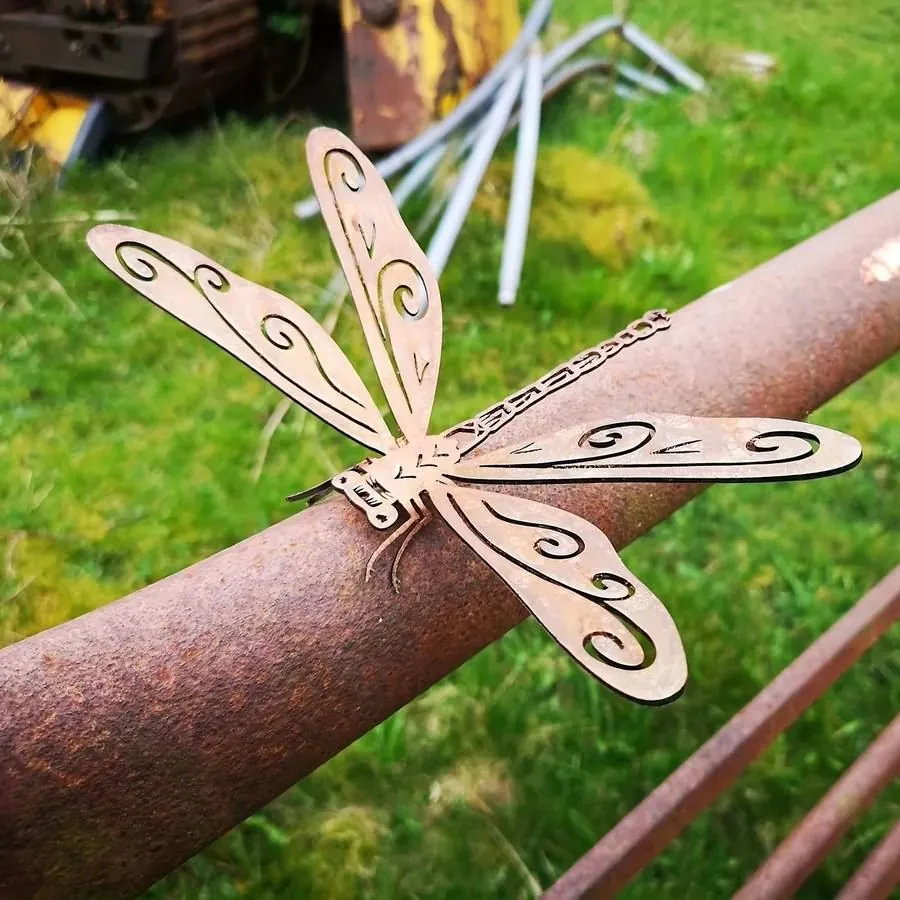
Bees, dragonflies and butterflies. Insects with translucent wings light beautifully, because the light comes through the wing rather than out of a hole in the body. A hanging bee reads well by day and glows by night.
Birds. Harder. A glowing bird is not something anyone has seen, so it works only when the light is indirect - underneath, or in a lantern the bird is sitting on.
Mammals. Hardest of all. A glowing hedgehog is a novelty rather than an ornament, which is fine as long as that is what you wanted.
It has to work by daylight too
The test people forget. A solar ornament is unlit for most of the hours you see it.
So look at the daytime photograph as carefully as the night one. Many solar animals are shaped around a lamp rather than around a creature, and by day they are visibly a light fitting with wings attached.
The better ones are ornaments first and lights second. If you would put it in the garden with the light broken, it is a good design.
Panel placement is the whole game
Small decorative pieces usually carry a tiny panel, and a tiny panel in a British garden is working with very little.
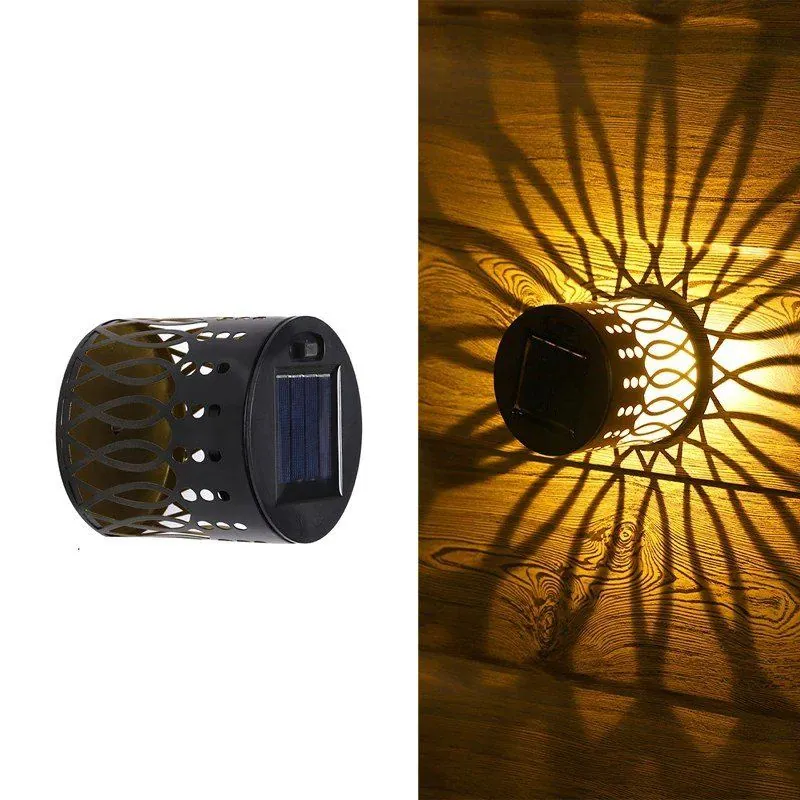
Prefer designs where the panel is separate on a cable, so it can sit in sun while the ornament sits in planting. Failing that, look for a panel you can angle towards the south rather than one lying flat.
Then place accordingly. Check where midday sun actually falls, and check again in winter when low sun casts far longer shadows - the winter solar guide covers what to expect, and the dark corners guide covers the separate-panel trick.
Warm light, always
The single quickest way to tell a considered piece from a cheap one.
Cool white and blue LEDs are cheaper and brighter, and they make anything organic look synthetic. Warm white or amber reads as candlelight, firefly or lamplight, all of which belong in a garden after dark.
Colour-changing lights are their own category. They suit parties and children's areas and they undermine any attempt at naturalism, so decide which you are doing.
Placing them so they read
Insects belong in planting, not on a bare surface. A bee or dragonfly among grasses looks like it landed; the same piece on gravel looks placed.
Hanging pieces want a branch, a hook or a fence at roughly eye level, where they catch light and move a little - the hanging ornaments guide covers fixings.
Stake lights want groups. Three or five at different heights among planting read as a scatter of insects; a single one in the middle of a lawn reads as a garden light.
And keep them away from where you actually need to see - these are atmosphere rather than illumination. For real light on a path, a motion sensor light does the job properly.
What to check before buying
- Is the panel separate or angled? The most useful specification there is.
- Is the light warm? Cool white cheapens almost everything.
- Does it look right unlit? That is most of the time.
- Is the battery replaceable? It will need replacing after a couple of years, and a sealed unit becomes disposable.
- Is it rated for outdoors properly? Rain resistance is not the same as standing in a puddle.
Keeping them going
Wipe the panel every few weeks. On a small panel a film of dust or algae is a large proportion of the surface, and there is no spare capacity to lose.
Switch pieces off if they are going unused over winter, since repeatedly cycling a battery flat shortens its life more than cold does. And bring the most delicate ones in - fine painted wings suffer more than the electronics do.
Where they suit children
Solar insects are one of the few ornaments that genuinely change a garden for a child.
A path lined with low firefly lights, or a bee that appears at dusk, gives a small child a reason to go out at bedtime in summer - which is a better argument for buying one than any styling point.
Keep them off the walking line so they do not get trodden, use warm light rather than colour-changing if you want it to feel magical rather than like a disco, and accept that stake lights in a lawn will meet a mower eventually.
Browse solar ornaments, animal ornaments and wall and hanging pieces, with more in the solar guide.
The short version
- Fireflies, bees and translucent-winged insects are the shapes that genuinely suit lighting.
- Judge the daytime photograph too - it is unlit for most of the hours you see it.
- A separate or angled panel is the most useful specification on a small solar piece.
- Warm or amber light reads as natural; cool white makes anything organic look synthetic.
- Group stake lights in threes among planting - one alone reads as a garden light.
Frequently asked questions
Which solar animal ornaments work best?
Ones where light belongs to the creature: fireflies, glow-worms, and insects with translucent wings such as bees, dragonflies and butterflies, where the light comes through the wing rather than out of the body.
How do I judge a solar ornament before buying?
Look at the daytime photograph as closely as the night one, since it is unlit for most of the hours you see it. Cheap pieces are shaped around a lamp and read as a light fitting with wings attached by day.
Does the colour of a solar light matter?
A great deal. Warm white or amber reads as candlelight or firefly and suits anything organic, while cool white and blue LEDs are cheaper and brighter but make natural shapes look synthetic straight away.
Where should I put solar insect ornaments?
In planting rather than on a bare surface, so they look as though they landed. Group stake lights in threes or fives at different heights among grasses, since a single one in the middle of a lawn reads as a garden light.
What should I check before buying a solar animal?
Whether the panel is separate or can be angled, whether the light is warm, whether it looks right unlit, whether the battery can be replaced, and whether the outdoor rating covers standing water rather than just rain.